
 |
|
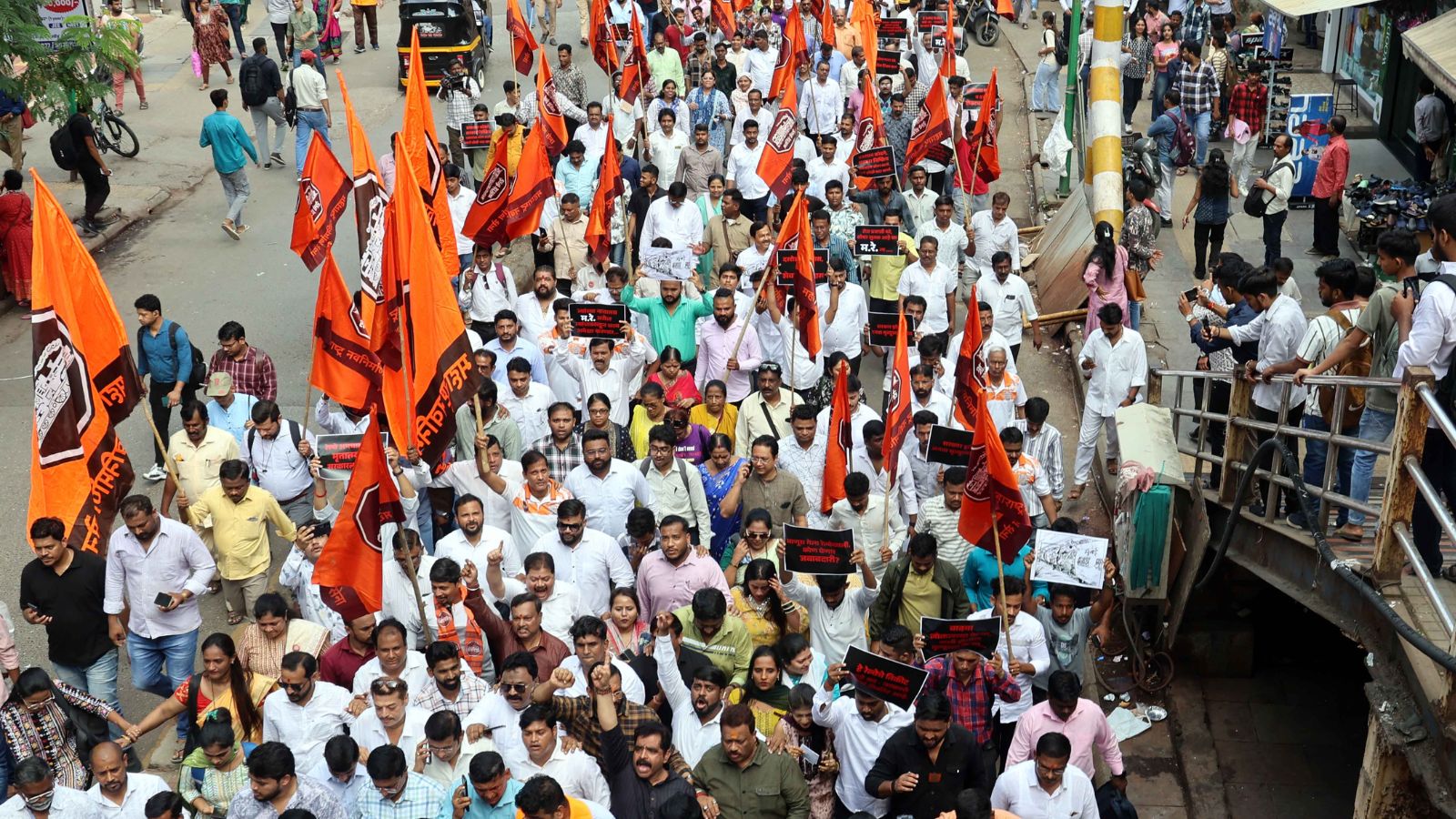
The recent train accident near Mumbra, which resulted in four fatalities and numerous injuries, serves as a stark reminder of the persistent dangers plaguing Mumbai's suburban railway network. The incident, triggered by overcrowding and the narrow gap between passing trains, underscores the urgent need for systemic changes to prioritize commuter safety. The accident occurred on Monday morning near Mumbra railway station when two overcrowded local trains passed each other in opposite directions. Passengers hanging on the footboards reportedly lost their balance after their bags brushed against each other due to the narrow gap between the trains. This detail highlights the dire circumstances faced by commuters who are forced to travel in extremely cramped conditions. The sheer volume of passengers, far exceeding the capacity of the trains, creates a hazardous environment where even a minor jostle can have catastrophic consequences. The fact that passengers were hanging on the footboards, a practice born out of necessity due to the lack of space inside the coaches, further amplifies the risk. The accident has reignited a long-standing debate about the inadequacy of the existing infrastructure to cope with the ever-increasing number of commuters. Mumbai's suburban railway network, often referred to as the lifeline of the city, is struggling to meet the demands of a rapidly growing population. The trains are consistently overcrowded, particularly during peak hours, forcing passengers to endure perilous journeys. The lack of adequate space not only compromises their safety but also affects their overall quality of life. The Mumbra accident is not an isolated incident; it is a symptom of a deeper malaise that needs to be addressed with urgency and resolve. The response to the accident has been swift, with authorities initiating investigations and political parties staging protests. However, these reactions, while necessary, are merely reactive measures. What is required is a proactive and comprehensive approach that tackles the root causes of the problem. This includes investing in infrastructure upgrades, increasing the frequency of trains, and improving crowd management strategies. The injured commuters are currently receiving medical treatment at various hospitals in the city. The condition of two patients remains critical, while several others have undergone surgery. The medical professionals are working tirelessly to provide the best possible care to the victims, but the long-term impact of the accident on their lives and well-being cannot be ignored. The accident has also raised concerns about the mental health of the survivors and the families of the deceased. The trauma of witnessing such a horrific event can have lasting psychological effects, and it is essential to provide them with adequate counseling and support. The Maharashtra Navnirman Sena (MNS) has staged a protest march to demand improved railway safety. The party has accused the railway authorities of failing to provide basic facilities and ensuring the safety of commuters. The MNS has threatened to intensify its agitation if the authorities fail to take concrete steps to address the issue of overcrowding and improve safety measures. The political pressure is likely to mount on the government to take immediate action to prevent similar accidents from occurring in the future. The Central Railway has stated that it is investigating the cause of the accident in detail. Preliminary reports suggest that the accident was due to a collision between hanging passengers of the two trains. However, a thorough investigation is necessary to determine the exact sequence of events and identify any systemic failures that may have contributed to the accident. The investigation should also focus on the role of human error, if any, and recommend measures to prevent such errors from recurring. The Mumbra train accident serves as a wake-up call for the authorities and the public alike. It is a reminder that commuter safety should be the top priority and that no effort should be spared to ensure that the lives of millions of people who rely on the suburban railway network are protected. The government must allocate sufficient resources to upgrade the infrastructure, increase the frequency of trains, and improve crowd management strategies. It is also essential to educate commuters about safety precautions and encourage them to report any unsafe conditions. Only through a concerted effort by all stakeholders can we prevent such tragedies from happening again.
One of the key challenges in addressing the problem of overcrowding on Mumbai's suburban railway network is the limited availability of land. The city is densely populated, and there is little space to expand the existing infrastructure. However, innovative solutions can be explored to overcome this constraint. For example, the railway authorities could consider building elevated or underground railway lines to increase capacity without acquiring additional land. They could also explore the possibility of introducing double-decker trains, which can carry more passengers without requiring additional track space. Another important aspect of addressing overcrowding is to improve the efficiency of the existing railway network. This can be achieved by optimizing train schedules, reducing delays, and improving signaling systems. The railway authorities should also invest in technology to monitor passenger flow and manage crowds more effectively. For example, they could use sensors to track the number of passengers entering and exiting stations and adjust train schedules accordingly. They could also use video surveillance to identify and address any potential safety hazards. In addition to infrastructure upgrades and technological improvements, it is also essential to promote public awareness about safety precautions. The railway authorities should launch campaigns to educate commuters about the dangers of overcrowding and encourage them to report any unsafe conditions. They should also work with schools and community organizations to promote railway safety education among children and young adults. The Mumbra train accident has also highlighted the need for better coordination between different government agencies. The railway authorities, the local municipal corporation, and the state government must work together to address the challenges of overcrowding and improve commuter safety. This requires a collaborative approach that involves sharing information, coordinating resources, and developing joint strategies. The accident has also raised questions about the accountability of railway officials. If the investigation reveals that the accident was caused by negligence or dereliction of duty, those responsible should be held accountable. This will send a strong message that safety is a top priority and that those who fail to uphold it will be punished. The Mumbra train accident is a tragedy that should never have happened. It is a reminder that commuter safety should be the top priority and that no effort should be spared to prevent similar accidents from occurring in the future. The government must take immediate action to address the root causes of the problem, including overcrowding, inadequate infrastructure, and lack of coordination between different government agencies. Only through a concerted effort by all stakeholders can we ensure that the lives of millions of people who rely on the suburban railway network are protected.
The long-term implications of the Mumbra train accident extend beyond the immediate physical and emotional toll on the victims and their families. The incident has also raised broader societal questions about the value placed on human life and the responsibility of the government to ensure the safety and well-being of its citizens. The accident has exposed the vulnerability of the urban poor, who are disproportionately affected by such tragedies. These individuals often have no choice but to travel on overcrowded trains due to the lack of affordable housing options and the limited availability of public transportation. The accident has also highlighted the widening gap between the rich and the poor in Mumbai. While the wealthy can afford to travel in private vehicles or use other modes of transportation, the poor are forced to rely on the overcrowded suburban railway network. This disparity underscores the need for policies that promote social equity and ensure that all citizens have access to safe and affordable transportation. The Mumbra train accident has also raised questions about the sustainability of Mumbai's urban development model. The city's rapid growth has put immense pressure on its infrastructure, including the railway network. The government must adopt a more sustainable approach to urban planning that prioritizes the needs of its citizens and ensures that the city's infrastructure can keep pace with its growing population. This requires investing in public transportation, promoting affordable housing, and creating more green spaces. The accident has also highlighted the importance of disaster preparedness and emergency response. The railway authorities and the local government must have well-defined plans in place to respond to such incidents and provide assistance to the victims and their families. This includes having adequate medical facilities, trained personnel, and communication systems. The Mumbra train accident is a tragic event that has shaken the city of Mumbai. It is a reminder that commuter safety should be the top priority and that no effort should be spared to prevent similar accidents from occurring in the future. The government must take immediate action to address the root causes of the problem, including overcrowding, inadequate infrastructure, and lack of coordination between different government agencies. Only through a concerted effort by all stakeholders can we ensure that the lives of millions of people who rely on the suburban railway network are protected. The accident should also serve as a catalyst for broader societal changes that promote social equity, sustainable urban development, and disaster preparedness. The memory of those who lost their lives in the Mumbra train accident should inspire us to create a safer, more just, and more sustainable city for all.
Source: Mumbra train tragedy: Two victims still critical say doctors