
 |
|
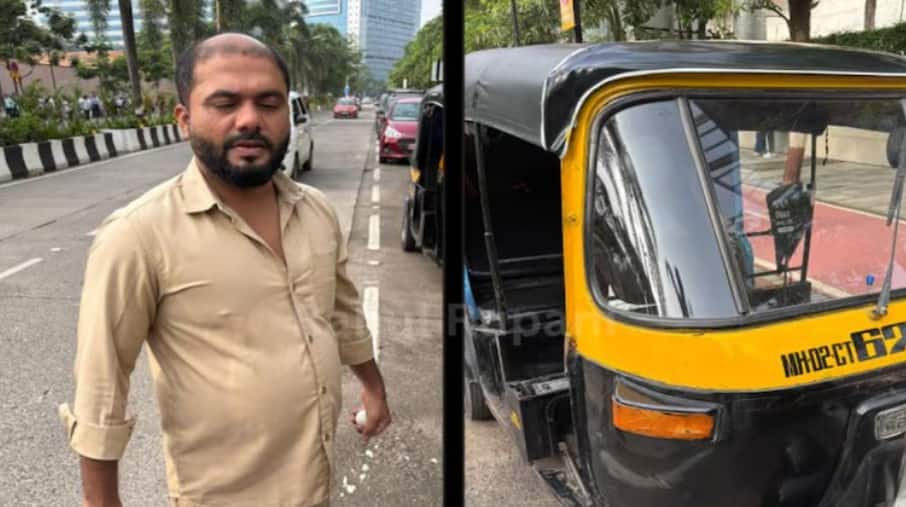
The story of a Mumbai autorickshaw driver who purportedly earned a significant income by offering a bag-holding service to visitors of the US consulate has taken a sharp turn from an inspiring tale of entrepreneurship to a cautionary one about the intersection of informal business practices and legal regulations. A viral LinkedIn post showcasing the driver's ingenuity inadvertently triggered a series of events that led to the cessation of his operations and raised critical questions about security, legality, and the informal economy in urban spaces. Rahul Rupani, co-founder of VenueMonk, shared his experience on the professional networking platform, highlighting the driver's resourcefulness in providing a solution to a common problem faced by consulate visitors – the inability to bring bags inside the premises. Rupani's post, which lauded the driver's entrepreneurial spirit and claimed he was earning between Rs 5 to 8 lakh per month, quickly gained traction, attracting attention from both the public and authorities. While some praised the driver's “jugaad” – a term often used to describe innovative and resourceful solutions to problems – others raised concerns about the legality and security implications of the unauthorized service. The Mumbai Police swiftly responded to the viral post, summoning the driver and others allegedly involved in similar operations outside the consulate. Their actions underscore the inherent complexities and potential pitfalls of informal economic activities, particularly when they operate in sensitive areas and lack proper oversight. The police emphasized that the driver's license permitted him to transport passengers, not to provide a locker service. This distinction is crucial, as it highlights the importance of adhering to regulatory frameworks and obtaining the necessary permits for engaging in specific business activities. The absence of such compliance not only renders the operation illegal but also raises serious security concerns. The makeshift nature of the bag-holding service, with bags stored either in autorickshaws or nearby commercial shops without proper authorization, posed a potential security threat. Authorities rightly pointed out that misplaced or unverified items could be used for malicious purposes, making the area vulnerable to security breaches. This concern is particularly relevant given the consulate's status as a high-security zone, necessitating stringent measures to safeguard against potential risks. The incident serves as a reminder of the delicate balance between fostering entrepreneurial spirit and ensuring public safety. While ingenuity and resourcefulness are valuable assets in the business world, they must be exercised within the bounds of the law and with due regard for security considerations. The case of the Mumbai autorickshaw driver highlights the need for a more comprehensive approach to regulating informal economic activities, one that acknowledges their potential contributions while mitigating the associated risks.
The narrative surrounding the autorickshaw driver's service also delves into the broader socioeconomic landscape of Mumbai, a city characterized by its vibrant informal economy and the constant pursuit of innovative solutions to everyday challenges. The driver's ability to identify a need and develop a service to address it reflects the entrepreneurial drive that permeates the city's culture. However, his story also underscores the precarity and vulnerability of those operating in the informal sector, where individuals often lack the legal protections and regulatory oversight that formal businesses enjoy. The widespread attention garnered by the LinkedIn post further illustrates the power of social media to amplify both the positive and negative aspects of informal economic activities. While the post initially celebrated the driver's ingenuity, it ultimately led to increased scrutiny and the eventual shutdown of his operations. This highlights the double-edged sword of social media visibility, which can simultaneously provide a platform for promoting innovative ideas and exposing them to potential legal or regulatory challenges. The incident also raises questions about the role of authorities in regulating informal economic activities. While it is essential to enforce laws and maintain security, it is equally important to adopt a nuanced approach that recognizes the contributions of the informal sector and seeks to integrate it into the formal economy. This may involve providing support and guidance to informal businesses, helping them navigate the regulatory landscape, and offering opportunities for formalization. The case of the Mumbai autorickshaw driver should serve as a catalyst for dialogue and collaboration between authorities, entrepreneurs, and other stakeholders to develop policies and programs that support the growth of the informal sector while ensuring compliance with legal and security requirements. Furthermore, the incident highlights the need for greater awareness among individuals operating in the informal economy about the legal and regulatory frameworks that govern their activities. Many informal businesses may unknowingly be in violation of the law, simply due to a lack of information or understanding. Providing access to legal education and resources can help these businesses operate within the bounds of the law and avoid potential penalties or disruptions. Ultimately, the story of the Mumbai autorickshaw driver is a complex and multifaceted one that touches upon issues of entrepreneurship, legality, security, and the informal economy. It underscores the importance of balancing innovation with regulation and of adopting a nuanced approach to supporting the growth of the informal sector while ensuring public safety and legal compliance.
The aftermath of the viral LinkedIn post also illuminates the challenges faced by law enforcement in maintaining order and security in densely populated urban areas. The Bandra Kurla Complex (BKC), where the US consulate is located, is a bustling commercial district with high foot traffic and limited parking space. The presence of unauthorized autorickshaws offering bag-holding services exacerbated the existing congestion and created potential security vulnerabilities. The police's decision to crack down on these operations reflects their responsibility to enforce parking regulations and prevent the unauthorized use of public spaces. However, it also raises questions about the effectiveness of these measures in addressing the underlying issues that led to the emergence of the bag-holding service in the first place. The demand for such a service suggests a gap in the existing infrastructure and a need for alternative solutions for consulate visitors who are unable to bring their bags inside. Instead of simply shutting down the unauthorized operations, authorities could explore the possibility of providing designated bag storage facilities or partnering with local businesses to offer secure and regulated storage options. This would not only address the needs of consulate visitors but also create legitimate business opportunities and generate revenue for the local economy. Moreover, the incident highlights the importance of proactive communication and engagement between law enforcement and the community. Instead of relying solely on enforcement actions, authorities could engage in dialogue with local stakeholders, including autorickshaw drivers, business owners, and consulate officials, to identify solutions that are both practical and sustainable. This collaborative approach can foster trust and cooperation, leading to more effective and equitable outcomes. In conclusion, the Mumbai autorickshaw driver's story serves as a microcosm of the challenges and opportunities facing urban centers around the world. It underscores the need for innovative solutions to address complex problems, while also emphasizing the importance of adhering to legal and security regulations. By fostering collaboration, promoting awareness, and adopting a nuanced approach to regulation, cities can create a more inclusive and sustainable environment for both formal and informal businesses to thrive.
Further examination of this situation reveals deeper societal implications concerning economic disparity and the lengths to which individuals will go to secure a livelihood. While the initial reaction to the viral post might have been amusement or admiration for the driver's ingenuity, the subsequent crackdown highlights a systemic issue: the lack of formal employment opportunities that drive individuals towards precarious and often unauthorized economic activities. The fact that an autorickshaw driver was reportedly earning a substantial income through this informal service suggests a demand that the formal economy isn't meeting. This underscores the need for government policies that promote job creation and provide avenues for individuals to transition from the informal sector to more stable and regulated employment. The reliance on 'jugaad,' while often celebrated as a testament to Indian resourcefulness, can also be seen as a symptom of systemic failures. It represents a workaround in the face of inadequate infrastructure, bureaucratic hurdles, and a lack of access to formal resources. While adaptability and innovation are commendable, they shouldn't be the primary means of survival in a well-functioning society. The police response, while necessary to uphold law and order, also raises questions about the proportionality of the action. Shutting down the operation entirely without offering alternative solutions or exploring ways to formalize the service seems like a missed opportunity. A more constructive approach might have involved working with the driver and other stakeholders to develop a regulated bag storage service that meets security requirements and provides a legitimate source of income. This could have served as a model for integrating other informal businesses into the formal economy. The broader narrative also touches upon the ethical considerations of profiting from a captive audience. While the autorickshaw driver provided a valuable service, the lack of competition and the desperate need of consulate visitors likely allowed him to charge exorbitant fees. This raises questions about fairness and the potential for exploitation in unregulated markets. The incident should prompt a broader discussion about the role of government in ensuring fair pricing and protecting consumers in informal economic activities. Finally, the viral nature of the story highlights the power of social media to shape public perception and influence policy decisions. While the LinkedIn post initially generated positive attention, it ultimately led to the driver's downfall. This underscores the need for individuals to be mindful of the potential consequences of their online actions and to consider the broader implications of sharing information about informal or unauthorized activities. In conclusion, the Mumbai autorickshaw driver's story is a complex tapestry woven with threads of entrepreneurship, legality, security, economic disparity, and the power of social media. It serves as a reminder of the challenges and opportunities facing cities in the 21st century and the need for innovative, equitable, and sustainable solutions that address the needs of all members of society.
Source: Viral LinkedIn post lands Mumbai auto driver in trouble over unauthorised bag service