
 |
|
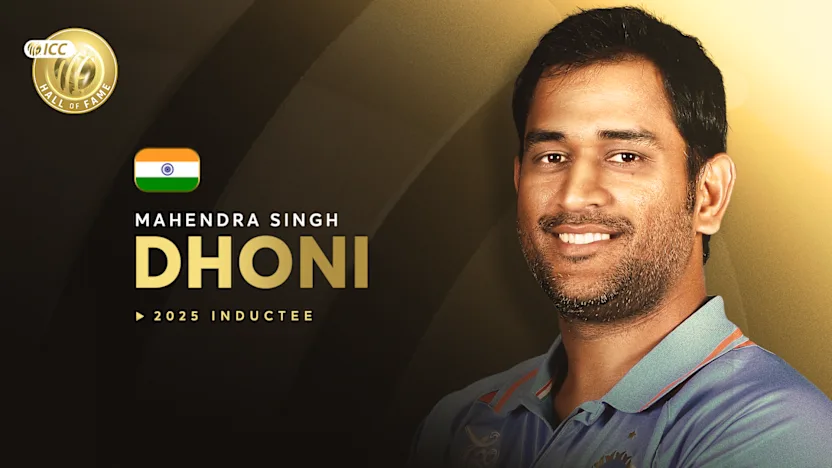
Mahendra Singh Dhoni, universally known as MS Dhoni, stands as a titan in the world of cricket, a name synonymous with leadership, composure under immense pressure, and unparalleled tactical brilliance. His recent induction into the ICC Cricket Hall of Fame is a fitting tribute to a career that transcended mere statistics, embodying the spirit of the game and inspiring a generation of cricketers. Dhoni's journey from a small-town boy to a global icon is a testament to his unwavering dedication, remarkable talent, and innate ability to rise to the occasion when his team needed him the most. This essay will delve into the multifaceted aspects of Dhoni's career, exploring his impact as a captain, wicketkeeper-batsman, and a finisher par excellence, ultimately solidifying his place as one of the greatest to have ever graced the cricket field. Beyond the numbers, which are undoubtedly impressive, lies a story of resilience, innovation, and a deep understanding of the game's nuances that set him apart from his contemporaries. Dhoni's leadership qualities were evident from the moment he was entrusted with the captaincy of the Indian team. He possessed a rare ability to inspire his teammates, fostering a sense of unity and belief that allowed them to perform at their peak. His calm demeanor in the face of adversity, often referred to as his 'ice-cool' temperament, instilled confidence in his team and unnerved his opponents. Dhoni's tactical acumen was equally remarkable. He had an uncanny ability to read the game, anticipate the opposition's moves, and make strategic decisions that often turned the tide in India's favor. Whether it was his astute field placements, his unconventional bowling changes, or his calculated risks with the bat, Dhoni consistently demonstrated his mastery of the game. His success as a captain is undeniable. Under his leadership, India achieved unprecedented success, winning the 2007 ICC World Twenty20, the 2011 ICC Cricket World Cup, and the 2013 ICC Champions Trophy. He is the only captain in the history of cricket to have won all three major ICC trophies, a testament to his exceptional leadership qualities and tactical prowess. Dhoni's contributions as a wicketkeeper-batsman were equally significant. He was a reliable presence behind the stumps, known for his sharp reflexes, safe hands, and exceptional stumping skills. His batting style was characterized by his powerful hitting, innovative strokeplay, and his ability to finish games under pressure. Dhoni was a master of the 'helicopter shot,' a unique stroke that he developed and perfected, which became his signature move. His ability to assess the situation and adapt his game accordingly made him a valuable asset to the Indian team. He could anchor the innings when needed, or he could unleash a barrage of boundaries to accelerate the scoring rate. His composure and calmness under pressure made him the ideal finisher, capable of guiding India to victory from seemingly impossible situations. Dhoni's impact on Indian cricket extends far beyond his on-field achievements. He inspired a generation of young cricketers to dream big and believe in their abilities. His humble background and his unwavering dedication to the game resonated with millions of Indians, making him a national icon. He is a role model for aspiring cricketers, demonstrating the importance of hard work, discipline, and a positive attitude. His leadership style, characterized by his humility, empathy, and respect for his teammates, has had a profound impact on the Indian team's culture. He fostered a sense of camaraderie and mutual respect, creating an environment where players felt valued and supported. Dhoni's legacy is one of excellence, leadership, and innovation. He revolutionized the game of cricket with his unique style of play, his tactical brilliance, and his unwavering commitment to his team. His induction into the ICC Cricket Hall of Fame is a well-deserved recognition of his extraordinary contributions to the sport. He will forever be remembered as one of the greatest captains, wicketkeepers, and batsmen in the history of cricket.
Furthermore, analyzing MS Dhoni's career necessitates a deeper dive into the nuances of his leadership style, particularly how it contrasted and complemented existing paradigms in Indian cricket. Historically, Indian cricket leadership often leaned towards assertive and occasionally, even authoritarian approaches. Dhoni, in contrast, presented a model rooted in inclusivity, delegation, and empowerment. He created an environment where junior players felt comfortable expressing their opinions, contributing to strategic discussions, and taking ownership of their roles within the team. This approach fostered a sense of collective responsibility, enhancing team cohesion and ultimately improving performance on the field. His ability to identify and nurture talent was also remarkable. He recognized the potential in players like Virat Kohli, Rohit Sharma, and Ravindra Jadeja, providing them with opportunities to excel and develop into world-class performers. He shielded them from undue pressure, allowing them to learn from their mistakes and grow as cricketers. This emphasis on long-term development, rather than short-term gains, was a hallmark of his leadership. Dhoni's decision-making was often unconventional, defying conventional wisdom and challenging established norms. He was not afraid to take risks, trusting his instincts and backing his judgment even when faced with criticism. This willingness to deviate from the norm often proved to be a decisive factor in India's success. His captaincy was characterized by a deep understanding of the game's psychological aspects. He possessed an uncanny ability to read the minds of his opponents, anticipating their moves and countering their strategies. He understood the importance of mental toughness, instilling in his team a belief in their ability to overcome any challenge. Dhoni's presence on the field exuded calmness and composure, inspiring confidence in his teammates and unnerving his opponents. His ability to remain unfazed under pressure was a key factor in his success as a captain and a finisher. In the context of wicketkeeping, Dhoni revolutionized the role with his speed and agility. He was known for his lightning-fast stumpings and his ability to anticipate the batsmen's movements. His wicketkeeping skills were a valuable asset to the Indian team, providing crucial support to the bowlers and helping to dismiss key batsmen. His batting prowess was equally remarkable. He possessed a unique blend of power, technique, and improvisation, allowing him to adapt his game to any situation. He was a master of the 'helicopter shot,' a stroke that he developed and perfected, which became his signature move. His ability to finish games under pressure made him a valuable asset to the Indian team. He consistently delivered in crunch situations, guiding India to victory from seemingly impossible situations. Dhoni's impact on Indian cricket is immeasurable. He transformed the team from a talented but inconsistent unit into a world-beating force. He inspired a generation of young cricketers to dream big and believe in their abilities. His leadership style, characterized by his humility, empathy, and respect for his teammates, has had a profound impact on the Indian team's culture. He fostered a sense of camaraderie and mutual respect, creating an environment where players felt valued and supported. Dhoni's legacy is one of excellence, leadership, and innovation. He revolutionized the game of cricket with his unique style of play, his tactical brilliance, and his unwavering commitment to his team. His induction into the ICC Cricket Hall of Fame is a well-deserved recognition of his extraordinary contributions to the sport. He will forever be remembered as one of the greatest captains, wicketkeepers, and batsmen in the history of cricket.
Moreover, to fully appreciate MS Dhoni's significance, one must consider the broader social and cultural context within which his career unfolded. He emerged as a cricketing icon at a time when India was undergoing rapid economic and social transformation. His success resonated with millions of Indians, particularly those from humble backgrounds, who saw him as a symbol of hope and opportunity. Dhoni's story is a testament to the power of hard work, dedication, and perseverance. He came from a small town in Jharkhand, a state known for its rich mineral resources but also its socio-economic challenges. He did not have the advantages of some of his contemporaries, but he possessed an unwavering belief in his abilities and a burning desire to succeed. His rise to prominence inspired countless young Indians to pursue their dreams, regardless of their background or circumstances. Dhoni's humble demeanor and his down-to-earth personality made him relatable to ordinary Indians. He never forgot his roots, and he always remained grounded despite his immense success. His simplicity and his genuine affection for his fans earned him the respect and admiration of millions of people. He became a national icon, a symbol of Indian pride and aspiration. Dhoni's impact on Indian society extends beyond the realm of cricket. He is a role model for young Indians, demonstrating the importance of hard work, discipline, and a positive attitude. He is a strong advocate for social causes, using his platform to raise awareness about issues such as education, healthcare, and environmental protection. His philanthropy and his commitment to giving back to the community have earned him the respect and admiration of people from all walks of life. Dhoni's legacy is one of inspiration, empowerment, and social change. He has shown that it is possible to achieve great things through hard work, dedication, and a commitment to one's values. He has inspired a generation of young Indians to dream big and believe in their abilities. His impact on Indian society will be felt for generations to come. The game's landscape shifted during his tenure. The rise of T20 cricket brought new demands on players, requiring them to be more athletic, adaptable, and innovative. Dhoni embraced these changes, adapting his game to the shorter format and leading India to victory in the inaugural ICC World Twenty20 in 2007. He demonstrated his ability to think on his feet, making bold decisions that often caught his opponents off guard. His captaincy in the T20 format was characterized by his aggressive approach and his willingness to take risks. He understood the importance of momentum and he was always looking for ways to gain an advantage. Dhoni's impact on the game of cricket is undeniable. He revolutionized the sport with his unique style of play, his tactical brilliance, and his unwavering commitment to his team. His induction into the ICC Cricket Hall of Fame is a well-deserved recognition of his extraordinary contributions to the sport. He will forever be remembered as one of the greatest captains, wicketkeepers, and batsmen in the history of cricket. His legacy is one of excellence, leadership, and innovation, inspiring generations. He has left an indelible mark on the hearts and minds of cricket fans around the world.
Ultimately, MS Dhoni's induction into the ICC Cricket Hall of Fame is not merely a recognition of his statistical achievements or his trophy haul, but rather a celebration of his transformative impact on the sport and the society he represented. He was more than just a cricketer; he was a leader, an innovator, and an inspiration to millions. His legacy extends far beyond the cricket field, encompassing his contributions to Indian society, his influence on the game's culture, and his enduring impact on the lives of those who admired him. His story is a reminder that success is not just about talent and ability, but also about hard work, dedication, and a unwavering belief in oneself. He proved that it is possible to achieve great things regardless of one's background or circumstances. He inspired a generation of young Indians to dream big and believe in their abilities. His leadership style, characterized by his humility, empathy, and respect for his teammates, has had a profound impact on the Indian team's culture. He fostered a sense of camaraderie and mutual respect, creating an environment where players felt valued and supported. His ability to remain calm and composed under pressure, his tactical brilliance, and his innovative approach to the game set him apart from his contemporaries. His contributions as a wicketkeeper-batsman were equally significant. His sharp reflexes, safe hands, and exceptional stumping skills made him a valuable asset to the Indian team. His batting style was characterized by his power, technique, and improvisation, allowing him to adapt his game to any situation. His ability to finish games under pressure made him the ideal finisher, capable of guiding India to victory from seemingly impossible situations. His induction into the ICC Cricket Hall of Fame is a fitting tribute to a career that transcended mere statistics, embodying the spirit of the game and inspiring a generation of cricketers. He will forever be remembered as one of the greatest captains, wicketkeepers, and batsmen in the history of cricket. His legacy is one of excellence, leadership, and innovation, and it will continue to inspire generations of cricketers and fans around the world. The values he exemplified, of sportsmanship, humility, and dedication, are timeless and universal, making him a true icon of the sport. Dhoni's journey from a small town in Jharkhand to the pinnacle of world cricket is a testament to the power of dreams and the transformative potential of sport. He is an example of the impact that one individual can have when they combine talent, hard work, and a commitment to excellence. He will continue to be celebrated for his accomplishments on the field and his contributions to the game, and he will serve as an inspiration to aspiring athletes and leaders for years to come. His place in the ICC Hall of Fame is assured, a lasting tribute to his extraordinary career and his indelible mark on the world of cricket. He will be forever remembered as one of the greatest to ever play the game.
Source: MS Dhoni: A captain, wicketkeeper and batter beyond numbers