
 |
|
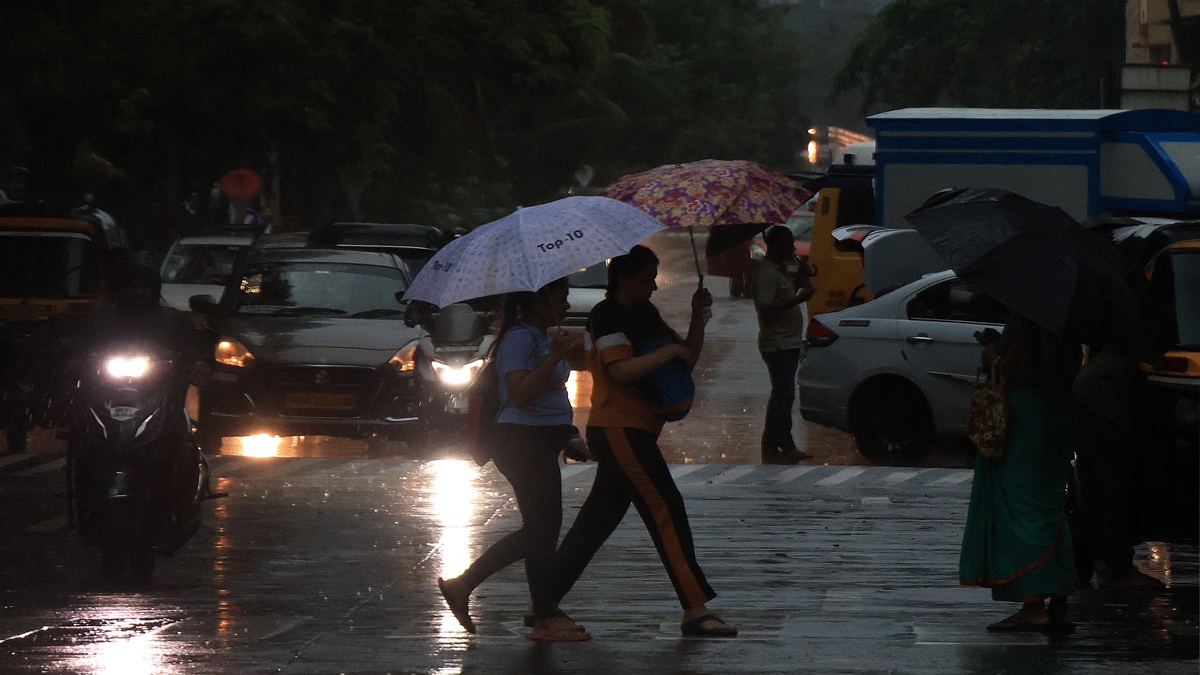
The southwest monsoon, a critical weather phenomenon for India, is poised to reactivate around mid-June, bringing much-needed relief from the persistent heatwave plaguing northwest India and replenishing water resources across the country. According to the India Meteorological Department (IMD), heavy to very heavy rainfall is expected over southern peninsular India, Konkan, and Goa between June 12 and 16. This resurgence follows a period of stalled progress for the monsoon, which had experienced an early onset but was subsequently hampered by the intrusion of dry air. The anticipated revival is attributed, in part, to the development of a tropical cyclone over the South China Sea, which is expected to strengthen monsoon winds and increase moisture levels over India. This development is crucial for the agricultural sector, which relies heavily on monsoon rains for irrigation and overall productivity. The timing of the monsoon's revival is also significant, as it will allow for the rapid advancement of the monsoon into eastern and central India during the third week of June, effectively expanding its reach and impact across a wider geographical area. Prior to the expected resurgence, regions in peninsular India are already experiencing increased rainfall, with moderate to heavy rainfall anticipated in parts of Kerala, coastal Karnataka, Goa, Andhra Pradesh, and Telangana. This gradual increase in precipitation is indicative of the monsoon's strengthening presence and signals the imminent onset of the full-fledged monsoon season. The MeT department's data reveals that rainfall during June 1-10 was 23.9 millimeters, which is 32.9% below the long period average. This deficit highlights the importance of the upcoming monsoon revival in compensating for the earlier rainfall deficiency and ensuring adequate water availability for agricultural and domestic purposes. The early onset of the southwest monsoon over the Kerala coast on May 24, eight days ahead of schedule, was a promising sign, marking the earliest onset in 16 years. However, the subsequent stalling of the monsoon's progress underscored the complex interplay of various atmospheric factors that influence the monsoon's behavior. The typical pattern of the southwest monsoon involves its onset over the Kerala coast in early June, gradually covering the entire country by July, and then receding from the north region from mid-September. This predictable pattern is essential for planning agricultural activities and managing water resources across the country. The MeT department's reiterated forecast of 'above normal' monsoon rainfall during June-September this year provides a sense of optimism, although it also acknowledges the possibility of 'excess' rainfall in June. The forecast also indicates a 90% chance of rainfall being in the 'normal-to-excess' range throughout the four-month season, further reinforcing the expectation of a favorable monsoon season. Considering that around 75% of India's annual rainfall occurs during the monsoon season, its significance cannot be overstated. The monsoon replenishes water reservoirs, rivers, lakes, and groundwater, which are vital for irrigation and drinking water supplies. A successful monsoon season is therefore crucial for ensuring food security, supporting economic growth, and maintaining overall societal well-being.
The anticipated strengthening of the monsoon is not just a matter of increased rainfall; it is also a complex meteorological phenomenon influenced by various factors, including sea surface temperatures, atmospheric pressure gradients, and the presence of weather systems like tropical cyclones. The development of a tropical cyclone in the South China Sea is particularly significant, as it is expected to draw moisture towards India, enhancing the monsoon winds and breaking down the dry air that has been impeding the monsoon's progress. Akshay Deoras, a research scientist at the National Centre for Atmosphere Science, University of Reading, United Kingdom, emphasizes the role of this tropical cyclone in strengthening monsoon winds over India by June 14. Deoras explains that the increased moisture will help erode the dry air, allowing the monsoon's progression to restart closer to mid-June and rapidly advance into eastern and central India in the third week of June. This perspective from a leading atmospheric scientist adds credibility to the forecast and highlights the intricate relationship between regional and global weather patterns. The impact of the monsoon extends far beyond the agricultural sector, influencing various aspects of Indian society, including energy production, transportation, and public health. Adequate rainfall is essential for hydroelectric power generation, which is a significant source of electricity in many parts of India. The monsoon also affects transportation networks, as heavy rainfall can disrupt road and rail traffic. Furthermore, the monsoon season is associated with increased incidence of waterborne diseases, requiring proactive public health measures to prevent outbreaks. The success of the monsoon is therefore a matter of national importance, requiring coordinated efforts from various government agencies and stakeholders. Effective water management strategies, including rainwater harvesting and efficient irrigation techniques, are crucial for maximizing the benefits of the monsoon and mitigating the risks associated with excessive rainfall. The MeT department's continuous monitoring of the monsoon's progress and its timely dissemination of weather information are essential for enabling farmers and policymakers to make informed decisions.
Looking ahead, the focus will be on closely monitoring the monsoon's actual performance against the forecast, assessing its impact on agricultural production, and implementing measures to address any challenges that may arise. The distribution of rainfall across different regions of the country is also a key factor, as uneven rainfall can lead to localized droughts or floods, requiring targeted interventions. The long-term trend of climate change is also a concern, as it can alter the patterns and intensity of monsoon rainfall, potentially leading to more extreme weather events. Therefore, it is essential to invest in climate research and develop strategies to adapt to the changing climate and mitigate its adverse effects on the monsoon. The southwest monsoon is not merely a weather event; it is a lifeline for India, shaping its economy, society, and culture. Its timely arrival and adequate performance are crucial for ensuring the well-being of millions of people and sustaining the country's progress. As the monsoon season unfolds, it is imperative to remain vigilant, adapt to the evolving weather patterns, and work together to harness the benefits of this vital natural resource. The information provided by the IMD and expert analysis, like that from Akshay Deoras, allows for better preparation and understanding of this complex weather phenomenon. The revival of the monsoon and its subsequent advancement into central and eastern India signify a shift from a period of concern to one of cautious optimism, as the country anticipates the life-giving rains that sustain its agricultural heartland and replenish its crucial water reserves. The next few weeks will be critical in determining the overall success of the monsoon season, and the nation will be closely watching the skies for signs of continued progress and abundant rainfall.
The role of technology in monitoring and predicting monsoon patterns is also becoming increasingly important. Advanced weather models, satellite imagery, and radar systems are used to track the movement of monsoon winds, measure rainfall intensity, and forecast potential extreme weather events. These technologies provide valuable data that helps scientists and policymakers understand the complexities of the monsoon system and make informed decisions. Furthermore, the use of mobile technology and internet platforms is enabling the dissemination of weather information to farmers and the general public in real-time, empowering them to take proactive measures to protect their crops and property. The integration of traditional knowledge with modern technology is also proving to be beneficial, as local communities often possess valuable insights into weather patterns and their impact on agricultural practices. By combining these different sources of knowledge, it is possible to develop more effective strategies for managing the risks associated with the monsoon. The challenges posed by climate change require a multi-faceted approach, involving not only technological advancements but also policy changes, community engagement, and international collaboration. Reducing greenhouse gas emissions, promoting sustainable land management practices, and investing in renewable energy sources are essential steps towards mitigating the long-term impacts of climate change on the monsoon. The success of these efforts will depend on the collective commitment of governments, businesses, and individuals to adopt sustainable practices and prioritize environmental stewardship. The southwest monsoon is a complex and dynamic weather system that plays a vital role in shaping the lives of millions of people in India. Its timely arrival and adequate performance are crucial for ensuring food security, economic stability, and overall well-being. By understanding the intricacies of the monsoon, leveraging technology for monitoring and prediction, and implementing sustainable practices, it is possible to harness its benefits and mitigate its risks, ensuring a prosperous and sustainable future for the country.