
 |
|
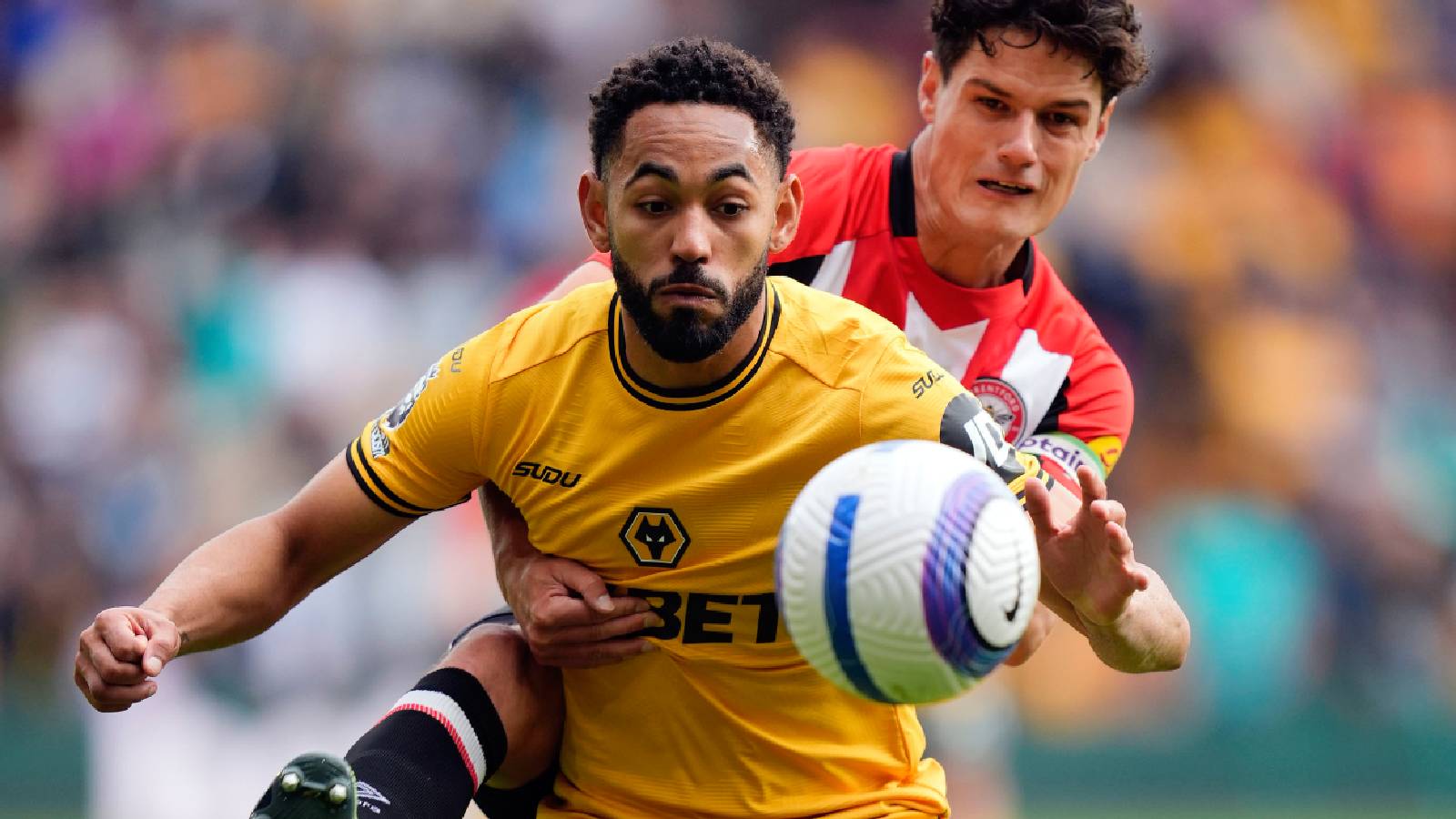
The acquisition of Matheus Cunha by Manchester United from Wolverhampton Wanderers marks a significant move in the football transfer market. The deal, reportedly worth around £62.5 million, underscores United's commitment to bolstering their attacking options and addressing the perceived weaknesses within their squad. Cunha, a 26-year-old Brazilian forward, brings a blend of skill, experience, and goal-scoring prowess to Old Trafford, attributes that the club desperately needs as they strive to improve upon their recent disappointing Premier League performance. The transfer also signifies a strategic shift in United's approach to recruitment, potentially prioritizing players with proven Premier League experience over those from other leagues. This move could be seen as a reaction to previous transfer missteps, where players from abroad have struggled to adapt to the physicality and intensity of English football. The pressure will be on Cunha to deliver from the outset, justifying the substantial investment made by the club and helping to propel United back into the Champions League contention. Beyond the immediate impact on the pitch, the signing of Cunha also has implications for the squad dynamics at Manchester United. It will be interesting to see how he integrates into the existing team structure, how his presence affects the playing time of other forwards, and how manager Amorim plans to utilize his versatility and attacking capabilities. The success of this transfer will ultimately depend not only on Cunha's individual performance but also on his ability to gel with his teammates and contribute to a cohesive and effective attacking unit. Furthermore, the transfer represents a significant financial windfall for Wolverhampton Wanderers. The £62.5 million received for Cunha eclipses their previous record sale of Matheus Nunes to Manchester City, providing the club with considerable funds to reinvest in their squad and strengthen their own position within the Premier League. This influx of capital allows Wolves to pursue their own transfer targets and address any areas of weakness identified by their manager. However, they will also need to carefully consider how to replace Cunha's contributions to the team, as he was a key player in their attacking setup. The departure of Cunha could potentially weaken Wolves in the short term, but the financial benefits of the transfer could enable them to build a stronger and more balanced squad in the long run. The strategic decisions made by Wolves in the aftermath of this transfer will be crucial in determining their future success and competitiveness within the Premier League. This transfer is a complex transaction with ramifications for both clubs involved and the broader landscape of English football. It highlights the ongoing importance of financial resources in the modern game and the strategic considerations that underpin transfer decisions. As Cunha embarks on his new chapter at Manchester United, and Wolves look to rebuild after his departure, the success or failure of this transfer will be closely scrutinized by fans, pundits, and rival clubs alike. The narratives surrounding this deal will undoubtedly evolve as the season progresses, with the ultimate judgment based on the performances of both Cunha and the respective clubs involved.
The acquisition of Matheus Cunha by Manchester United is not solely about his on-field performance; it's also about sending a message to the club's supporters and the rest of the Premier League. After a disappointing season that saw them finish a lowly 15th, United needed to make a statement of intent. Signing a player of Cunha's caliber, a proven goalscorer and assist provider in the Premier League, signals that the club is serious about rebuilding and challenging for top honors once again. This transfer is a demonstration of the club's financial power and its commitment to investing in the squad. It's a move designed to appease disgruntled fans and restore confidence in the club's leadership and direction. The arrival of Cunha is expected to inject fresh energy and excitement into the team, both on and off the pitch. His presence will undoubtedly create competition for places in the attacking lineup, which should spur other players to raise their game. He also brings a winning mentality and a wealth of experience, which will be invaluable in guiding the younger players in the squad. From a tactical perspective, Cunha's versatility is a major asset for Manchester United. He is capable of playing in multiple positions across the front line, which gives manager Amorim greater flexibility in his team selection and tactical formations. He can operate as a central striker, a wide forward, or even as an attacking midfielder, adapting his game to suit the needs of the team. This adaptability makes him a valuable addition to the squad and allows United to deploy different attacking strategies depending on the opponent. Moreover, Cunha's work rate and defensive contributions are often overlooked but are an important part of his game. He is known for his willingness to track back and help defend, which is a quality that is highly valued by Amorim. His defensive work rate will contribute to a more balanced and disciplined team performance. The success of Cunha's transfer will also depend on the support he receives from his teammates and the coaching staff. It's crucial that he is integrated seamlessly into the team and that he is given the opportunity to showcase his talents. The coaching staff needs to develop a tactical system that maximizes his strengths and minimizes his weaknesses. The signing of Cunha is a significant step in Manchester United's rebuilding process, but it's just one piece of the puzzle. The club still needs to address other areas of weakness in the squad and continue to invest in young talent. However, the arrival of Cunha provides a much-needed boost to morale and sends a clear signal that United is determined to return to the top of English football.
Analyzing the financial aspects of the Matheus Cunha transfer reveals the complex dynamics of the modern football market. The £62.5 million fee paid by Manchester United is a substantial sum, reflecting Cunha's value as a proven Premier League performer. However, it also highlights the escalating transfer fees in the current football landscape, where top players command exorbitant prices. This transfer underscores the financial disparity between the wealthiest clubs in the Premier League and the rest of the league. Manchester United's ability to spend such a significant amount on a single player demonstrates their financial dominance and their competitive advantage in the transfer market. This financial power allows them to attract top talent and maintain their position as one of the leading clubs in Europe. For Wolverhampton Wanderers, the sale of Cunha represents a significant financial boost. The £62.5 million received will provide them with the resources to reinvest in their squad and strengthen their position within the Premier League. However, they also face the challenge of replacing Cunha's contributions to the team. They need to identify and recruit players who can fill the void left by his departure and maintain their competitiveness. The financial implications of this transfer extend beyond the two clubs directly involved. It also has an impact on the wider transfer market, as it sets a benchmark for the value of similar players. Other clubs will use this transfer as a reference point when negotiating the transfer fees of their own players. This can lead to a ripple effect, driving up the prices of players across the board. The financial regulations of football, such as Financial Fair Play (FFP), also play a role in this transfer. Clubs are required to adhere to FFP rules, which aim to prevent them from spending beyond their means. These regulations are designed to promote financial stability and prevent clubs from accumulating unsustainable levels of debt. The Matheus Cunha transfer is subject to scrutiny under FFP regulations. Manchester United will need to ensure that the transfer fee and Cunha's wages are within the limits of their FFP allowance. The financial aspects of this transfer highlight the increasing commercialization of football and the growing importance of financial management. Clubs need to be financially astute in order to compete at the highest level. They need to generate revenue, manage their expenses effectively, and comply with financial regulations. The Matheus Cunha transfer is a prime example of the complex financial considerations that underpin modern football transfers.
Source: Man United agree deal for Wolves’ Brazil forward Matheus Cunha