
 |
|
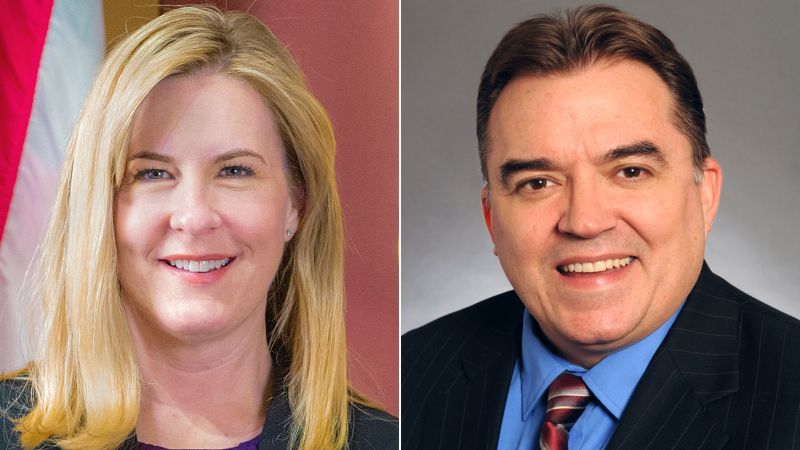
The recent tragedy in Minnesota, involving the shooting of state Representative Melissa Hortman and Senator John Hoffman, has sent shockwaves through the political landscape and raised serious concerns about the safety of elected officials. Senator Amy Klobuchar, a prominent figure in Minnesota politics, expressed her deep sorrow and concern in an interview, highlighting Hortman's dedication to public service and her contributions to the state. The incident underscores a disturbing trend of escalating threats and violence against those who serve in public office, a phenomenon that demands immediate attention and comprehensive solutions. The article serves as a somber reminder of the risks faced by individuals who choose to dedicate their lives to public service and the urgent need to address the underlying causes of political polarization and extremism that fuel such acts of violence. The loss of Melissa Hortman is a significant blow to the Minnesota legislature and a stark reminder of the fragility of democracy in the face of rising political hostility. Her contributions to the state, as highlighted by Senator Klobuchar, demonstrate her commitment to improving the lives of her constituents and her ability to bridge divides in a challenging political environment. The attack on Senator Hoffman and his wife further underscores the vulnerability of elected officials and their families to violence and intimidation. The fact that these attacks are believed to be connected and targeting elected officials is especially alarming. Senator Klobuchar's remarks about the growing scourge of threats against elected officials and judges highlight the urgency of addressing this issue. The increasing polarization of political discourse, amplified by social media and the spread of misinformation, has created a climate of hostility and distrust that can easily escalate into violence. It is crucial that political leaders, media outlets, and community organizations work together to promote civility, respect, and understanding in order to de-escalate tensions and prevent further acts of violence. The incident also raises questions about the security measures in place to protect elected officials. While security protocols vary depending on the level of office and the specific circumstances, it is clear that additional measures may be needed to ensure the safety of those who serve in public office. This could include increased police presence at public events, enhanced security at government buildings, and improved training for elected officials and their staff on how to identify and respond to threats. Furthermore, it is essential to address the root causes of political violence. This requires a multi-faceted approach that includes promoting education, combating misinformation, and fostering dialogue across ideological divides. It also requires addressing the economic and social inequalities that can fuel resentment and anger, making individuals more susceptible to extremist ideologies. The media also plays a crucial role in shaping public opinion and influencing political discourse. It is important that media outlets adhere to journalistic ethics and avoid sensationalizing stories or amplifying extremist voices. Instead, they should focus on providing accurate and balanced information that promotes understanding and empathy. The rise of social media has further complicated the challenge of combating political violence. Social media platforms have become breeding grounds for hate speech, misinformation, and extremist propaganda. It is imperative that these platforms take responsibility for the content that is disseminated on their sites and implement effective measures to remove hate speech and prevent the spread of misinformation. Furthermore, it is important to educate the public about how to identify and avoid falling victim to online propaganda and manipulation. The attack on Melissa Hortman and John Hoffman is a wake-up call for the nation. It is a reminder that democracy is not a spectator sport and that it requires the active participation of all citizens. It is also a reminder that we must be vigilant in protecting our elected officials from violence and intimidation. By working together, we can create a more civil and respectful political environment that fosters dialogue, understanding, and cooperation. The memory of Melissa Hortman should serve as an inspiration to continue her work and to strive for a more just and equitable society. Her dedication to public service and her commitment to improving the lives of her constituents should be a model for all elected officials. The tragic events in Minnesota highlight the need for a renewed commitment to democratic values and the importance of protecting those who serve in public office. The nation must unite in condemning violence and extremism and work together to create a more peaceful and just society. The investigation into the shootings of Melissa Hortman and John Hoffman is ongoing, and law enforcement is working diligently to apprehend the suspect. It is crucial that the perpetrator is brought to justice and held accountable for their actions. The legal system must also ensure that appropriate measures are taken to prevent future acts of violence. The events in Minnesota have sparked a national conversation about the safety of elected officials and the need to address the root causes of political violence. It is imperative that this conversation leads to concrete action and that meaningful steps are taken to protect those who serve in public office and to promote a more civil and respectful political environment. The future of democracy depends on it.
The increasing prevalence of threats and violence against elected officials represents a grave danger to the foundations of democratic governance. This disturbing trend not only discourages individuals from entering public service but also undermines the ability of elected officials to effectively represent their constituents without fear of intimidation or harm. The chilling effect of such threats can stifle open debate, limit the diversity of voices in the political arena, and ultimately erode public trust in government institutions. When elected officials are forced to operate under the constant threat of violence, their focus shifts from addressing critical policy issues to ensuring their personal safety and security. This can lead to a paralysis of government, as officials become hesitant to take bold stances or make controversial decisions that might invite further threats or attacks. Moreover, the normalization of violence as a tool of political expression can create a self-perpetuating cycle of extremism and polarization, making it increasingly difficult to find common ground and address the complex challenges facing society. The rise of online radicalization and the spread of misinformation through social media have further exacerbated the problem of political violence. Extremist groups and individuals often use online platforms to spread hate speech, incite violence, and recruit new members. The anonymity and lack of accountability afforded by the internet can embolden individuals to make threats and engage in harassment that they might not otherwise consider. Social media algorithms can also create echo chambers, where individuals are only exposed to information that confirms their existing biases, leading to further polarization and distrust of opposing viewpoints. To effectively combat the threat of political violence, it is essential to address the underlying factors that contribute to extremism and polarization. This requires a comprehensive approach that includes promoting education, fostering critical thinking skills, and encouraging constructive dialogue across ideological divides. Educational institutions should emphasize the importance of civic engagement, teach students how to evaluate information critically, and provide opportunities for them to interact with people from different backgrounds and perspectives. Community organizations can play a vital role in fostering dialogue and building bridges between different groups. By creating safe spaces for people to share their experiences and perspectives, these organizations can help to break down stereotypes, promote understanding, and reduce animosity. Furthermore, it is essential to hold individuals accountable for their actions when they engage in threats or violence against elected officials. Law enforcement agencies should investigate all credible threats thoroughly and prosecute those who are found to have violated the law. The legal system should also ensure that appropriate penalties are imposed on those who are convicted of such crimes, sending a clear message that violence will not be tolerated in a democratic society. In addition to law enforcement measures, it is important to address the root causes of radicalization and extremism. This requires a multi-faceted approach that includes addressing economic and social inequalities, providing mental health services, and countering extremist propaganda. Governments should invest in programs that provide job training, education, and other opportunities for individuals who are at risk of being radicalized. Mental health services should be readily available and accessible to those who are struggling with mental illness or emotional distress. Counter-extremism efforts should focus on debunking extremist propaganda, promoting positive narratives, and building resilience to extremist ideologies. The media also has a critical role to play in combating political violence. Media outlets should avoid sensationalizing stories or amplifying extremist voices. Instead, they should focus on providing accurate and balanced information, promoting civility and respect, and highlighting the common ground that unites people. The media should also be responsible in reporting on threats and violence against elected officials, avoiding the dissemination of hate speech or the promotion of extremist ideologies. The challenge of combating political violence is complex and multifaceted, requiring a sustained and coordinated effort from governments, civil society organizations, the media, and individual citizens. By working together, we can create a more civil, respectful, and tolerant society, where elected officials can serve without fear of intimidation or harm and where democracy can thrive.
The impact of such tragedies extends far beyond the immediate victims and their families, casting a long shadow over the entire community and undermining the foundations of democratic governance. When elected officials are targeted with violence, it sends a chilling message to others who might consider entering public service, discouraging them from pursuing their passion for civic engagement and depriving the community of their potential contributions. Moreover, the fear and intimidation that result from such attacks can stifle open debate, limit the diversity of voices in the political arena, and erode public trust in government institutions. The increasing polarization of political discourse, fueled by social media and the spread of misinformation, has created a climate of hostility and distrust that can easily escalate into violence. The anonymity and lack of accountability afforded by the internet have emboldened individuals to make threats and engage in harassment that they might not otherwise consider. Social media algorithms can also create echo chambers, where individuals are only exposed to information that confirms their existing biases, leading to further polarization and distrust of opposing viewpoints. To effectively combat the threat of political violence, it is essential to address the underlying factors that contribute to extremism and polarization. This requires a comprehensive approach that includes promoting education, fostering critical thinking skills, and encouraging constructive dialogue across ideological divides. Educational institutions should emphasize the importance of civic engagement, teach students how to evaluate information critically, and provide opportunities for them to interact with people from different backgrounds and perspectives. Community organizations can play a vital role in fostering dialogue and building bridges between different groups. By creating safe spaces for people to share their experiences and perspectives, these organizations can help to break down stereotypes, promote understanding, and reduce animosity. Furthermore, it is essential to hold individuals accountable for their actions when they engage in threats or violence against elected officials. Law enforcement agencies should investigate all credible threats thoroughly and prosecute those who are found to have violated the law. The legal system should also ensure that appropriate penalties are imposed on those who are convicted of such crimes, sending a clear message that violence will not be tolerated in a democratic society. In addition to law enforcement measures, it is important to address the root causes of radicalization and extremism. This requires a multi-faceted approach that includes addressing economic and social inequalities, providing mental health services, and countering extremist propaganda. Governments should invest in programs that provide job training, education, and other opportunities for individuals who are at risk of being radicalized. Mental health services should be readily available and accessible to those who are struggling with mental illness or emotional distress. Counter-extremism efforts should focus on debunking extremist propaganda, promoting positive narratives, and building resilience to extremist ideologies. The media also has a critical role to play in combating political violence. Media outlets should avoid sensationalizing stories or amplifying extremist voices. Instead, they should focus on providing accurate and balanced information, promoting civility and respect, and highlighting the common ground that unites people. The media should also be responsible in reporting on threats and violence against elected officials, avoiding the dissemination of hate speech or the promotion of extremist ideologies. The challenge of combating political violence is complex and multifaceted, requiring a sustained and coordinated effort from governments, civil society organizations, the media, and individual citizens. By working together, we can create a more civil, respectful, and tolerant society, where elected officials can serve without fear of intimidation or harm and where democracy can thrive. The memory of Melissa Hortman and the hope for Senator Hoffman's recovery should serve as a catalyst for action, inspiring us to redouble our efforts to protect those who serve in public office and to build a more peaceful and just society for all.