
 |
|
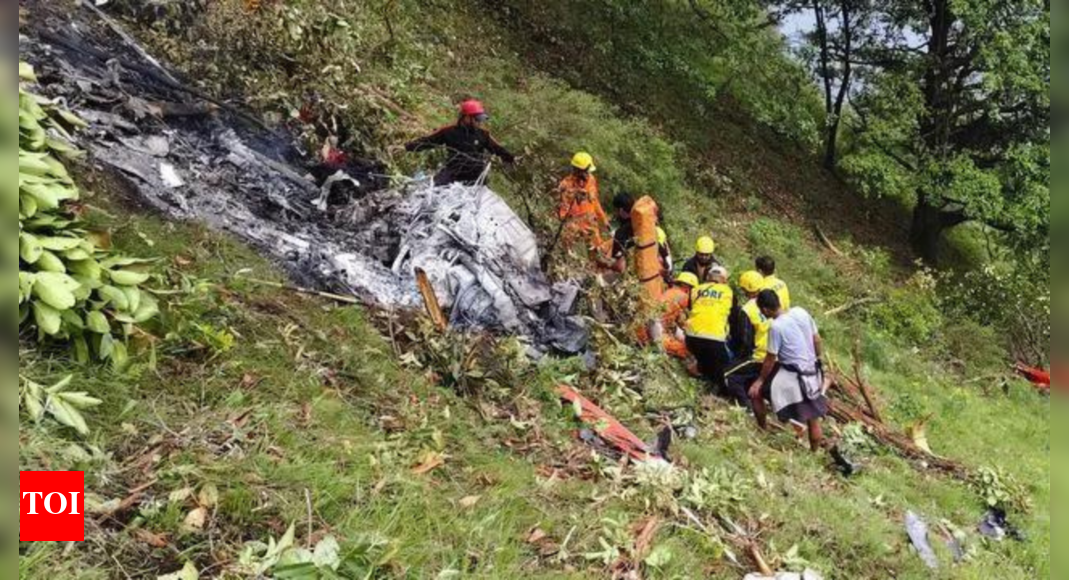
The operation of helicopter services to Kedarnath, a revered pilgrimage site in India, continues to raise serious safety concerns despite measures implemented following a fatal crash in 2022. Experts argue that the current regulations and infrastructure fall significantly short of international aviation safety norms, placing pilots and passengers at undue risk. A critical examination of the existing conditions reveals a multitude of deficiencies, including the absence of air traffic control (ATC), radar coverage, and real-time weather monitoring systems. These shortcomings create a hazardous environment where pilots are forced to rely on visual cues and radio calls in one of India's most challenging air corridors. The inherent dangers are further amplified by the high volume of helicopter sorties, which, prior to recent restrictions, reached as many as 250-300 daily. The recent DGCA intervention to cap sorties to nine per hour, while a welcome step, only partially mitigates the underlying problems. The senior helicopter pilot’s statement, with over a decade of experience on the Char Dham circuit, that this is a high-risk zone with zero aviation infrastructure emphasizes the gravity of the situation. The reliance on visual flight rules (VFR) in a region known for its unpredictable weather patterns and mountainous terrain is a recipe for disaster. The lack of on-ground India Meteorological Department (IMD) presence further exacerbates the challenges, leaving pilots essentially flying blind. The Aircraft Accident Investigation Bureau's report on the 2022 crash highlighted the absence of aviation-grade forecasting and centralized flight coordination. The management of flights solely through operator-level communication and UCADA-issued slots, without regulatory oversight, exposes a systemic vulnerability. The failure to establish a dedicated meteorological station at Kedarnath, despite a proposed MoU between UCADA and IMD, underscores a lack of commitment to improving safety infrastructure. Bikram Singh, director of the regional meteorological centre, attributed the non-materialization of the MoU to the absence of an ATC at Kedarnath, highlighting a circular dependency that hinders progress. The situation demands urgent and comprehensive action to address the identified deficiencies and align Kedarnath's aviation safety standards with international best practices.
The heart of the issue lies in the inadequate investment in aviation infrastructure and the apparent disconnect between the perceived needs and the implemented solutions. The installation of three fixed cameras on the Kedar route, while offering some assistance to pilots, is a far cry from the sophisticated weather forecasting and radar systems required for safe navigation in such a challenging environment. Similarly, the introduction of an Airworthiness Operating System to monitor flight operations, while a positive step, does not compensate for the absence of real-time air traffic control. The root causes of the problem are multifaceted and deeply entrenched. Limited financial resources, bureaucratic inertia, and a lack of political will all contribute to the perpetuation of substandard safety standards. The absence of a robust regulatory framework and effective enforcement mechanisms further compounds the problem. The prioritization of tourism and religious pilgrimage over safety concerns is a recurring theme in the region, leading to a culture of complacency and risk-taking. The personal tragedy of Raman Jeet Singh, wife of Captain Anil Singh, who perished in the 2022 crash, serves as a stark reminder of the human cost of these systemic failures. Her assertion that these are not freak accidents, but rather the result of pilots flying without radar or terrain-mapping in unpredictable weather, underscores the urgent need for change. The current situation is unsustainable and unacceptable. Without immediate and decisive action, further accidents are inevitable, resulting in more loss of life and irreparable damage to the region's reputation. A comprehensive overhaul of the Kedarnath helicopter service is required, encompassing significant investments in infrastructure, rigorous enforcement of safety regulations, and a fundamental shift in mindset that prioritizes safety above all else.
To address the safety deficit, a multi-pronged approach is essential. First and foremost, the establishment of a fully functional air traffic control system at Kedarnath is paramount. This would provide pilots with real-time guidance and coordination, significantly reducing the risk of mid-air collisions and other accidents. The installation of radar coverage is equally critical, enabling pilots to navigate safely in adverse weather conditions and low visibility. The deployment of aviation-grade weather forecasting systems, including on-ground IMD presence and advanced meteorological equipment, is essential for providing pilots with accurate and timely weather information. This would allow them to make informed decisions about whether to fly, and to adjust their flight plans as necessary. A centralized flight coordination system, overseen by a regulatory body with the authority to enforce safety regulations, is also crucial. This would ensure that all flights are properly monitored and tracked, and that pilots adhere to established safety protocols. In addition to infrastructure improvements, significant investments in pilot training and equipment are needed. Pilots operating in the Kedarnath region must be highly skilled and experienced, with specialized training in mountain flying and emergency procedures. They must also be equipped with state-of-the-art navigation and communication equipment. Furthermore, a comprehensive safety audit of all helicopter operators serving the Kedarnath route is essential. This audit should assess their compliance with safety regulations, the condition of their aircraft, and the qualifications of their pilots. Operators that fail to meet the required standards should be suspended or permanently banned from operating in the region. Finally, a public awareness campaign is needed to educate pilgrims and tourists about the risks associated with helicopter travel to Kedarnath. This campaign should emphasize the importance of choosing reputable helicopter operators and adhering to safety instructions. By implementing these measures, it is possible to significantly improve the safety of helicopter services to Kedarnath and protect the lives of pilots and passengers. The time for action is now.
The implementation of these changes requires a collaborative effort involving the government, aviation authorities, helicopter operators, and the local community. Clear lines of responsibility and accountability must be established, and a commitment to transparency and continuous improvement is essential. The challenges are significant, but the potential rewards are immense. A safer Kedarnath helicopter service would not only prevent future tragedies, but also enhance the region's reputation as a safe and welcoming destination for pilgrims and tourists. This, in turn, would boost the local economy and create new opportunities for sustainable development. The legacy of the 2022 crash should be a catalyst for change, inspiring a renewed commitment to safety and a determination to ensure that such tragedies never happen again. By learning from the past and embracing a culture of safety, Kedarnath can become a model for responsible and sustainable tourism in the Himalayas. The safety of pilgrims and tourists is paramount, and it is the responsibility of all stakeholders to work together to ensure that their well-being is protected. The time for complacency is over. It is time for action, and it is time to make Kedarnath a safer place for all.
Moving forward, it is crucial to consider long-term sustainable solutions that minimize environmental impact and promote responsible tourism. The unchecked proliferation of helicopter services can contribute to air and noise pollution, disrupt wildlife habitats, and exacerbate the effects of climate change. Therefore, it is essential to explore alternative modes of transportation, such as cable cars or improved road access, to reduce the reliance on helicopters. These alternatives should be designed and implemented in a manner that minimizes environmental damage and respects the cultural heritage of the region. Furthermore, a comprehensive environmental impact assessment should be conducted to evaluate the long-term effects of helicopter operations on the Kedarnath ecosystem. This assessment should consider the impact on air and water quality, wildlife populations, and the overall landscape. The findings of the assessment should be used to inform decisions about future infrastructure development and tourism management. In addition to infrastructure improvements, it is important to promote responsible tourism practices that minimize environmental impact and respect local customs. This includes encouraging pilgrims and tourists to reduce their waste, conserve water, and avoid disturbing wildlife. It also includes promoting cultural sensitivity and respect for local traditions. The local community should be actively involved in the planning and management of tourism activities. This will ensure that their voices are heard and that their interests are protected. It will also foster a sense of ownership and responsibility for the sustainable development of the region. By embracing a holistic and integrated approach to tourism management, Kedarnath can balance the needs of pilgrims and tourists with the protection of the environment and the preservation of local culture. This will ensure that Kedarnath remains a sacred and sustainable destination for generations to come. The challenges are complex, but the opportunities are immense. By working together, we can create a future where tourism contributes to the well-being of the local community, the preservation of the environment, and the spiritual enrichment of all who visit Kedarnath.
The story of Kedarnath's aviation safety challenges extends beyond the immediate issues of infrastructure and regulation. It speaks to a broader systemic issue of balancing economic development with environmental protection and the safety and well-being of citizens. The pressure to accommodate increasing numbers of pilgrims and tourists often outweighs concerns about sustainability and safety, leading to short-sighted decisions that have long-term consequences. A fundamental shift in mindset is needed, one that prioritizes long-term sustainability over short-term gains. This requires a commitment to evidence-based decision-making, transparent governance, and meaningful public participation. It also requires a willingness to challenge the status quo and to embrace innovative solutions. The lessons learned from Kedarnath can be applied to other regions facing similar challenges. Many pilgrimage sites and tourist destinations around the world are grappling with the pressures of increasing visitation, environmental degradation, and safety concerns. By sharing best practices and learning from each other's experiences, we can create a more sustainable and responsible tourism industry. The journey towards sustainability is a long and challenging one, but it is a journey that we must undertake. The future of our planet depends on it. By embracing a vision of sustainable development, we can create a world where economic prosperity, environmental protection, and social justice go hand in hand. The story of Kedarnath is a story of hope, resilience, and the power of human ingenuity. It is a story that reminds us that even in the face of adversity, we can create a better future for ourselves and for generations to come. The path forward is not always clear, but by staying true to our values and working together, we can overcome any challenge. The future is ours to create, and it is our responsibility to create a future that is sustainable, just, and equitable for all.
Source: New rules after 2022 crash still fall short of international norms: Experts