
 |
|
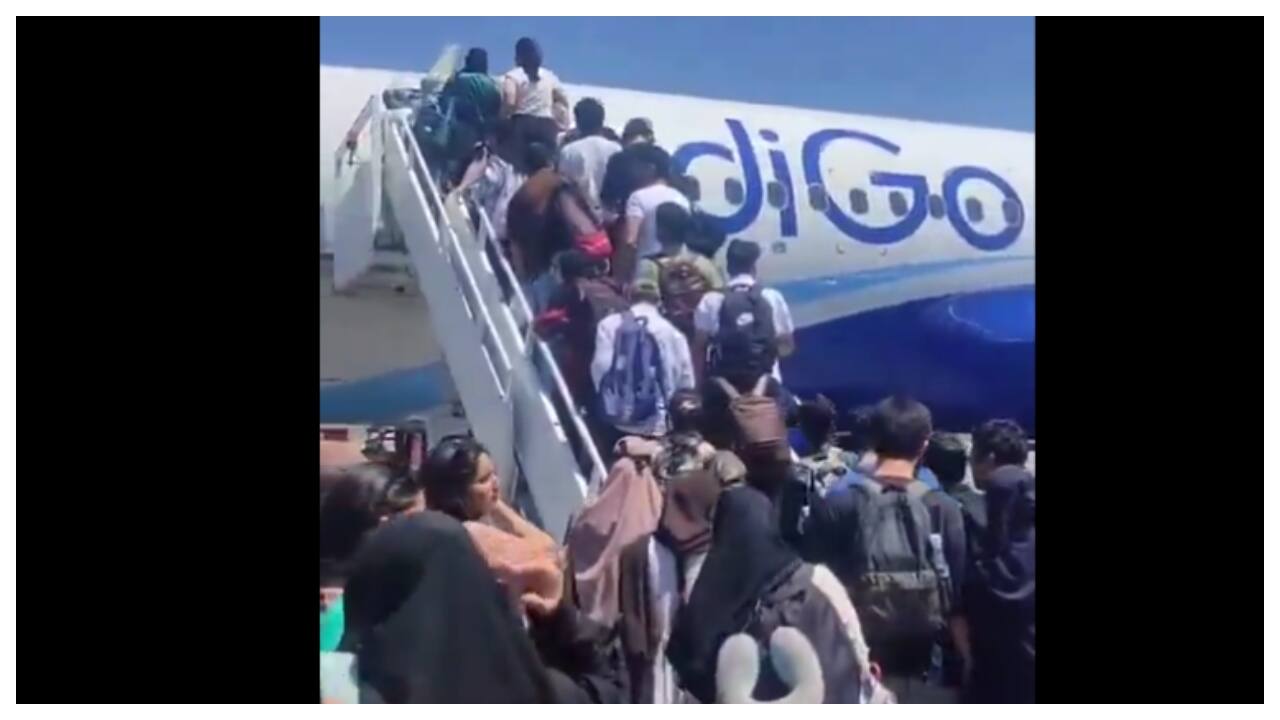
The evacuation of ninety Kashmiri students from Armenia to India amidst the backdrop of escalating tensions between Israel and Iran highlights the complex geopolitical landscape and its direct impact on civilian populations. The event underscores the responsibility of governments to ensure the safety and well-being of their citizens abroad, particularly in regions prone to conflict. The decision to evacuate the students signifies a proactive approach by the Indian government, acknowledging the potential risks posed by the burgeoning Israel-Iran conflict and prioritizing the security of its citizens. Armenia, while not directly involved in the conflict, likely became a transit point for evacuation due to its relatively stable environment compared to other nations in the region directly bordering Israel or Iran. The role of the Jammu and Kashmir Students Association (JKSA) in facilitating the evacuation and subsequently expressing gratitude to Prime Minister Narendra Modi and External Affairs Minister S Jaishankar indicates a collaborative effort between government agencies and student organizations in addressing the crisis. This cooperation is crucial in ensuring the efficient and coordinated execution of evacuation operations, minimizing the stress and uncertainty faced by the students. The use of an IndiGo flight for the evacuation suggests logistical planning and resource allocation by the Indian government to expedite the return of the students. The presence of visuals from Zvartnots International Airport in Armenia further corroborates the event and provides a tangible depiction of the evacuation process. The situation also raises questions about the long-term implications of the Israel-Iran conflict on regional stability and the potential for further displacement of populations. It emphasizes the need for diplomatic efforts to de-escalate tensions and prevent further escalation of violence. The evacuation serves as a reminder of the interconnectedness of global events and the importance of international cooperation in addressing humanitarian crises. It also highlights the vulnerability of student populations who may be studying abroad in regions affected by political instability or armed conflict. In the coming days and weeks, it will be important to monitor the situation in the Middle East and assess the potential for further evacuations or other measures to protect Indian citizens abroad. The government's response to this crisis will likely be scrutinized and judged based on its effectiveness in ensuring the safety and well-being of its citizens. This event serves as a case study in crisis management and highlights the importance of preparedness, coordination, and communication in addressing emergency situations.
The geopolitical dynamics between Israel and Iran are deeply rooted in historical, religious, and political factors. The rivalry between the two nations has manifested in proxy conflicts across the Middle East, including in Syria, Lebanon, and Yemen. The escalation of tensions in recent years has raised concerns about the potential for a direct military confrontation between the two countries. The Israeli government views Iran's nuclear program and its support for militant groups as a major threat to its national security. Iran, on the other hand, perceives Israel as a destabilizing force in the region and accuses it of undermining its interests. The United States has played a significant role in the conflict, providing military and financial support to Israel and imposing sanctions on Iran. The international community has repeatedly called for de-escalation and a peaceful resolution to the conflict, but efforts to mediate a solution have been largely unsuccessful. The potential for a wider conflict in the Middle East has significant implications for global security and the world economy. The region is a major producer of oil and gas, and any disruption to supplies could have a significant impact on global energy markets. The conflict could also lead to a humanitarian crisis, with millions of people displaced from their homes. The role of external actors, such as Russia and China, in the region further complicates the situation. These countries have different interests and priorities, and their involvement could either help to de-escalate the conflict or exacerbate tensions. The evacuation of Kashmiri students from Armenia highlights the potential consequences of the Israel-Iran conflict for ordinary people. It serves as a reminder of the human cost of political instability and the importance of finding peaceful solutions to international disputes. The international community must work together to prevent further escalation of the conflict and to ensure the safety and well-being of civilians.
The response of the Indian government to the evacuation of Kashmiri students from Armenia demonstrates its commitment to protecting its citizens abroad. The swift and coordinated action taken by the government, in collaboration with the JKSA and IndiGo, highlights the importance of preparedness and effective crisis management. The evacuation operation also underscores the role of diplomacy in ensuring the safety of citizens in conflict zones. The government's ability to negotiate with Armenian authorities and secure the necessary permits for the evacuation is a testament to its diplomatic capabilities. The expression of gratitude by the JKSA to Prime Minister Modi and External Affairs Minister Jaishankar reflects the appreciation of the students and their families for the government's efforts. The evacuation operation is likely to enhance the government's credibility and strengthen its relationship with the Kashmiri community. The government's response to the crisis also serves as a message to other countries that India is committed to protecting its citizens abroad and will take necessary action to ensure their safety. The evacuation operation is a reminder of the importance of consular services and the need for embassies and consulates to be prepared to assist citizens in distress. The government's investment in consular services and its efforts to strengthen diplomatic ties with other countries are crucial in ensuring the safety and well-being of Indian citizens abroad. The evacuation operation also highlights the importance of public-private partnerships in addressing humanitarian crises. The collaboration between the government, the JKSA, and IndiGo demonstrates the effectiveness of such partnerships in responding to emergencies. The government's ability to mobilize resources and coordinate efforts across different sectors is essential in ensuring the success of evacuation operations.
The situation faced by the Kashmiri students in Armenia underscores the challenges faced by students studying abroad in politically unstable regions. These students often face language barriers, cultural differences, and financial constraints, which can make it difficult for them to cope with emergency situations. The evacuation operation highlights the need for universities and educational institutions to provide support and resources to international students. This support should include pre-departure training, emergency contact information, and access to mental health services. The government also has a role to play in providing support to international students, particularly those from vulnerable communities. This support should include financial assistance, visa assistance, and access to consular services. The evacuation operation also raises questions about the long-term impact of the Israel-Iran conflict on the education of Kashmiri students. Many of these students may have been forced to interrupt their studies and may face difficulties in returning to their universities. The government and educational institutions should work together to provide these students with opportunities to continue their education and to mitigate the negative impact of the conflict on their academic progress. The evacuation operation also highlights the importance of cultural exchange programs in fostering understanding and cooperation between different countries. These programs can help to break down stereotypes and promote empathy, which can contribute to a more peaceful and stable world. The government should continue to invest in cultural exchange programs and to encourage students to study abroad in diverse regions. The evacuation operation serves as a reminder of the importance of education in promoting peace and development. Education can empower individuals and communities to overcome challenges and to build a better future. The government should continue to prioritize education and to ensure that all students have access to quality education, regardless of their background or circumstances.
Looking forward, the international community must address the root causes of the Israel-Iran conflict to prevent further escalation and displacement of populations. Diplomatic efforts, mediation, and dialogue are crucial in de-escalating tensions and finding peaceful solutions to the conflict. The United Nations and other international organizations should play a more active role in facilitating negotiations and promoting reconciliation between the two countries. The international community must also address the humanitarian consequences of the conflict, providing assistance to refugees and internally displaced persons. This assistance should include food, shelter, medical care, and education. The international community must also work to protect civilians from violence and to ensure that all parties to the conflict respect international humanitarian law. The role of regional actors in the conflict is also crucial. Countries such as Saudi Arabia, Turkey, and Qatar can play a constructive role in mediating between Israel and Iran and in promoting regional stability. These countries should work together to address the underlying causes of the conflict and to create a more peaceful and prosperous region. The international community must also address the issue of nuclear proliferation in the Middle East. The development of nuclear weapons by either Israel or Iran would have devastating consequences for the region and the world. The international community must work together to prevent nuclear proliferation and to promote nuclear disarmament. The evacuation of Kashmiri students from Armenia serves as a wake-up call to the international community. The conflict between Israel and Iran is a serious threat to international peace and security, and it requires urgent attention. The international community must work together to address the root causes of the conflict, to prevent further escalation, and to protect civilians from violence.
Furthermore, the event raises important questions about the future of international relations and the role of non-state actors in shaping global events. The involvement of the Jammu and Kashmir Students Association (JKSA) in facilitating the evacuation highlights the growing influence of civil society organizations in addressing humanitarian crises. These organizations can often provide valuable assistance to governments and international organizations in responding to emergencies. The evacuation also underscores the importance of technology in facilitating communication and coordination during crises. Social media platforms and mobile communication devices can be used to disseminate information, connect with people in need, and coordinate relief efforts. The government and international organizations should invest in technology and training to enhance their ability to respond to emergencies. The evacuation operation also highlights the importance of cross-cultural understanding and communication. Effective communication between government officials, aid workers, and the affected population is essential in ensuring the success of evacuation operations. The government and international organizations should invest in training to enhance their cultural sensitivity and communication skills. The evacuation operation also serves as a reminder of the importance of resilience and community solidarity. The Kashmiri students who were evacuated from Armenia demonstrated remarkable resilience in the face of adversity. The support they received from their families, friends, and community helped them to cope with the stress and uncertainty of the evacuation. The government and international organizations should work to strengthen community resilience and to promote social cohesion. The evacuation operation is a testament to the power of human compassion and solidarity. The people who assisted in the evacuation, including government officials, aid workers, and volunteers, demonstrated a deep commitment to helping others. Their actions are an inspiration to us all and a reminder of the importance of human kindness. The evacuation operation is a symbol of hope in a world filled with conflict and uncertainty. It demonstrates that even in the darkest of times, people can come together to help each other and to build a better future.
In conclusion, the evacuation of ninety Kashmiri students from Armenia amid escalating Israel-Iran conflict is a multifaceted event with significant implications. It highlights the human cost of geopolitical tensions, the importance of government responsibility in ensuring citizen safety, the role of international cooperation in addressing humanitarian crises, and the resilience of communities in the face of adversity. The event serves as a reminder of the interconnectedness of global events and the need for peaceful solutions to international disputes. The response of the Indian government, in collaboration with the JKSA and IndiGo, demonstrates the effectiveness of preparedness, coordination, and communication in addressing emergency situations. The evacuation operation is a symbol of hope and a testament to the power of human compassion. As the situation in the Middle East continues to evolve, it is crucial for the international community to remain vigilant and to work together to prevent further escalation of the conflict and to protect civilians from violence. The evacuation of the Kashmiri students is a reminder that every life matters and that we must all strive to create a more peaceful and just world. The lessons learned from this event can be applied to future crises and can help us to better prepare for and respond to emergencies. The evacuation is a call to action for governments, international organizations, and individuals to work together to address the challenges facing our world and to build a better future for all. The event is a reminder that we are all connected and that we must all do our part to create a more peaceful and sustainable world.
The need for proactive measures in international relations is further emphasized by this situation. The swift action taken by the Indian government indicates a shift towards prioritizing the safety and well-being of its citizens abroad, even in situations where the threat is perceived as potential rather than imminent. This proactive approach is crucial in an increasingly volatile global landscape, where conflicts can erupt quickly and unexpectedly. Governments must invest in intelligence gathering, risk assessment, and contingency planning to effectively protect their citizens in foreign countries. This includes establishing clear communication channels, developing evacuation plans, and securing agreements with other countries to facilitate the movement of citizens during times of crisis. The evacuation of the Kashmiri students also highlights the importance of investing in education and promoting international understanding. By encouraging students to study abroad, governments can foster cross-cultural awareness and build bridges between nations. However, it is also essential to provide students with the necessary support and resources to navigate the challenges of living and studying in foreign countries, including access to consular services, mental health support, and emergency assistance. The evacuation operation also serves as a reminder of the importance of maintaining strong diplomatic ties with other countries. Good relations with other nations can facilitate cooperation during times of crisis and ensure that governments can effectively protect their citizens abroad. This includes building trust, fostering mutual understanding, and engaging in regular dialogue to address shared challenges. The evacuation operation is a testament to the importance of investing in national security and defense. A strong military and a capable intelligence apparatus are essential for protecting a country's interests and ensuring the safety of its citizens. Governments must invest in these areas to deter aggression, respond to threats, and project power abroad. The evacuation operation is a reminder that the world is a dangerous place and that we must be prepared to defend ourselves and our interests. It is a call to action for governments to invest in national security, promote international understanding, and prioritize the safety and well-being of their citizens abroad.