
 |
|
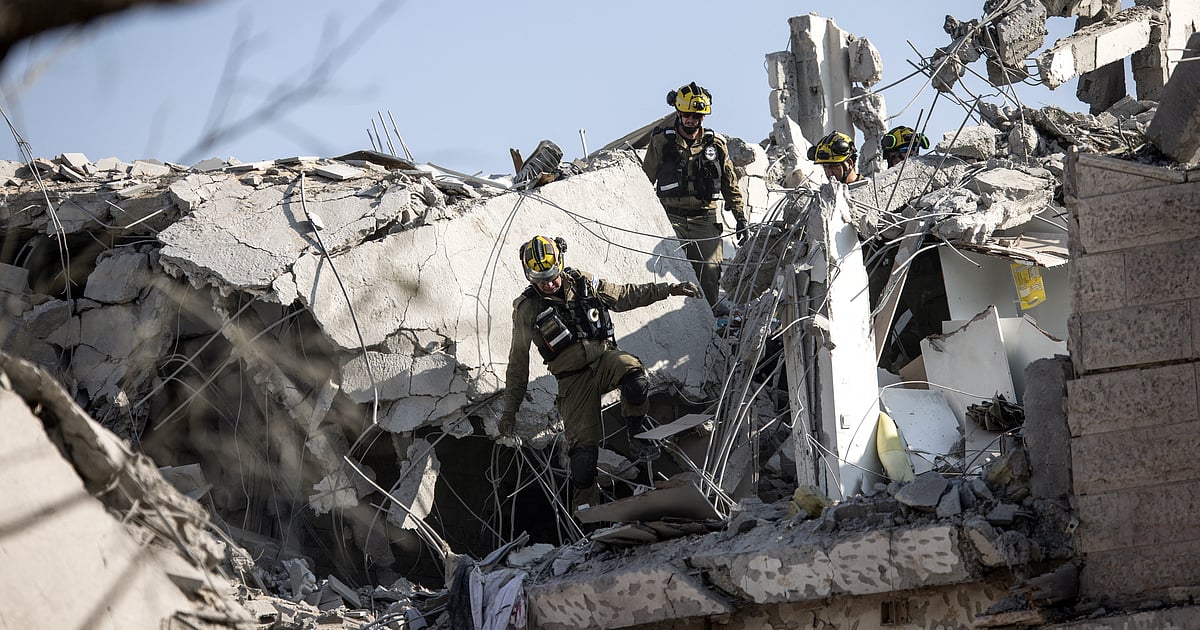
The escalating tensions between Iran and Israel have sent ripples of anxiety and fear through the families of students from Jammu and Kashmir who are currently pursuing their education in Iran. The recent Israeli strike, reportedly hitting the vicinity of a student hostel in Tehran, has amplified these concerns, prompting desperate pleas for the safe evacuation of these students. The situation highlights the precarious position of individuals caught in the crossfire of international conflicts, and the urgent need for swift and decisive action to ensure their safety and well-being. The emotional distress of the parents, coupled with the palpable fear experienced by the students themselves, underscores the human cost of geopolitical instability. This incident serves as a stark reminder of the interconnectedness of the world and the far-reaching consequences of international conflicts on individuals and communities far removed from the immediate battlegrounds. The Jammu and Kashmir Students Association's account of the incident, confirming minor injuries and widespread trauma among the students, further emphasizes the urgency of the situation. The association's call for intervention from the government highlights the limitations of individual efforts in addressing such complex and large-scale crises. The reliance on governmental support underscores the crucial role of diplomacy and international relations in safeguarding the interests and safety of citizens abroad. The incident also raises questions about the safety protocols and emergency preparedness measures in place for international students in conflict-prone regions. Are adequate measures in place to protect students in such circumstances? Are evacuation plans readily available and regularly updated? The response to this crisis will undoubtedly shape future policies and protocols regarding the safety and security of students studying abroad. The plea from Suhail Mazamil Qadri, a parent of a student in Tehran, reflects the shared anxiety and desperation felt by many families back in Jammu and Kashmir. His words underscore the profound sense of helplessness experienced by parents who are unable to directly protect their children from harm. The vulnerability of these students, far from home and caught in the midst of a volatile geopolitical situation, elicits a deep sense of empathy and concern. The request for intervention from the J&K government, the Ministry of External Affairs, and the Government of India reflects the hope that collective action can bring about a swift and positive resolution to this crisis. The families are placing their faith in the ability of these institutions to navigate the complex diplomatic and logistical challenges involved in evacuating their children from Iran. The situation calls for a coordinated and collaborative effort, involving not only governmental agencies but also diplomatic missions, educational institutions, and international organizations. A comprehensive approach is needed to ensure the safe and orderly evacuation of the students, while also providing them with the necessary support and counseling to cope with the trauma they have experienced. The long-term psychological impact of this experience on the students should not be underestimated. Many of them may suffer from post-traumatic stress, anxiety, and depression. It is crucial to provide them with access to mental health services and support networks to help them recover and rebuild their lives. The government should also consider providing financial assistance to the families of these students to help them cover the costs of evacuation, medical care, and other related expenses. This gesture of support would not only alleviate the financial burden on these families but also demonstrate the government's commitment to their well-being. The incident also raises broader questions about the future of international education in conflict-prone regions. Should students be discouraged from studying in such areas? Should universities and educational institutions be held accountable for ensuring the safety of their students abroad? These are complex questions that require careful consideration and debate. However, one thing is clear: the safety and well-being of students must be paramount. The current crisis serves as a wake-up call, reminding us of the importance of proactive measures, effective communication, and robust international cooperation in protecting the lives of those who venture beyond their borders in pursuit of knowledge and education. The unfolding situation demands a swift, compassionate, and comprehensive response to ensure the safety and well-being of the students from Jammu and Kashmir studying in Iran. The families back home are waiting anxiously for news, hoping that their pleas will be heard and that their children will soon be safely evacuated from harm's way. The government must act decisively to alleviate their fears and bring these students home safely.
Source: Worried J&K families seek safe evacuation of students studying in Iran