
 |
|
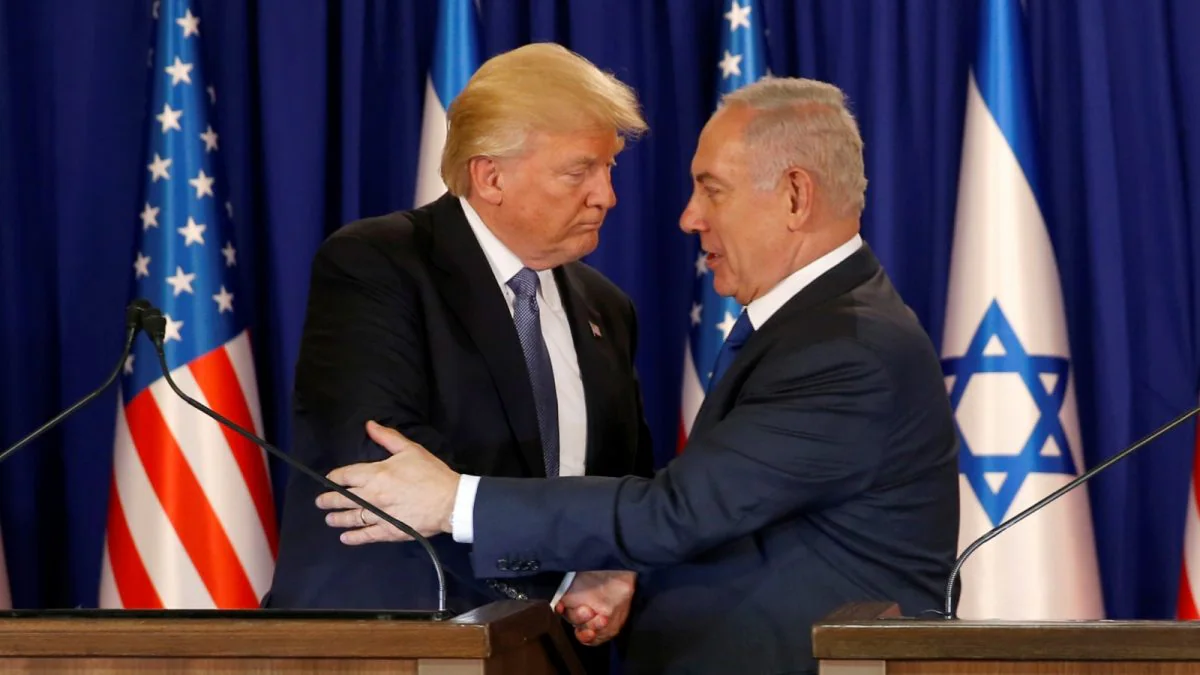
The article details the issuance of a fatwa by Iranian Shiite cleric Grand Ayatollah Naser Makarem Shirazi against former US President Donald Trump and Israeli Prime Minister Benjamin Netanyahu. The fatwa labels them as “enemies of God” (moharebeh) and calls upon Muslims worldwide to take action, urging them to make Trump and Netanyahu “regret their words and mistakes.” The fatwa is contextualized within the recent Israel-Iran conflict and the subsequent US intervention. The cleric's pronouncement defines anyone threatening or attacking Islamic leadership and sovereignty as a moharebeh, forbidding support or cooperation with such figures. He assures Muslims who suffer hardships in their efforts against Trump and Netanyahu that they will be rewarded as “mujahid fi sabilillah” – warriors in the path of God. This fatwa adds another layer of complexity to the already strained relations between Iran, the United States, and Israel, potentially inciting further animosity and prompting individuals or groups to take actions inspired by the religious decree.
The article further explains the term “moharebeh,” defining it according to Iran’s Islamic Penal Code as “drawing a weapon on the life, property, or chastity of people or to cause terror, in a way that creates insecurity in the environment.” This definition is broad and can be interpreted to encompass a wide range of actions deemed threatening to the state or its citizens. The penalty for being convicted of moharebeh is severe, including the death penalty. The article provides historical examples of the application of moharebeh charges in Iran, starting with the mass executions following the 1979 Islamic Revolution, where thousands of people, particularly leftists, communists, and opponents of Ayatollah Khomeini, were branded as moharebeh and executed. The article also mentions the 2009 post-election protests, where some demonstrators were charged with moharebeh and executed, and the more recent 2022-2023 Mahsa Amini protests, during which several young protesters were sentenced to death under moharebeh or “corruption on Earth.” These examples illustrate how the Iranian government has used the charge of moharebeh to suppress dissent and eliminate political opponents.
The Iranian legal system, as the article describes, is based on the Islamic Penal Code, enacted in 2012 and in effect since 2013. This code draws heavily from Islamic Sharia law, particularly the Shia Jaafari school of jurisprudence. Key components of the code include Hudud (fixed punishments for crimes against God), Qisas (retribution), Diyyeh (blood money), and Tazir (discretionary punishments). The application of these Islamic legal principles within Iran’s judicial system has been a subject of international scrutiny, with human rights organizations often criticizing the lack of due process, unfair trials, and the use of harsh punishments, including the death penalty, for offenses that are not considered capital crimes under international law. The article's detailing of the legal system provides context for understanding the potential consequences of the fatwa issued against Trump and Netanyahu, highlighting the severity with which the Iranian government can respond to perceived threats to its authority or the security of the state.
The issuance of this fatwa needs to be understood in the broader geopolitical context of the Middle East. The rivalry between Iran and Israel, fueled by ideological differences and competing regional ambitions, has been a constant source of tension. The United States, as a key ally of Israel and a historical adversary of Iran, is deeply involved in the region's dynamics. The fatwa can be seen as a symbolic act of defiance against both the US and Israel, particularly in the wake of the recent conflict that saw US intervention. While the fatwa itself may not directly lead to violence, it could inspire individuals or groups sympathetic to Iran to take actions against Trump, Netanyahu, or their perceived allies. The article's reference to mujahid fi sabilillah, or warriors in the path of God, underscores the potential for the fatwa to be interpreted as a call to arms by some. This risk is further amplified by the historical examples provided in the article, which demonstrate the Iranian government's willingness to use religious justifications to legitimize political repression and violence.
Furthermore, the international implications of this fatwa are significant. It potentially complicates diplomatic efforts to de-escalate tensions in the Middle East and could further isolate Iran on the global stage. Western governments are likely to condemn the fatwa as incitement to violence and a violation of international norms. Human rights organizations will likely raise concerns about the safety of Trump and Netanyahu, as well as the potential for the fatwa to be used as a pretext for further repression within Iran. The incident also raises questions about the role of religious leaders in international politics and the responsibility of religious authorities to promote peace and understanding, rather than inciting hatred and violence. The article, by presenting a factual account of the fatwa and its historical context, serves as a valuable resource for understanding the complex interplay of religion, politics, and international relations in the Middle East.
The fatwa also has ramifications for the perception of Islam within the international community. Actions and statements by influential religious figures like Grand Ayatollah Naser Makarem Shirazi are often perceived, rightly or wrongly, as representative of the broader Muslim world. This fatwa, which effectively calls for harm to be inflicted on political leaders, can fuel Islamophobia and reinforce negative stereotypes about Islam as a violent and intolerant religion. It is crucial to differentiate between the actions of a specific individual or group and the beliefs and practices of the vast majority of Muslims who advocate for peace and justice. The article does not delve into the broader issue of Islamophobia or attempt to contextualize the fatwa within the diversity of Islamic thought, which could be seen as a limitation. However, it provides a starting point for further exploration of these complex issues.
In conclusion, the article presents a concise and informative overview of the fatwa issued by Grand Ayatollah Naser Makarem Shirazi against Donald Trump and Benjamin Netanyahu. It effectively contextualizes the fatwa within the historical, political, and legal framework of Iran, highlighting the potential consequences of the religious decree and its implications for international relations. While the article focuses primarily on the factual aspects of the event, it implicitly raises important questions about the role of religion in politics, the use of religious justifications for violence, and the potential for incitement and extremism. Further analysis could explore the broader implications of the fatwa for the perception of Islam, the dynamics of the Middle East conflict, and the efforts to promote peace and understanding in the region. The significance of the date June 30, 2025 is also an important area to further research as this could be connected to a larger world event that would explain this fatwa. While the article does not explicitly state the reasoning behind the timing of the fatwa, it is important to consider potential factors such as political pressure, regional conflicts, or domestic unrest within Iran.
The potential impact of this fatwa should not be underestimated. While it is difficult to predict with certainty how it will play out, it is clear that the situation warrants close monitoring and careful diplomacy. The actions and reactions of various actors, including the Iranian government, the US government, the Israeli government, and individuals or groups inspired by the fatwa, will shape the future of the region. It is essential that efforts are made to de-escalate tensions, promote dialogue, and prevent further violence. The international community has a responsibility to hold all parties accountable for their actions and to ensure that human rights and international law are respected. The article serves as a reminder of the fragility of peace and the importance of vigilance in the face of conflict. The historical context provided by the article shows a pattern of religious justifications being used to enact violence. The implications of a new religious justification being used in the present are that a new wave of violence may be close at hand. The article is critical in helping readers understand the importance of monitoring the situation.
The Iranian government's history of using religious charges, such as moharebeh, to suppress dissent and eliminate political opponents is a crucial aspect of understanding the significance of this fatwa. The examples cited in the article, from the mass executions following the 1979 Islamic Revolution to the more recent cases during the Mahsa Amini protests, demonstrate a consistent pattern of abuse of power under the guise of religious law. This pattern raises serious concerns about the potential for the fatwa to be used as a pretext for further repression within Iran, particularly targeting individuals or groups perceived as critical of the government or sympathetic to the US or Israel. The international community must remain vigilant in monitoring the human rights situation in Iran and hold the government accountable for any violations of international law. The use of moharebeh as a means of silencing opposition highlights the authoritarian nature of the Iranian regime and the need for greater transparency and accountability. The actions of the government must be put under intense scrutiny to protect the rights of the people of Iran.
Finally, the article's emphasis on the legal basis of the moharebeh charge within the Iranian Islamic Penal Code is important for understanding the framework within which the fatwa is operating. The fact that the charge is codified in law gives it a veneer of legitimacy, even though its application is often arbitrary and politically motivated. The article's explanation of the Islamic Sharia law basis for the code, including concepts like Hudud, Qisas, Diyyeh, and Tazir, provides context for understanding the cultural and religious underpinnings of the Iranian legal system. However, it is important to recognize that these concepts are subject to different interpretations and that the Iranian government's interpretation is often controversial and at odds with international human rights standards. The article's objective presentation of these facts is valuable for informing readers about the complexities of the Iranian legal system, but it is also important to critically examine the implications of that system for human rights and the rule of law. The fatwa represents an alarming escalation in rhetoric, but the true ramifications will depend on the concrete actions taken by individuals, groups, and governments in response. It is critical for those in positions of power to choose the path of de-escalation, dialogue, and respect for international law in order to prevent further conflict and suffering.
The potential consequences of the fatwa could manifest in various forms, ranging from increased propaganda and disinformation campaigns targeting Trump and Netanyahu to actual physical attacks carried out by individuals or groups inspired by the religious decree. It is important to recognize that the fatwa itself is a form of incitement to violence, even if it does not explicitly call for specific actions. By labeling Trump and Netanyahu as “enemies of God” and urging Muslims to make them “regret their words,” the fatwa creates a climate of hostility and encourages individuals to take matters into their own hands. This risk is particularly acute in the current environment of heightened political polarization and social unrest, where extremist ideologies are gaining traction and violence is often seen as a legitimate means of achieving political goals. The need for law enforcement agencies and intelligence services to remain vigilant and proactively address any potential threats cannot be overstated. It is imperative that they work to identify and disrupt any plots or conspiracies inspired by the fatwa and to ensure the safety and security of Trump, Netanyahu, and other individuals who may be targeted.
The role of social media in spreading the fatwa and amplifying its message should also be considered. In today's interconnected world, information and disinformation can spread rapidly through online platforms, reaching vast audiences in a matter of minutes. Social media can be used to disseminate propaganda, recruit followers, and coordinate attacks. It is important for social media companies to take steps to prevent their platforms from being used to promote violence and incitement. This includes removing content that violates their terms of service, working with law enforcement to identify and track potential threats, and promoting counter-narratives that challenge extremist ideologies. However, it is also important to balance these efforts with the need to protect freedom of speech and avoid censorship. The challenge lies in finding effective strategies for combating online extremism without infringing on fundamental rights. The Iranian government's attempts to control and censor the internet within Iran further complicate the situation and make it more difficult to counter the spread of propaganda and disinformation. The article's brief coverage of the Iranian legal system makes it crucial for readers to understand the complexity of the geopolitical region.
The international community's response to the fatwa will be critical in shaping its long-term impact. It is important for governments and international organizations to issue strong condemnations of the fatwa and to reaffirm their commitment to international law and the peaceful resolution of disputes. They should also work together to de-escalate tensions in the Middle East and to address the underlying causes of conflict and instability. This includes promoting dialogue and diplomacy, supporting efforts to resolve regional conflicts, and addressing issues such as poverty, inequality, and political repression. It is also important to hold Iran accountable for its actions and to ensure that it complies with international law. This could include imposing sanctions, restricting diplomatic relations, and pursuing legal action through international courts. However, it is also important to engage with Iran and to find ways to promote constructive dialogue and cooperation. The goal should be to create a more stable and peaceful region, where all countries can coexist and prosper. It is important to remember that the fatwa represents the views of a specific individual and does not reflect the beliefs of all Iranians or all Muslims. It is important to avoid generalizations and to promote understanding and respect between cultures and religions. The article shows the dangerous history of the Islamic Republic.
Source: Trump-Netanyahu Fatwa: Has Iran Ever Punished ‘Enemies Of God’? How?