
 |
|
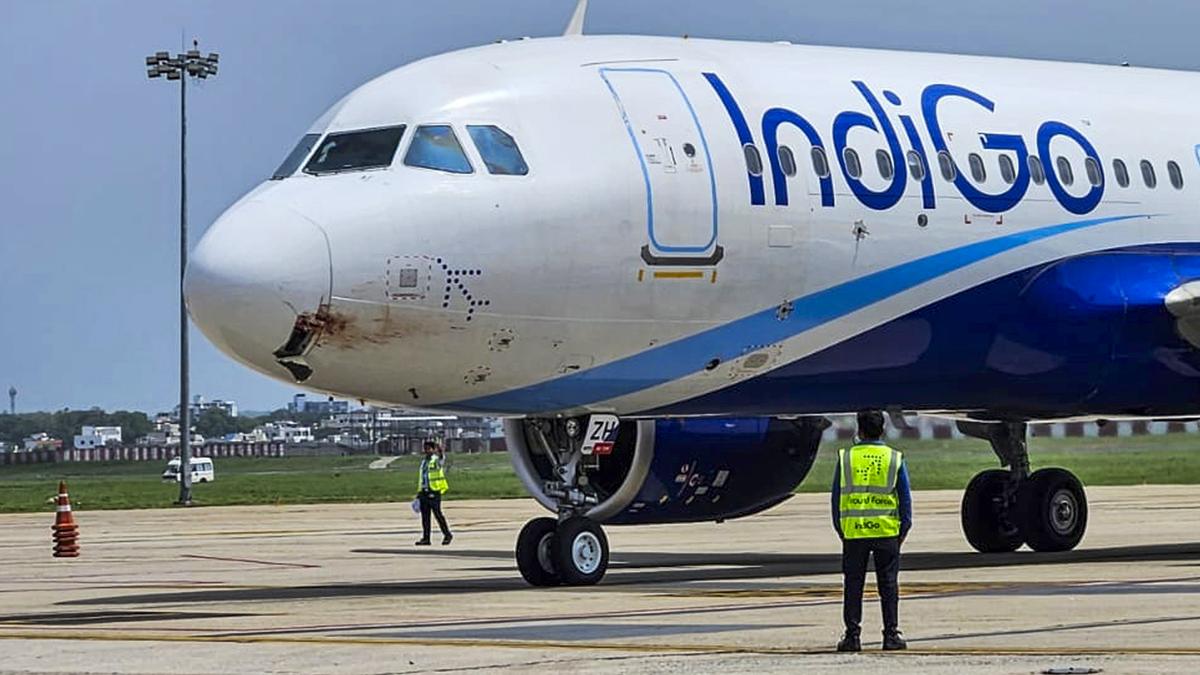
The incident involving an IndiGo flight at Ranchi’s Birsa Munda Airport highlights the ever-present risks associated with aviation, particularly those posed by wildlife. Bird strikes, as they are commonly known, are a significant concern for airlines worldwide, and they can lead to a range of outcomes from minor damage to catastrophic engine failure and subsequent crashes. The fact that the IndiGo flight, carrying approximately 175 passengers, managed to land safely is a testament to the skill and training of the pilots involved, as well as the redundancy built into modern aircraft systems. However, the incident also underscores the need for continued efforts to mitigate the risk of bird strikes at airports and along flight paths. Several factors contribute to the likelihood of bird strikes. Proximity to bird habitats, migration patterns, and the presence of food sources near airports all play a role. Airports located near wetlands, forests, or agricultural areas tend to experience higher rates of bird strikes. In addition, certain species of birds are more prone to striking aircraft than others, often due to their size, flight patterns, and flocking behavior. Vultures, as reported in this incident, are particularly dangerous due to their large size and soaring habits. Addressing the issue of bird strikes requires a multi-faceted approach. One crucial aspect is habitat management around airports. This can involve measures such as reducing the availability of food sources for birds, modifying vegetation to make it less attractive to nesting birds, and implementing bird scaring techniques. Bird scaring techniques can include the use of loud noises, visual deterrents such as strobe lights, and even trained birds of prey to deter other birds from the area. Another important aspect is the development of advanced detection and warning systems. These systems can use radar, thermal imaging, and other technologies to detect the presence of birds near the airport and provide timely warnings to pilots. This allows pilots to take evasive action or delay takeoffs or landings if necessary. Aircraft manufacturers also play a role in mitigating the risk of bird strikes. Aircraft engines are designed to withstand a certain level of bird ingestion, and ongoing research is focused on developing engines that are even more resistant to bird strikes. In addition, aircraft windshields and other vulnerable components are designed to withstand impacts from birds. The economic impact of bird strikes is substantial. In addition to the cost of repairing damaged aircraft, bird strikes can also lead to flight delays, cancellations, and increased insurance premiums. In some cases, bird strikes can even result in accidents that cause significant injuries or fatalities. For these reasons, airlines and airports invest heavily in bird strike prevention and mitigation measures. The specific measures taken at each airport will vary depending on the local environment and the types of birds that are prevalent in the area. However, the overall goal is to reduce the risk of bird strikes to the greatest extent possible. In the case of the IndiGo flight at Ranchi airport, the fact that the aircraft suffered a dent after being hit by a vulture suggests that the impact was significant. While the passengers and crew were fortunate to escape unharmed, the incident serves as a reminder of the potential dangers posed by bird strikes. The engineers who are assessing the damage to the aircraft will need to determine the extent of the repairs that are necessary before the aircraft can be returned to service. This could involve replacing damaged panels, inspecting the engine for internal damage, and conducting a thorough safety inspection. The incident will also likely prompt a review of the bird strike prevention measures at Ranchi airport to identify any areas where improvements can be made. This could include increasing the frequency of bird patrols, implementing additional bird scaring techniques, or modifying the surrounding habitat to make it less attractive to birds. Ultimately, the goal is to ensure the safety of passengers and crew by reducing the risk of bird strikes to the greatest extent possible. The aviation industry is committed to continuous improvement in this area, and ongoing research and development efforts are focused on developing new and innovative ways to mitigate the risk of bird strikes. The safe landing of the IndiGo flight is a positive outcome, but it also serves as a reminder of the importance of vigilance and proactive measures in preventing bird strikes. It is critical that all stakeholders, including airlines, airports, aircraft manufacturers, and government agencies, work together to address this ongoing challenge. Only through a coordinated and sustained effort can we hope to minimize the risk of bird strikes and ensure the continued safety of air travel.
The rapid growth of air travel in India has placed increased strain on existing infrastructure, including airports and air traffic control systems. This growth has also led to a greater number of aircraft operating in close proximity to each other, which increases the risk of accidents and incidents. The fact that the IndiGo flight was coming from Patna and was scheduled to go to Kolkata after landing in Ranchi highlights the busy nature of air traffic in the region. The incident also underscores the importance of maintaining a high level of safety awareness among pilots and air traffic controllers. Pilots must be constantly vigilant for potential hazards, such as birds, other aircraft, and adverse weather conditions. Air traffic controllers must ensure that aircraft are properly separated and that they are provided with timely and accurate information about potential hazards. In the case of the IndiGo flight, the pilot’s quick thinking and skillful handling of the aircraft likely played a crucial role in preventing a more serious outcome. The pilot was able to maintain control of the aircraft despite the impact of the bird strike and safely land the aircraft at Ranchi airport. This demonstrates the importance of rigorous training and experience for pilots. The incident also highlights the importance of adhering to established safety procedures. Airlines and airports have developed detailed procedures for responding to bird strikes and other emergencies. These procedures are designed to ensure that all necessary steps are taken to protect the safety of passengers and crew. In the aftermath of the bird strike, the crew of the IndiGo flight followed these procedures to ensure that the aircraft was safely landed and that the passengers were evacuated. The fact that all of the passengers and crew members were safe is a testament to the effectiveness of these procedures. The incident also serves as a reminder of the importance of transparency and communication in the aviation industry. Airlines and airports have a responsibility to provide accurate and timely information to passengers and the public about accidents and incidents. This helps to build trust and confidence in the safety of air travel. In the case of the IndiGo flight, the airline issued a statement confirming the incident and providing details about the steps that were being taken to ensure the safety of the passengers and crew. The airport director also provided information to the media about the incident. This transparency helped to allay any fears or concerns that passengers or the public may have had. The aviation industry is constantly evolving, and new technologies and procedures are being developed to improve safety. These include advanced radar systems, improved weather forecasting, and more sophisticated aircraft designs. The incident involving the IndiGo flight serves as a reminder of the importance of continuing to invest in these technologies and procedures. By doing so, we can help to reduce the risk of accidents and incidents and ensure the continued safety of air travel. The investigation into the bird strike will likely focus on several key areas. These include determining the species of bird that was involved in the strike, identifying the factors that contributed to the bird strike, and evaluating the effectiveness of the bird strike prevention measures at Ranchi airport. The findings of the investigation will be used to make recommendations for improvements to safety procedures and practices. These recommendations may include changes to airport operations, aircraft design, or pilot training. The goal is to prevent similar incidents from occurring in the future. The incident also highlights the importance of public awareness about the risks of bird strikes. Passengers should be aware of the potential for bird strikes and should follow the instructions of the crew in the event of an emergency. Airports should also educate the public about the measures that are being taken to prevent bird strikes. By working together, we can help to reduce the risk of bird strikes and ensure the continued safety of air travel.
The broader implications of the IndiGo flight incident extend beyond the immediate safety concerns. The reliability of air travel is crucial for economic growth and connectivity. Disruptions, even minor ones, can have cascading effects on schedules, tourism, and business operations. The need for a swift and efficient response to such incidents is therefore paramount. This includes not only the immediate actions taken by the pilots and airport personnel but also the subsequent investigation and implementation of preventative measures. The incident also raises questions about the environmental impact of aviation. While air travel is an essential part of the modern world, it also contributes to greenhouse gas emissions and other forms of pollution. Efforts to reduce the environmental impact of aviation are becoming increasingly important. These efforts include developing more fuel-efficient aircraft, using sustainable aviation fuels, and improving air traffic management to reduce fuel consumption. The incident also highlights the importance of maintaining a robust regulatory framework for the aviation industry. Government agencies play a crucial role in overseeing the safety and security of air travel. They are responsible for setting standards, conducting inspections, and enforcing regulations. The effectiveness of these agencies is essential for ensuring the continued safety of air travel. The incident also serves as a reminder of the importance of international cooperation in the aviation industry. Air travel is a global activity, and many of the challenges facing the industry are best addressed through international collaboration. This includes sharing information about safety incidents, developing common standards, and coordinating responses to emergencies. The IndiGo flight incident is a reminder that even with the best safety measures in place, accidents and incidents can still occur. It is therefore essential to learn from these events and to continue to strive for improvement. The aviation industry is committed to this goal, and it is constantly working to enhance the safety and security of air travel. The incident also underscores the importance of investing in infrastructure. Airports need to be equipped with the latest technology and have sufficient capacity to handle the growing volume of air traffic. Air traffic control systems need to be modernized to improve efficiency and safety. Failure to invest in infrastructure can lead to delays, congestion, and increased risk of accidents. The incident also highlights the importance of training and education. Pilots, air traffic controllers, and other aviation professionals need to be properly trained and educated to perform their jobs safely and effectively. Ongoing training is essential to ensure that they stay up-to-date on the latest technologies and procedures. The IndiGo flight incident is a reminder that safety is a shared responsibility. Everyone involved in the aviation industry, from pilots and air traffic controllers to airport personnel and government regulators, has a role to play in ensuring the safety of air travel. By working together, we can create a safer and more reliable air transportation system. The long-term consequences of the incident are difficult to predict. However, it is likely that the incident will lead to increased scrutiny of bird strike prevention measures at Ranchi airport and other airports in India. It is also possible that the incident will lead to changes in aircraft design or pilot training. Ultimately, the goal is to prevent similar incidents from occurring in the future. The aviation industry is committed to this goal, and it is constantly working to improve safety. The incident serves as a reminder that vigilance and proactive measures are essential for ensuring the continued safety of air travel. It is critical that all stakeholders, including airlines, airports, aircraft manufacturers, and government agencies, work together to address this ongoing challenge. Only through a coordinated and sustained effort can we hope to minimize the risk of accidents and incidents and ensure the continued safety of air travel.
Source: IndiGo flight suffers bird hit, makes emergency landing at Ranchi airport, passengers safe: Official