
 |
|
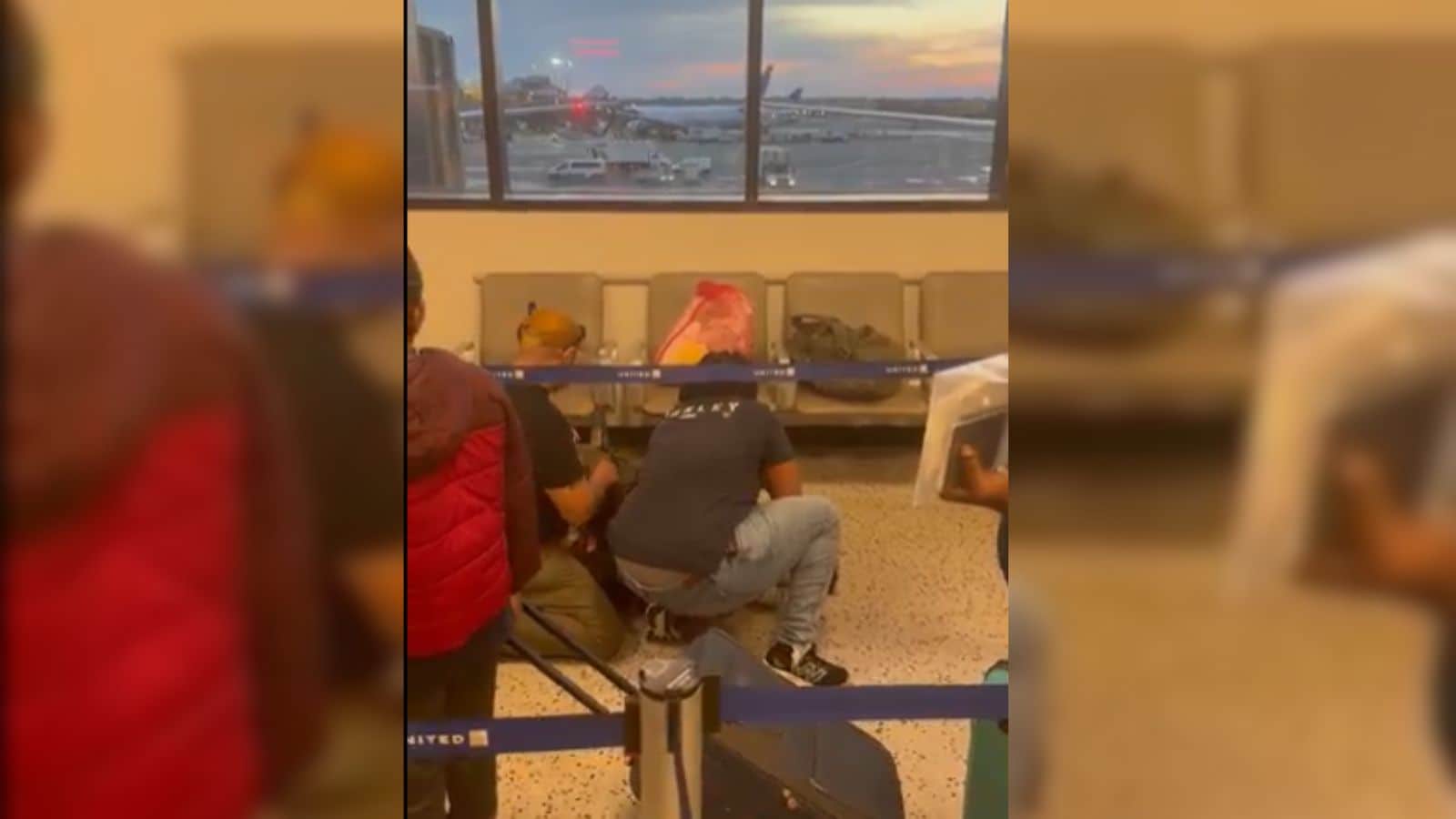
The viral video depicting an Indian student being handcuffed and pinned down at Newark Airport before deportation has ignited a wave of concern and outrage, particularly among the Indian diaspora in the United States. The incident, brought to light by Indo-American social entrepreneur Kunal Jain, underscores the often harsh realities faced by international students navigating the complex immigration system. Jain's account paints a distressing picture of a young man, apparently disoriented and speaking in Haryanvi, being treated like a criminal despite seemingly posing no immediate threat. The incident raises critical questions about the protocols and treatment of individuals undergoing deportation, and whether the force used was proportionate to the situation. It also highlights the vulnerability of international students, often far from home and unfamiliar with the intricacies of US law, who can find themselves caught in bureaucratic processes with little recourse. The fact that Jain witnessed the student being denied boarding on the flight he was scheduled to take, further accentuates the feeling of helplessness and injustice that pervades the narrative. This single incident serves as a microcosm of a larger issue, exposing the anxieties and uncertainties that many international students face when entering or residing in the United States. It is particularly troubling that Jain indicates a pattern of similar cases occurring in recent days, suggesting a potentially systemic problem at Newark Airport. The reported inability of these students to adequately explain the reason for their visit, even after securing visas, points to potential communication breakdowns or misunderstandings that could be exacerbated by cultural and linguistic barriers. This begs the question of whether sufficient support and resources are available to these students to ensure they fully understand their rights and responsibilities upon arrival. Furthermore, the historical data regarding deportations of Indian nationals from the US, cited in the article, reveals a significant trend. While the specific circumstances of each case vary, the sheer number of deportations – over 15,000 between 2009 and 2024 – suggests a stringent immigration enforcement environment. The potential for wrongful deportations, or at least the disproportionate application of force in cases involving students or minor visa violations, warrants careful scrutiny. The incident also underscores the crucial role played by social media in amplifying stories of alleged mistreatment and injustice. Jain's decision to share his experience on X (formerly Twitter) has brought significant attention to the student's plight, prompting calls for investigation and accountability from both the US authorities and the Indian Embassy. The online response to the video and Jain's account reflects a growing awareness of potential immigration abuses and a demand for greater transparency and fairness in the treatment of international students. The call for the Indian Embassy to intervene and investigate the matter further underscores the importance of diplomatic protection and advocacy for Indian citizens abroad. The responsibility of the embassy extends to ensuring that Indian nationals are treated fairly and with respect under the laws of the host country, and to providing assistance in cases where their rights may have been violated. The details provided by Kunal Jain suggest a potential failure in the due process afforded to the student, raising questions about the adequacy of legal representation and the transparency of the deportation process. The emotional impact of such incidents cannot be understated. The fact that the student was reportedly crying and expressing his distress in his native language underscores the sense of isolation and vulnerability he likely experienced. The potential for lasting psychological harm resulting from such treatment is a serious concern, and the need for trauma-informed approaches in immigration enforcement is evident. The incident at Newark Airport serves as a stark reminder of the challenges and potential pitfalls that international students face when pursuing their educational aspirations in the United States. It calls for a thorough examination of existing immigration protocols and a commitment to ensuring that all individuals, regardless of their nationality or visa status, are treated with dignity and respect. Furthermore, it highlights the urgent need for improved communication and cultural sensitivity training for immigration officials, as well as enhanced support services for international students to navigate the complexities of the US immigration system. The long-term ramifications of such incidents extend beyond the individual student involved. Negative experiences can tarnish the reputation of the United States as a welcoming destination for international students, potentially deterring future talent from choosing to study in the country. The US benefits significantly from the presence of international students, who contribute to the academic and economic vitality of the nation. Maintaining a fair and welcoming environment for these students is essential for preserving the US's competitive edge in higher education and innovation. To mitigate future incidents, several measures could be implemented. Firstly, greater transparency in the deportation process is crucial. Providing clear and accessible information to individuals facing deportation, including their rights and options for legal representation, is essential. Secondly, independent oversight of immigration enforcement practices is necessary to ensure accountability and prevent abuse. Thirdly, strengthening communication and cultural sensitivity training for immigration officials can help to reduce misunderstandings and promote respectful interactions. Fourthly, providing robust support services for international students, including legal aid, counseling, and language assistance, can help them to navigate the complexities of the US immigration system and protect their rights. Finally, fostering open dialogue between government officials, academic institutions, and international student organizations is essential for identifying and addressing systemic issues. The narrative presented by Kunal Jain serves as a critical wake-up call, urging stakeholders to prioritize the fair and humane treatment of international students and to work towards a more just and equitable immigration system. Ignoring such incidents will only perpetuate the cycle of mistreatment and undermine the US's reputation as a beacon of opportunity and freedom. The incident demands a comprehensive investigation and meaningful action to prevent similar occurrences in the future, safeguarding the rights and well-being of all international students who choose to pursue their dreams in the United States. The incident should also serve as a catalyst for broader discussions about immigration reform and the need for a more compassionate and humane approach to border control and enforcement. The United States prides itself on being a nation of immigrants, and it is essential that its immigration policies reflect its commitment to fairness, equality, and respect for human dignity. The current system, as evidenced by this incident, appears to fall short of these ideals, and it is imperative that reforms are implemented to ensure that all individuals, regardless of their immigration status, are treated with justice and compassion.
The incident at Newark Airport involving the Indian student raises profound questions about the application of law and the principles of justice within the context of immigration enforcement. The narrative presented by Kunal Jain paints a disturbing picture of a young individual being treated in a manner disproportionate to any apparent offense. Handcuffing and pinning a student to the ground suggests a level of force that should only be reserved for situations where there is a clear and present danger to the safety of others or a significant risk of flight. The fact that the student was reportedly crying and expressing disorientation in his native language suggests that he was likely experiencing a state of distress and confusion, rather than actively resisting authority. The use of such force, in this context, raises concerns about the potential violation of fundamental human rights and the principles of due process. Under international law, all individuals, regardless of their immigration status, are entitled to certain basic rights, including the right to be treated with dignity and respect, the right to a fair hearing, and the right to legal representation. The manner in which the student was treated at Newark Airport appears to contradict these principles. The lack of transparency surrounding the deportation process further compounds these concerns. The reported inability of the student to adequately explain the reason for his visit, despite possessing a valid visa, suggests that there may have been a communication breakdown or a misunderstanding. However, it also raises the question of whether the student was given a fair opportunity to present his case and to challenge the decision to deport him. The absence of legal representation at this critical juncture further undermines the principles of due process. In many legal systems, individuals facing deportation have the right to consult with an attorney and to have their case reviewed by an independent judge. The incident at Newark Airport suggests that these safeguards may not have been in place in this case. The potential for racial or ethnic bias in immigration enforcement cannot be ignored. Studies have shown that individuals from certain racial or ethnic groups are disproportionately targeted by law enforcement and immigration officials. While it is impossible to determine whether racial bias played a role in this specific case without further investigation, the fact that the student was of Indian descent raises concerns about the potential for such bias to have influenced the decision to deport him and the manner in which he was treated. The role of cultural competency in immigration enforcement is also crucial. Immigration officials must be trained to understand and respect the cultural norms and communication styles of individuals from diverse backgrounds. A lack of cultural competency can lead to misunderstandings and misinterpretations, which can have serious consequences for individuals facing deportation. In this case, the student's inability to communicate effectively in English may have been misinterpreted as a lack of understanding or a lack of cooperation. The use of excessive force in immigration enforcement can have a chilling effect on international students and other visitors to the United States. If individuals fear that they will be subjected to mistreatment or abuse by immigration officials, they may be deterred from traveling to the United States, which can have negative consequences for the US economy and its reputation as a welcoming destination for international students and tourists. The incident at Newark Airport serves as a reminder of the importance of upholding the rule of law and protecting the rights of all individuals, regardless of their immigration status. It also underscores the need for greater transparency and accountability in immigration enforcement, as well as improved training and cultural competency for immigration officials. Only by addressing these issues can we ensure that the United States remains a beacon of justice and opportunity for all.
Beyond the immediate legal and ethical considerations, the case of the Indian student deported from Newark Airport touches upon broader systemic issues within the US immigration landscape and its impact on the international perception of American values. The perception of fairness and just treatment is paramount in attracting and retaining talent from across the globe, especially in fields like science, technology, engineering, and mathematics (STEM). A growing narrative of unwelcoming or even hostile treatment towards international students can have a detrimental impact on the competitiveness of US universities and research institutions. Potential students may opt for countries with more welcoming immigration policies and a more positive image of respect for international citizens. The long-term economic implications of such a shift could be significant, affecting innovation, research output, and the overall economic growth of the United States. Furthermore, incidents like this can damage the diplomatic relationship between the US and other countries, particularly those that send large numbers of students to American universities. The Indian government, for instance, is likely to take a keen interest in the treatment of its citizens abroad, and repeated incidents of alleged mistreatment could strain diplomatic ties and lead to retaliatory measures or changes in student exchange programs. The impact on the psychological well-being of international students cannot be overlooked. The stress of navigating a complex immigration system, coupled with the fear of arbitrary detention or deportation, can have a significant impact on mental health. Many international students already face challenges such as cultural adjustment, language barriers, and financial pressures. The added burden of immigration anxiety can exacerbate these challenges and lead to feelings of isolation, depression, and even suicidal ideation. Universities have a responsibility to provide adequate support services for international students, including mental health counseling, legal assistance, and cultural integration programs. However, these services are often underfunded and overwhelmed, leaving many students feeling unsupported and vulnerable. The role of media in shaping public opinion about immigration is also critical. Sensationalized reporting or biased coverage can fuel anti-immigrant sentiment and create a climate of fear and suspicion. It is essential that the media provide accurate and balanced reporting on immigration issues, highlighting the contributions of immigrants to the US economy and society, as well as the challenges they face. The use of social media as a platform for sharing personal stories and raising awareness about immigration abuses can be a powerful tool for advocacy. However, it is also important to be mindful of the potential for misinformation and the spread of harmful stereotypes. Responsible use of social media can help to promote understanding and empathy, and to hold authorities accountable for their actions. The incident at Newark Airport should serve as a catalyst for a broader societal conversation about immigration and the values that we want to uphold as a nation. Do we want to be a country that welcomes immigrants and treats them with dignity and respect, or do we want to be a country that is perceived as hostile and unwelcoming? The answer to this question will have profound implications for the future of the United States and its role in the world. A commitment to fairness, justice, and human rights is not only the right thing to do, but it is also essential for maintaining the US's competitive edge and its reputation as a global leader.
Source: Indian Student Handcuffed, Pinned At US Airport: 'Treated Like A Criminal' | Video