
 |
|
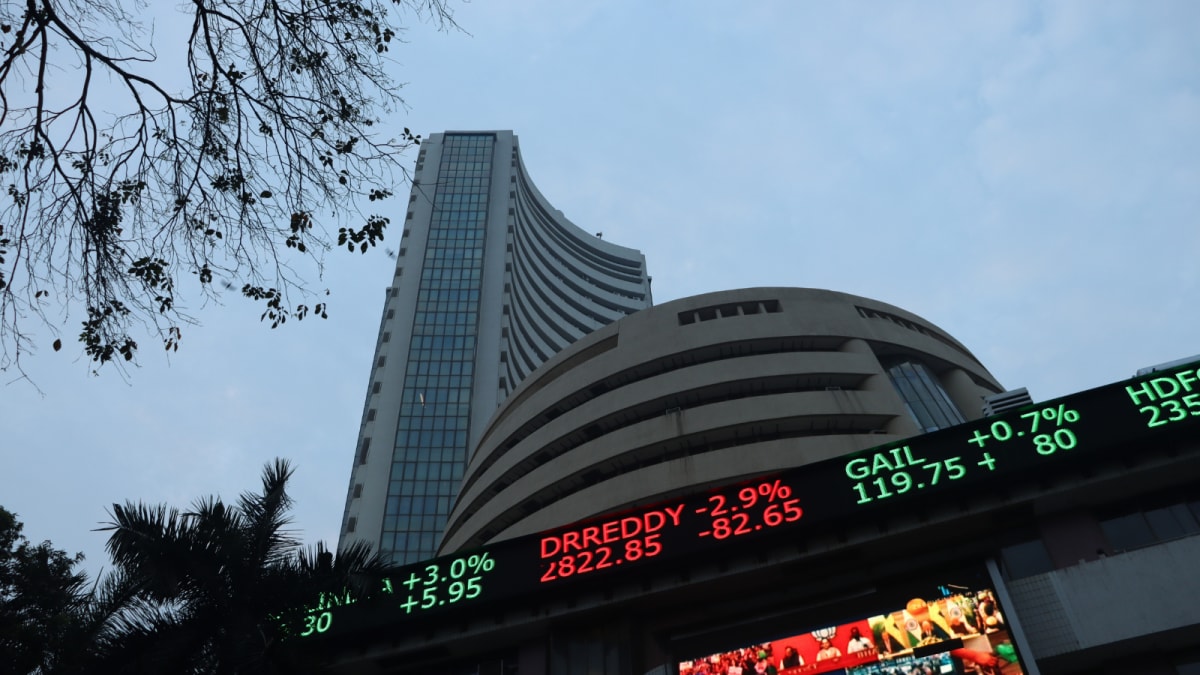
The Indian stock market is poised for a flat to slightly positive opening on Tuesday, July 1, 2025, according to pre-market indicators. The movement of the benchmark indices, Sensex and Nifty, is expected to be influenced by a combination of domestic economic data releases and global market trends. Specifically, investors are keenly awaiting the final manufacturing Purchasing Managers' Index (PMI) readings for June, both from India and China. These figures will provide crucial insights into the health of the manufacturing sector, a significant contributor to economic growth in both nations. A strong PMI reading would likely boost market sentiment, while a weaker-than-expected figure could trigger concerns about economic slowdown and lead to selling pressure. Furthermore, the address by Federal Reserve Chair Jerome Powell at the 2025 ECB Forum in Portugal is another key event on the radar. Powell's comments will be closely scrutinized for any signals regarding the future direction of U.S. monetary policy. Hints of a more hawkish stance, suggesting potential interest rate hikes, could negatively impact emerging markets like India as investors might shift their focus towards safer assets. Conversely, dovish remarks could provide some respite and support riskier assets. The article also mentions strong activity in the primary market and institutional investment flows as potential market drivers. A robust primary market, with successful initial public offerings (IPOs), indicates investor confidence and can attract further investment into the broader market. Similarly, consistent inflows from institutional investors, both domestic and foreign, provide a strong foundation for market stability and growth. However, it's crucial to note that past performance is not indicative of future results, and various factors can influence market movements.
While the pre-market indicators suggest a positive start, concerns linger regarding India's industrial output (IIP) figures for May. The data revealed a growth of just 1.2%, the slowest pace in nine months, a significant drop from the revised 2.6% growth in April. This slowdown in industrial activity raises questions about the overall economic momentum and could weigh on investor sentiment. The early arrival of the monsoon played a significant role in this deceleration, leading to a sharp 5.8% fall in electricity generation, the steepest decline since June 2020. The reliance on hydroelectric power generation makes India’s energy sector vulnerable to monsoon patterns. Insufficient rainfall can lead to power shortages and hinder industrial production. The mining sector also contracted for the second consecutive month, registering a 0.1% decline. Manufacturing, the backbone of the industrial sector, grew by a modest 2.6%, with only 13 out of 23 sectors reporting gains. This lack of broad-based growth suggests underlying weaknesses in the manufacturing landscape. A high base effect from May 2024's 6.3% growth also contributed to the lower IIP figures. The year-on-year comparison makes it difficult to assess the true underlying growth momentum. The slowdown in industrial output is a cause for concern as it could impact corporate earnings and overall economic growth. Investors will be closely monitoring future data releases to assess whether this is a temporary blip or a more prolonged slowdown.
Global market trends present a mixed picture. Asian markets exhibited varied performance in early Tuesday trade as investors reacted to fresh record highs on Wall Street and uncertainty surrounding U.S. tariff policy. The S&P 500, Nasdaq, and Dow Jones Industrial Average all reached new highs on Monday, driven by strong earnings reports and positive economic data. However, this optimism did not fully translate into Asian markets, reflecting concerns about global trade and geopolitical risks. President Donald Trump's 90-day tariff reprieve is set to expire next week, raising concerns about potential trade wars. The threat of renewed tariffs could disrupt global supply chains and negatively impact economic growth. U.S. Treasury Secretary Scott Bessent's statement that tariffs could be reinstated if trade talks stall further amplified these concerns. Among Asian markets, Japan's Nikkei retreated after reaching an 11-month high, while South Korea's Kospi and Australia's ASX 200 edged higher. The divergent performance highlights the varying degrees of exposure and sensitivity to global trade dynamics. The decision by Canada to withdraw its planned digital services tax, a move seen as easing trade tensions with the U.S., provided some positive news. The tax, aimed at tech giants like Google, Meta, and Amazon, was scheduled to take effect on Monday. However, the rollback followed Trump's sudden halt of trade talks with Ottawa, raising questions about the future of trade relations between the two countries. Overall, the global economic landscape remains uncertain, with potential risks and opportunities on the horizon.
The interplay of domestic economic data, global market trends, and policy decisions will likely shape the direction of the Indian stock market in the coming days. Investors need to carefully assess the risks and opportunities and adjust their investment strategies accordingly. Monitoring the manufacturing PMI data, Federal Reserve Chair Jerome Powell's comments, and developments in global trade policy will be crucial for making informed investment decisions. The slowdown in India's industrial output is a cause for concern, but it is too early to draw definitive conclusions. Further data releases are needed to assess the underlying economic momentum and determine whether the slowdown is temporary or a more sustained trend. The positive performance of U.S. stock markets provides some support for global equities, but the uncertainty surrounding U.S. tariff policy remains a significant risk. Investors should remain cautious and diversify their portfolios to mitigate potential downside risks. The Indian stock market is likely to remain volatile in the near term, influenced by a variety of factors, both domestic and global. A disciplined approach to investing, with a focus on long-term fundamentals, is essential for navigating these uncertain times. Furthermore, investors should stay informed about market trends and economic developments to make informed decisions. This includes following the news, reading expert analysis, and consulting with financial advisors. By taking a proactive and informed approach, investors can increase their chances of achieving their financial goals.
Several key sectors within the Indian economy are likely to be particularly sensitive to the events outlined in the article. The manufacturing sector, obviously, will be directly impacted by the PMI data. Companies in industries such as automobiles, engineering, and chemicals will be closely watched. A strong PMI would likely boost investor confidence in these sectors, leading to increased investment and higher stock prices. Conversely, a weak PMI could trigger selling pressure and lead to lower valuations. The energy sector will also be affected by monsoon patterns and electricity generation figures. Companies involved in power generation and distribution will be sensitive to changes in rainfall and electricity demand. The technology sector, particularly companies with a significant presence in the global market, will be impacted by developments in U.S. tariff policy and digital services taxes. Companies like Tata Consultancy Services, Infosys, and Wipro, which derive a significant portion of their revenue from exports, could be vulnerable to trade tensions. The financial sector, including banks and financial institutions, will be influenced by Federal Reserve Chair Jerome Powell's comments and the direction of U.S. monetary policy. Higher interest rates in the U.S. could lead to capital outflows from India and negatively impact the financial sector. The infrastructure sector will be affected by government policies and investment in infrastructure projects. Increased government spending on infrastructure could boost demand for construction materials and services, benefiting companies in this sector. The agricultural sector will be impacted by monsoon patterns and agricultural policies. A good monsoon season could boost agricultural production and improve rural incomes, benefiting companies in the agricultural sector and related industries. Overall, the Indian economy is highly interconnected, and events in one sector can have ripple effects throughout the economy. Investors need to consider the potential impact of these events on different sectors and adjust their investment strategies accordingly.
Looking ahead, several factors could influence the Indian stock market in the medium to long term. The pace of economic reforms will be crucial for attracting foreign investment and boosting economic growth. The government's efforts to simplify regulations, improve infrastructure, and promote innovation will play a key role in shaping the future of the Indian economy. The demographic dividend, with a large and young population, provides a significant advantage for India. A growing workforce and rising incomes could drive consumer demand and fuel economic growth. The development of a strong and vibrant domestic market will be essential for reducing India's reliance on exports. A growing middle class and rising disposable incomes could drive consumer spending and create new opportunities for businesses. The adoption of new technologies, such as artificial intelligence, cloud computing, and blockchain, could transform various sectors of the Indian economy. Companies that embrace these technologies could gain a competitive advantage and drive innovation. The management of fiscal deficits and inflation will be crucial for maintaining macroeconomic stability. Prudent fiscal policies and effective monetary policy could help to control inflation and ensure sustainable economic growth. The geopolitical landscape will also play a role in shaping the future of the Indian economy. Increased trade tensions and geopolitical risks could negatively impact global trade and investment flows. Overall, the Indian economy has the potential to achieve strong and sustainable growth in the coming years, but it faces several challenges. The government, businesses, and individuals need to work together to overcome these challenges and unlock India's full potential. Investors need to carefully consider these factors when making long-term investment decisions.
Finally, it's important to consider the role of individual investors in the Indian stock market. Retail investors are playing an increasingly important role in the market, with a growing number of individuals participating in equity investments. This trend is driven by factors such as rising incomes, increased financial literacy, and the availability of online trading platforms. Retail investors can contribute to the growth and stability of the market by investing in a diversified portfolio of stocks and mutual funds. They can also play a role in promoting corporate governance and responsible investing by holding companies accountable for their actions. However, it's important for retail investors to be aware of the risks involved in investing in the stock market. They should conduct thorough research before making any investment decisions and avoid investing in assets that they do not understand. They should also be patient and disciplined investors, avoiding the temptation to chase short-term gains. Retail investors should seek advice from qualified financial advisors before making any investment decisions. Financial advisors can help them to develop a financial plan, assess their risk tolerance, and choose appropriate investments. By taking a responsible and informed approach to investing, retail investors can contribute to the growth and stability of the Indian stock market while also achieving their financial goals. The combination of institutional investment and retail investor participation is crucial for a healthy and robust market ecosystem. A well-functioning stock market can play a vital role in allocating capital to productive uses, promoting economic growth, and creating wealth for individuals and businesses. It is therefore essential that policymakers and market participants work together to ensure that the Indian stock market remains a fair, transparent, and efficient mechanism for capital allocation.
Furthermore, considering the author, Aparna Deb's, expertise as a Subeditor writing for the business vertical of News18.com adds credibility to the report. Her focus on financial markets and the economy aligns with the subject matter, suggesting an informed and insightful perspective on the market dynamics discussed. Given her role, she likely has access to up-to-date information and analysis, making the article a potentially valuable resource for investors. News18’s broader coverage on the stock market further strengthens this, promising readers real-time insights and expert analysis.
Source: Stock Market Updates: Sensex, Nifty Flat In Pre-Open; India June Manufacturing PMI Eyed