
 |
|
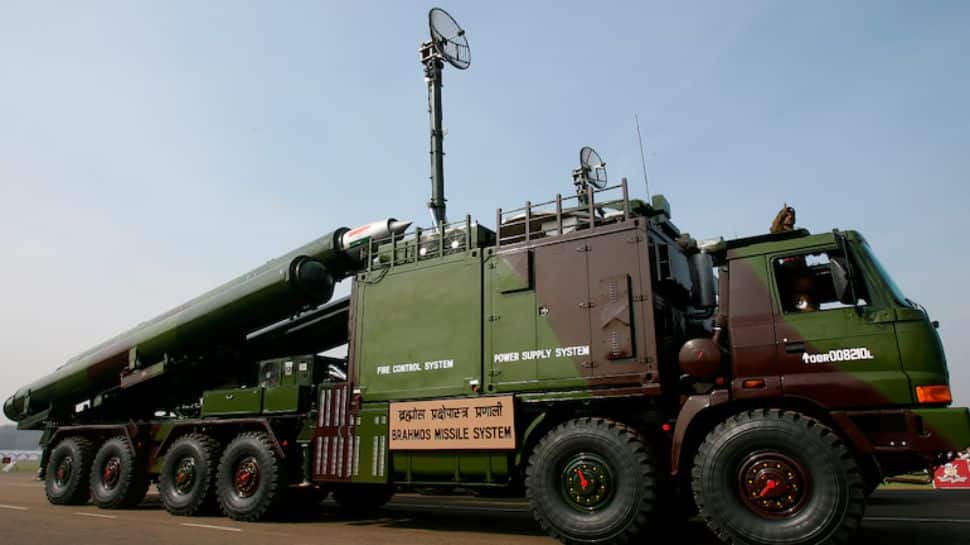
The exchange between a high-ranking Pakistani Army officer and Dr. Apathukatha Sivathanu Pillai, the architect of the BrahMos missile, at an international arms expo in Dubai is far more than just a witty retort. It encapsulates the complex and fraught relationship between India and Pakistan, the strategic importance of the BrahMos missile as a symbol of India's military prowess, and the underlying tensions that simmer beneath the surface of their geopolitical interactions. The officer's seemingly straightforward question – “Would India ever sell the BrahMos missile to Pakistan?” – belies a deeper interest in acquiring a weapon system that represents a significant leap in India's strike capabilities. Dr. Pillai’s response, “For Pakistan, it would be free of cost,” is a masterclass in diplomatic communication, conveying a message of deterrence, technological superiority, and an implicit warning against further aggression. The incident occurred against a backdrop of heightened tensions, triggered by the Pahalgam terror attack and India’s subsequent Operation Sindoor, which targeted terror camps within Pakistan and Pakistan-occupied Kashmir. This military action, along with Pakistan's retaliatory strikes and India's response in targeting key Pakistani airbases and installations, underscores the precarious security environment in the region. The BrahMos missile, born of an Indo-Russian partnership, stands as a testament to India's indigenous innovation and its commitment to enhancing its defense capabilities. Its advanced features, including supersonic speeds, stealth technology, and precision guidance, make it a formidable weapon system, capable of delivering a devastating blow to potential adversaries. The missile's name, derived from the Brahmaputra and Moskva rivers, symbolizes the collaboration between the two nations in developing this cutting-edge technology. India's continued efforts to indigenize the BrahMos, involving both private firms and state labs, demonstrate its strategic focus on achieving self-reliance in defense production. The focus remains on refining systems, improving control, and pushing technological boundaries, ensuring that the BrahMos remains a potent deterrent. Dr. Pillai's reply, in this context, wasn't merely a jest but a calculated statement. It highlighted the fact that certain assets, particularly those symbolizing national security and technological advancement, are beyond commercial transactions, especially when dealing with a potential adversary. The exchange emphasizes that strategic considerations outweigh any potential financial gain, and that national security takes precedence over economic incentives. The underlying message is clear: the BrahMos is not for sale, particularly not to those who might use it against India. This reflects a broader policy of strategic restraint and a commitment to safeguarding national interests in a volatile geopolitical landscape.
The significance of the BrahMos missile extends beyond its technical specifications and military capabilities. It is a symbol of India's growing technological prowess and its emergence as a major player in the global arms market. The successful development and deployment of the BrahMos have not only enhanced India's defense capabilities but have also projected its image as a nation capable of innovating and producing cutting-edge military technology. This has significant implications for India's foreign policy and its ability to exert influence on the international stage. The missile also represents a successful model of international cooperation in defense production. The collaboration between India and Russia in developing the BrahMos has fostered closer ties between the two nations and has demonstrated the potential for mutually beneficial partnerships in the defense sector. This model could be replicated in other areas of defense cooperation, strengthening India's relationships with other countries and enhancing its access to advanced technologies. Furthermore, the BrahMos serves as a deterrent against potential aggression. Its speed, accuracy, and destructive power make it a formidable weapon that can dissuade potential adversaries from contemplating military action against India. The knowledge that India possesses such a potent weapon system can deter aggression and promote stability in the region. However, the development and deployment of advanced weapons systems like the BrahMos also raise concerns about regional arms races and the potential for escalation of conflicts. The presence of such weapons can create a sense of insecurity among neighboring countries, leading them to acquire similar capabilities, thereby escalating tensions and increasing the risk of conflict. Therefore, it is crucial for India to exercise restraint and promote transparency in its defense policies, fostering dialogue and cooperation with neighboring countries to build trust and reduce the risk of miscalculation. The exchange between the Pakistani general and Dr. Pillai underscores the importance of strategic communication and the role of diplomacy in managing complex relationships. Dr. Pillai's witty response not only conveyed a message of deterrence but also highlighted the futility of seeking to acquire technology that is inherently linked to India's national security interests. This incident serves as a reminder of the need for clear and consistent communication in managing sensitive issues between nations, particularly in the context of ongoing tensions and geopolitical competition.
The BrahMos saga exemplifies the delicate balance between technological advancement, national security, and international relations. The missile's development and deployment have undoubtedly strengthened India's defense capabilities and projected its image as a technologically advanced nation. However, it has also introduced new complexities into the regional security landscape, requiring careful management and strategic communication to avoid unintended consequences. The incident at the Dubai arms expo highlights the enduring tensions between India and Pakistan and the challenges of fostering trust and cooperation in a volatile region. While the BrahMos may not be for sale to Pakistan, the need for dialogue and engagement remains paramount in addressing the underlying issues that fuel conflict and instability. Ultimately, the pursuit of peace and security requires more than just advanced weapons systems; it demands a commitment to diplomacy, mutual understanding, and a willingness to address the root causes of conflict. The future of the BrahMos program will likely involve further indigenization efforts, enhancing its capabilities, and exploring new applications. The focus will remain on maintaining its deterrent effect and ensuring its continued relevance in a rapidly evolving security environment. India will also need to carefully consider the implications of exporting the BrahMos to other countries, weighing the strategic benefits against the potential risks of proliferation and regional instability. The story of the BrahMos is a testament to India's technological ambition, its strategic vision, and its commitment to safeguarding its national interests. It is a story that continues to unfold, with significant implications for the future of the region and the global balance of power. It reflects a complex interplay of technological innovation, geopolitical strategy, and diplomatic maneuvering, highlighting the challenges and opportunities that lie ahead in a world increasingly shaped by technological advancements and strategic competition. The humorous exchange, though brief, is laden with strategic and geopolitical significance, underlining the complex relationship between India and Pakistan and the pivotal role of advanced weaponry in shaping national security and foreign policy objectives. The BrahMos, in this context, serves as a potent symbol of India's technological prowess and its unwavering commitment to safeguarding its sovereignty and territorial integrity. The seemingly simple question posed by the Pakistani general and the subtly sharp response it elicited encapsulate the profound strategic calculations and the inherent distrust that continue to define the dynamics between these two nuclear-armed neighbors.
Source: ‘Can We Buy BrahMos?’: Pakistani General Gets A Stinging Clapback From Missile Maker