
 |
|
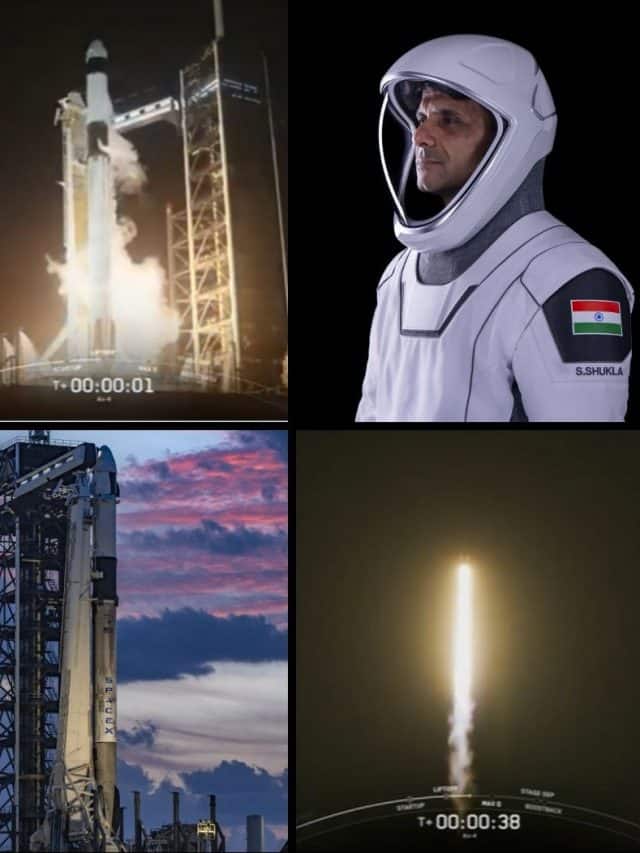
The launch of astronaut Shubhanshu Shukla aboard the Axiom-4 mission represents a significant milestone for India's space program and its aspirations in human spaceflight. This event not only showcases the nation's growing capabilities in aerospace engineering and scientific research but also underscores the increasing globalization of space exploration. The partnership with SpaceX, a leading private space company, further exemplifies the evolving landscape of space endeavors, where collaborations between government agencies and private entities are becoming more commonplace. The photographic documentation of this historic journey provides a powerful visual narrative, capturing the dedication, innovation, and international cooperation that underpin such complex and ambitious undertakings. These images serve as a source of inspiration for aspiring scientists, engineers, and astronauts, fostering a renewed interest in STEM fields and encouraging the pursuit of careers in space-related industries. Furthermore, the successful launch and subsequent mission to the International Space Station (ISS) will undoubtedly generate a wealth of scientific data and technological advancements, contributing to a broader understanding of our planet, the universe, and the potential for future space exploration. Shubhanshu Shukla's participation in the Axiom-4 mission also serves as a testament to the rigorous training and preparation that astronauts undergo, highlighting the immense challenges and sacrifices involved in preparing for spaceflight. The mission itself is a complex and multifaceted endeavor, requiring meticulous planning, coordination, and execution across various teams and organizations. From the initial stages of astronaut selection and training to the final preparations for launch and the execution of scientific experiments on the ISS, every aspect of the mission is carefully orchestrated to ensure the safety and success of the astronauts and the overall objectives of the mission. The involvement of SpaceX in this mission also highlights the growing role of private companies in the space industry, as they continue to push the boundaries of innovation and develop new technologies for space exploration. The Axiom-4 mission is just one example of the many ways in which private companies are contributing to the advancement of space exploration, and it is likely that their role will continue to grow in the years to come. The photos that capture Shubhanshu Shukla's journey are not just images; they are a testament to human ingenuity, perseverance, and the relentless pursuit of knowledge. They tell a story of collaboration, innovation, and the unwavering desire to explore the unknown. These images will undoubtedly inspire future generations of scientists, engineers, and astronauts to continue pushing the boundaries of what is possible and to reach for the stars. The mission also serves as a reminder of the importance of international cooperation in space exploration, as the ISS is a collaborative project involving multiple countries and organizations. The success of the Axiom-4 mission is a testament to the power of collaboration and the importance of working together to achieve common goals in space. The scientific experiments conducted on the ISS as part of the Axiom-4 mission will contribute to a better understanding of a wide range of phenomena, from the effects of microgravity on the human body to the behavior of materials in space. This research has the potential to lead to new discoveries and innovations that could benefit people on Earth. The Axiom-4 mission is not just about exploring space; it is also about using space to improve life on Earth. The data collected on the ISS will be used to develop new technologies and treatments for diseases, as well as to improve our understanding of climate change and other global challenges. The mission is also an opportunity to inspire the next generation of scientists and engineers and to encourage them to pursue careers in STEM fields. Shubhanshu Shukla's journey is a reminder that anything is possible with hard work, dedication, and a passion for exploration. The Axiom-4 mission represents a major step forward for India's space program and for the future of human spaceflight. It is a testament to the power of collaboration, innovation, and the unwavering desire to explore the unknown. The images that capture Shubhanshu Shukla's journey will undoubtedly inspire future generations to reach for the stars.
The significance of Shubhanshu Shukla's Axiom-4 launch extends beyond the immediate scientific and technological achievements. It represents a crucial step in fostering greater public engagement with space exploration and promoting the importance of STEM education. By showcasing the achievements of an Indian astronaut on an international stage, the mission serves as a powerful source of national pride and inspiration for young people across the country. The visual documentation of the journey, through photographs and videos, makes the often-abstract concept of space exploration more tangible and relatable to the general public. This increased visibility can help to generate greater support for space programs and encourage more students to pursue careers in science, technology, engineering, and mathematics. Furthermore, the collaborative nature of the Axiom-4 mission, involving both government agencies and private companies, highlights the importance of partnerships in advancing space exploration. By working together, these organizations can pool their resources, expertise, and innovation to achieve goals that would be difficult or impossible to achieve alone. This collaborative approach is essential for the future of space exploration, as it allows for the sharing of risks, costs, and benefits. The mission also underscores the importance of investing in space infrastructure and technology. The development of new spacecraft, launch systems, and communication networks is crucial for enabling future space missions and expanding our access to space. By investing in these technologies, we can create new opportunities for scientific discovery, economic growth, and international cooperation. The Axiom-4 mission is a reminder that space exploration is not just about reaching for the stars; it is also about improving life on Earth. The research conducted on the ISS can lead to new breakthroughs in medicine, materials science, and other fields that can benefit people around the world. By using space as a platform for scientific research, we can unlock new knowledge and develop new technologies that can help to solve some of the world's most pressing challenges. The mission also highlights the importance of addressing the ethical and environmental considerations associated with space exploration. As we continue to explore and utilize space, it is crucial that we do so in a responsible and sustainable manner. This includes protecting the space environment from pollution and debris, ensuring that space activities are conducted in accordance with international law, and addressing the potential risks of space exploration to human health and safety. Shubhanshu Shukla's journey is a testament to the power of human ingenuity and the unwavering desire to explore the unknown. The Axiom-4 mission is a reminder that anything is possible with hard work, dedication, and a passion for discovery. As we continue to push the boundaries of space exploration, it is important that we do so in a way that is both ambitious and responsible. By working together, we can unlock the vast potential of space and create a better future for all of humanity. The success of this mission can be attributed to various factors including meticulous planning, advanced technology, and a highly skilled team. The rigorous training that Shubhanshu Shukla and his crewmates underwent prepared them for the demanding conditions of spaceflight. This involved simulations, physical conditioning, and extensive study of the mission's objectives and protocols. The engineering and technological prowess of SpaceX played a vital role in ensuring a safe and successful launch. Their reusable Falcon 9 rocket and Dragon spacecraft have revolutionized space transportation by reducing costs and increasing reliability. The International Space Station serves as a unique laboratory for conducting research in a microgravity environment. Scientists can study a wide range of phenomena, from the effects of space on the human body to the behavior of materials in orbit.
Moreover, the Axiom-4 mission and Shubhanshu Shukla's participation therein serve as a catalyst for global collaboration in space exploration. The International Space Station (ISS), a symbol of international cooperation, provides a platform for scientists and astronauts from various nations to work together on research projects that benefit humanity. This collaboration fosters understanding, builds relationships, and promotes peace among nations. Shubhanshu Shukla's involvement in this international endeavor further strengthens the ties between India and other spacefaring nations, paving the way for future joint missions and collaborations. The Axiom-4 mission also provides valuable opportunities for technology transfer and knowledge sharing. By working with SpaceX and other international partners, India can gain access to cutting-edge technologies and expertise in space exploration. This knowledge transfer can help to accelerate the development of India's own space capabilities and contribute to the growth of its aerospace industry. In addition to its scientific and technological benefits, the Axiom-4 mission also has significant economic implications. The mission creates jobs in the aerospace industry, stimulates innovation, and promotes economic growth. The development of new technologies and the commercialization of space-related products and services can generate new revenue streams and create new business opportunities. The success of the Axiom-4 mission can also inspire other countries to invest in space exploration and develop their own space programs. This increased investment can lead to further advancements in space technology and a greater understanding of our universe. The Axiom-4 mission is a reminder that space exploration is not just a scientific endeavor; it is also a political, economic, and social one. By engaging in space exploration, nations can enhance their prestige, strengthen their economies, and improve the lives of their citizens. Shubhanshu Shukla's journey is a testament to the power of human ambition and the unwavering desire to explore the unknown. The Axiom-4 mission is a symbol of hope and inspiration for future generations of scientists, engineers, and astronauts. As we continue to explore the vastness of space, we must remember that we are all part of a global community. By working together, we can achieve great things and create a better future for all of humanity. The mission also underscores the importance of education and outreach in promoting space exploration. By engaging the public and educating them about the benefits of space exploration, we can generate greater support for space programs and encourage more young people to pursue careers in STEM fields. Shubhanshu Shukla's journey can serve as an inspiration for students around the world, demonstrating that anything is possible with hard work, dedication, and a passion for learning. In conclusion, the launch of astronaut Shubhanshu Shukla aboard the Axiom-4 mission represents a significant milestone for India and for the future of human spaceflight. The mission is a testament to the power of collaboration, innovation, and the unwavering desire to explore the unknown. The images that capture Shubhanshu Shukla's journey will undoubtedly inspire future generations to reach for the stars and to continue pushing the boundaries of what is possible.
Source: Astronaut Shubhanshu Shukla’s Historic Axiom 4 Launch Captured in Photos