
 |
|
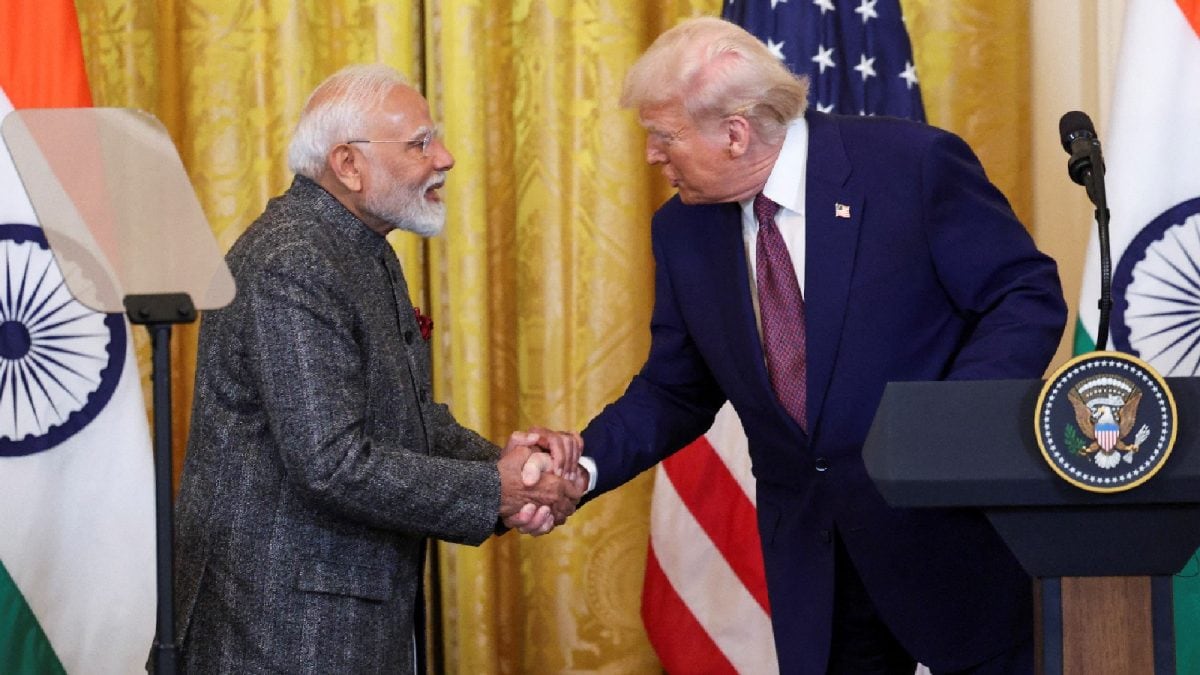
The article details India's strategic decision to decline an invitation from former US President Donald Trump for Prime Minister Narendra Modi to stopover in Washington DC. This decision was reportedly driven by the potential for an undesirable situation where Trump would have met with both Modi and Pakistani army chief Asim Munir on the same day. The White House had announced that Trump would host Munir for lunch, and Trump subsequently invited Modi for a meeting while Modi was in Canada. Modi declined, citing a prior commitment to visit Croatia. The core reason behind India’s decision appears to be a desire to avoid being 'hyphenated' with Pakistan on US soil. The Indian government likely sought to prevent a scenario where the US President hosted both the elected leader of India and the army chief of Pakistan on the same day, fearing it would create a symbolic equivalence or imply a mediatory role for the US between the two nations. This careful maneuvering reflects India's long-standing policy of de-hyphenating itself from Pakistan in international relations, aiming to be seen as a distinct and significant global power, independent of its relationship with its neighbor. The article highlights the importance of symbolic gestures and perceptions in international diplomacy. Even a seemingly innocuous scheduling conflict could be interpreted as a significant political statement, influencing the dynamics between India, Pakistan, and the United States. The rejection of the meeting also underscores India's preference for a state visit from the US President to India, particularly in the context of the upcoming QUAD Summit. This signals India's desire for a deeper and more formalized relationship with the US, one that extends beyond ad-hoc meetings and informal interactions. The article also mentions that Modi conveyed to Trump that the US should not play a mediatory role between India and Pakistan and highlighted Pakistan's role in fostering terrorism. This adds another layer to India's decision, indicating a proactive effort to shape US policy towards the region and prevent any perceived concessions to Pakistan. The incident reveals the complexities of managing international relations, where even the timing and location of meetings can carry significant weight and require careful consideration. India’s skillful navigation of this situation demonstrates its growing assertiveness on the global stage and its commitment to protecting its strategic interests.
The concept of 'de-hyphenation' is central to understanding India's foreign policy objectives. For years, international relations often grouped India and Pakistan together, treating them as a single entity or focusing on their bilateral conflict. India has actively sought to break free from this perception, emphasizing its unique economic growth, democratic institutions, and global role. By ensuring that foreign leaders do not visit both countries on the same trip and by avoiding situations where India and Pakistan are treated equally in international forums, India aims to project itself as a distinct and influential actor. This strategy is not simply about distancing itself from Pakistan; it is about establishing India's own identity and securing its rightful place on the world stage. The decision to decline the Trump invitation can be seen as a tactical move in this broader strategy. It reinforces India's message that it is not to be equated with Pakistan and that its relationship with the US should be viewed independently. This also serves as a signal to the US that India expects to be treated as a priority partner, deserving of a dedicated visit from the President and a relationship built on mutual respect and understanding. Furthermore, India's emphasis on Pakistan's role in fostering terrorism reflects its long-standing concern about cross-border terrorism and its efforts to hold Pakistan accountable for its actions. By raising this issue directly with Trump, Modi sought to influence US policy and ensure that Pakistan's support for terrorism is not overlooked in any potential negotiations or agreements. The article also points to the evolving dynamics between India and the US under different administrations. While the details of Trump's invitation and Modi's response are specific to that particular moment, they highlight the ongoing negotiations and adjustments that occur between the two countries as they navigate their respective interests and priorities. The upcoming QUAD Summit, mentioned in the article, underscores the growing strategic alignment between India and the US in the Indo-Pacific region, reflecting shared concerns about China's growing influence and a commitment to maintaining a rules-based international order.
The long-term implications of India's decision to decline the Trump invitation extend beyond the immediate diplomatic context. It reinforces India's image as a confident and assertive player on the global stage, willing to stand its ground and protect its strategic interests. This sends a message to other countries, including the US, that India is not afraid to make tough decisions and will not be easily swayed by external pressure. This also demonstrates India's commitment to its core foreign policy principles, including non-alignment, strategic autonomy, and a focus on its own economic development and security. By prioritizing its own interests and avoiding situations that could compromise its image or dilute its influence, India is positioning itself to play a leading role in the emerging multipolar world. The article also implicitly raises questions about the future of US-Pakistan relations. Trump's willingness to meet with the Pakistani army chief, even in the context of Modi's potential visit, suggests a desire to maintain a channel of communication with Pakistan, despite its problematic record on terrorism and regional stability. This highlights the delicate balancing act that the US must perform in the region, navigating its relationships with both India and Pakistan while pursuing its own strategic objectives. Ultimately, the article provides valuable insights into the complexities of international diplomacy and the importance of strategic decision-making in shaping a country's image and influence. India's handling of the Trump invitation serves as a case study in how a country can assert its interests, protect its strategic autonomy, and position itself for a greater role in the world by carefully calibrating its diplomatic engagements and prioritizing its long-term goals.
In conclusion, the decision by India to decline Donald Trump's invitation for Prime Minister Narendra Modi to stopover in Washington D.C. is a significant example of strategic diplomacy aimed at avoiding unwanted political symbolism and reinforcing India's independent standing on the global stage. The desire to prevent being 'hyphenated' with Pakistan during a meeting with the U.S. President underscores India's efforts to distinguish itself as a major global power separate from its regional dynamics with Pakistan. This tactical move is consistent with India's broader foreign policy objective of de-hyphenating itself from Pakistan, asserting its unique identity, and fostering direct bilateral relationships with key global players like the United States. The incident also showcases India's proactive approach in shaping U.S. policy towards the region, particularly concerning Pakistan's role in fostering terrorism. By declining the invitation, Modi ensured that Trump understood India's concerns and priorities, setting the stage for a more constructive and independent relationship between the two nations. Furthermore, India's preference for a formal state visit from the U.S. President, especially in the context of the upcoming QUAD Summit, demonstrates its commitment to strengthening strategic alignment with the U.S. and maintaining a rules-based international order in the Indo-Pacific region. This decision, therefore, is not merely a reactive measure but a deliberate step to enhance India's influence and project its image as a confident and assertive player on the global stage. It highlights the intricate balance that nations must strike in managing international relations and the significance of strategic decision-making in achieving long-term foreign policy objectives. The ability to navigate such diplomatic challenges effectively reinforces India's role as a key actor in the emerging multipolar world, capable of safeguarding its interests and contributing to global stability. Overall, the episode illustrates the complexities and nuances of diplomacy, emphasizing how careful consideration of symbolic gestures and strategic priorities can shape a nation's standing and influence in the international arena.
Source: How India Prevented Trump Meeting PM Modi Same Day As Asim Munir At White House