
 |
|
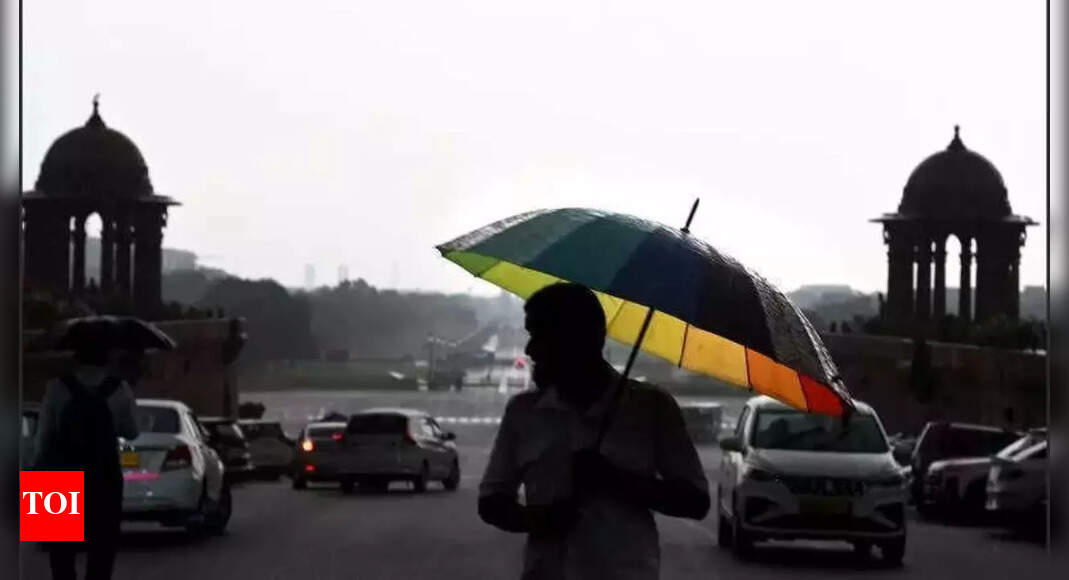
The India Meteorological Department (IMD) has issued comprehensive rainfall warnings, including red and orange alerts, for several states in northwest India, anticipating extremely heavy to very heavy rainfall over the coming week. This announcement comes as the southwest monsoon continues its advancement, bringing with it the promise of much-needed precipitation but also the potential for significant disruption and hazards. The forecast indicates that isolated areas in Madhya Pradesh could experience rainfall exceeding 200mm in a 24-hour period on June 23. Furthermore, Konkan, Goa, Madhya Maharashtra, and Gujarat are expected to receive heavy to very heavy rainfall until June 27. This widespread and intense rainfall activity is attributed to a combination of factors, including the advancing monsoon and the development of low-pressure systems and cyclonic circulations. The IMD's warnings underscore the importance of preparedness and vigilance, urging local authorities and residents to take necessary precautions to mitigate the potential impacts of heavy rainfall. The specific regions highlighted in the forecast, particularly those under red and orange alerts, are at a higher risk of experiencing localized flooding, waterlogging, and other weather-related disruptions. The impact of heavy rainfall can extend beyond immediate inconvenience, affecting transportation, agriculture, and public health. Understanding the dynamics of the monsoon and the associated weather patterns is crucial for effective disaster management and long-term planning. The IMD's role in providing timely and accurate forecasts is essential for enabling informed decision-making and minimizing the adverse effects of extreme weather events. The warnings also serve as a reminder of the vulnerability of certain regions to the impacts of climate change, which is expected to exacerbate extreme weather events in the future. The coordination between government agencies, local communities, and scientific institutions is vital for building resilience and adapting to the changing climate. The focus on northwest India in the current forecast highlights the geographical variations in monsoon activity and the need for region-specific strategies to address the challenges posed by heavy rainfall. The IMD's efforts to communicate these warnings effectively are crucial for ensuring that the information reaches the people who need it most, empowering them to take appropriate actions to protect themselves and their property. The significance of these warnings cannot be overstated, as they directly impact the safety and well-being of millions of people living in the affected regions. The continuous monitoring of weather patterns and the dissemination of timely information are essential for managing the risks associated with the monsoon and ensuring a sustainable future.
The specific forecast for northwest India indicates that significant rainfall is expected from June 21 to 27. Heavy showers are anticipated in Jammu-Kashmir-Ladakh, Himachal Pradesh, Uttarakhand, and east Rajasthan throughout this period. Punjab, Haryana, and Chandigarh are likely to receive heavy rainfall from June 21 to 26, with intense precipitation expected in Uttar Pradesh (UP) until June 24. Delhi can expect heavy rainfall on June 22 and 23. These localized forecasts provide a more granular understanding of the expected rainfall distribution, allowing for targeted preparedness measures. The emphasis on specific dates and regions underscores the importance of staying informed about the evolving weather situation and adjusting plans accordingly. The potential for heavy showers in mountainous regions like Jammu-Kashmir-Ladakh, Himachal Pradesh, and Uttarakhand raises concerns about landslides and flash floods. These events can cause significant damage to infrastructure, disrupt transportation, and pose a serious threat to human life. Similarly, the forecast for Punjab, Haryana, and Chandigarh highlights the vulnerability of agricultural areas to waterlogging and crop damage. Farmers need to take appropriate measures to protect their crops and ensure the proper drainage of fields. The expected rainfall in Delhi, a densely populated metropolitan area, raises concerns about urban flooding and traffic congestion. The city's infrastructure may struggle to cope with the intense rainfall, leading to disruptions in daily life and potential safety hazards. The coordination between different government agencies and local authorities is crucial for implementing effective mitigation strategies, such as clearing drainage systems, providing emergency services, and disseminating public safety information. The specific warnings for very heavy rainfall in east Rajasthan (June 21-23), south Haryana and Punjab (June 22), and UP (June 22-23) highlight the areas at the highest risk of experiencing extreme weather events. These regions need to be particularly vigilant and take extra precautions to protect lives and property. The IMD's detailed forecasts provide valuable information for planning and preparedness, enabling communities to minimize the potential impacts of heavy rainfall.
The IMD has forecast further southwest monsoon advancement into the remaining parts of Jammu & Kashmir, Ladakh, Punjab, Haryana, Chandigarh, and Delhi over the next two days, indicating that conditions are becoming increasingly favorable for widespread rainfall. This suggests that the monsoon is progressing as expected and is on track to cover most of northern India in the coming days. The IMD official's statement to TOI emphasizes the progressive nature of the monsoon, stating that it is moving towards northern states and is likely to advance to more parts, including Rajasthan and Uttarakhand. Some areas are already experiencing monsoon activity, and Delhi and other regions may be covered within the next two days through thunderstorms and monsoon activity. This highlights the dynamic nature of weather patterns and the importance of continuous monitoring and forecasting. The advancement of the monsoon brings both benefits and challenges. On the one hand, it provides much-needed relief from the summer heat and replenishes water resources. On the other hand, it also brings the risk of heavy rainfall, flooding, and other weather-related hazards. The weather department has warned of the potential impact of heavy rainfall, including localized flooding, waterlogging, and underpass closures in urban areas. Metropolitan cities may experience reduced visibility, traffic congestion, and increased travel time because of waterlogged roads. This underscores the need for urban planning and infrastructure development that can effectively manage stormwater runoff and minimize the impact of heavy rainfall. The forecast for increased rainfall activity in Pune from June 23, with light to moderate rain likely, indicates that the monsoon is extending its reach to other parts of the country. This highlights the widespread impact of the monsoon and the need for regional preparedness strategies. The overall picture is one of a complex and dynamic weather system that requires careful monitoring and management to ensure the safety and well-being of the population.
The specific weather systems driving this intense activity include a low-pressure area over the southwest Bihar region, which is expected to move northwestward and gradually weaken by Sunday. However, an associated cyclonic circulation is expected to move in a westward direction. This system is expected to cause extremely heavy rainfall over Madhya Pradesh and adjoining regions on June 23, and heavy to very heavy rainfall activity at isolated places there till June 27. The IMD official emphasized that since this system is over land, areas under its influence are likely to experience significant impact. This highlights the importance of understanding the dynamics of low-pressure systems and cyclonic circulations in driving monsoon activity. These weather systems can trigger intense rainfall over localized areas, leading to flash floods and other hazards. The movement and intensity of these systems need to be carefully monitored to provide timely and accurate forecasts. The forecast for the development of a cyclonic circulation over Gangetic West Bengal and adjoining regions around June 25 indicates that the monsoon activity is likely to persist in the coming days. The IMD expects the westerlies, or monsoon winds, to strengthen over the west coast, which could lead to increased rainfall activity in that region. This highlights the interconnectedness of weather systems and the importance of considering regional factors in forecasting monsoon activity. The overall picture is one of a complex interplay of weather systems that are driving the current rainfall pattern in India. The IMD's efforts to understand and predict these systems are crucial for providing timely and accurate warnings and enabling effective disaster management. The constant monitoring of these systems and the dissemination of information to the public are essential for ensuring the safety and well-being of the population. The information provided by the IMD allows individuals and communities to make informed decisions about their activities and take appropriate precautions to protect themselves and their property. By understanding the underlying weather patterns and the potential impacts of heavy rainfall, we can better prepare for and mitigate the risks associated with the monsoon.
The continuous monitoring and analysis of these weather patterns are crucial for issuing timely and accurate warnings. The role of technology, including advanced weather models and satellite imagery, is increasingly important in improving forecasting capabilities. The IMD's commitment to using the latest scientific knowledge and technology to provide accurate and reliable weather information is essential for ensuring the safety and well-being of the population. The effective communication of these warnings to the public is also crucial. The IMD utilizes various channels, including television, radio, newspapers, and online platforms, to disseminate weather information to the widest possible audience. The use of clear and concise language is essential for ensuring that the information is easily understood and acted upon. The collaboration between government agencies, local communities, and scientific institutions is vital for building resilience to the impacts of heavy rainfall. This includes strengthening infrastructure, improving drainage systems, and implementing effective disaster management plans. The engagement of local communities in preparedness efforts is also crucial. This includes raising awareness about the risks of heavy rainfall, providing training on emergency response procedures, and establishing community-based early warning systems. The long-term sustainability of these efforts depends on addressing the underlying causes of climate change. This includes reducing greenhouse gas emissions and transitioning to a low-carbon economy. The international community also has a role to play in supporting developing countries in adapting to the impacts of climate change. The continuous investment in scientific research and technological innovation is essential for improving our understanding of weather patterns and developing more effective forecasting capabilities. The commitment to building a more resilient and sustainable future is crucial for protecting communities from the impacts of heavy rainfall and other extreme weather events. The efforts to reduce greenhouse gas emissions and adapt to climate change will help to mitigate the risks associated with the monsoon and ensure a safer and more prosperous future for all.
Source: Heavy rainfall alerts in several northwest states as monsoon advances