
 |
|
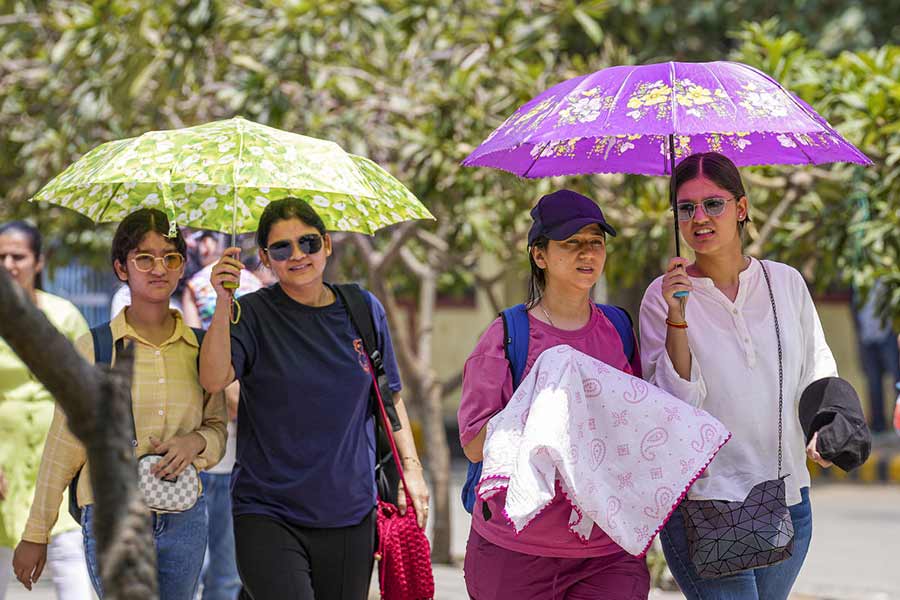
North India is currently grappling with a severe heatwave, and while Delhi has been the focal point of national attention due to its scorching temperatures, data from the India Meteorological Department (IMD) reveals that several other regions are experiencing even more extreme heat. The relentless heatwaves, coupled with extended dry spells and consistently rising mercury levels, are significantly disrupting daily life for millions of people. The impact extends beyond mere discomfort, affecting public health, agriculture, and the overall economy. The IMD had issued a red alert for Delhi, indicating the severity of the situation, with temperatures ranging from 40.9 to 45 degrees Celsius across various weather stations. However, the broader picture paints an even grimmer scenario, with cities like Sirsa and Jalandhar registering temperatures that surpass even Delhi's oppressive heat. The heat index, which considers the effect of humidity on how hot it feels, reached an alarming 51.9 degrees Celsius in Delhi, highlighting the dangerous conditions. While forecasts suggest the possibility of light showers around June 13th or 14th due to western disturbances, the immediate future remains bleak, with mercury levels continuing to soar. The escalating temperatures have also led to record-breaking power demand in Delhi, as residents and businesses alike rely heavily on air conditioning and cooling systems to cope with the heat. This surge in demand places immense strain on the power grid, increasing the risk of outages and further exacerbating the challenges posed by the heatwave. The situation underscores the urgent need for effective heat action plans and infrastructure improvements to mitigate the impact of extreme weather events. Moreover, the heatwave is not confined to Delhi alone. Other major metro cities like Ahmedabad, Chennai, Kolkata, Mumbai, and Hyderabad are also experiencing elevated temperatures, although they are relatively cooler compared to the northern regions. In contrast, Bengaluru and Pune offer a respite from the heat with more pleasant weather conditions. However, the focus remains on the northern states of Punjab, Haryana, and Uttar Pradesh, where the heatwave is most intense.
Jalandhar has emerged as one of the hottest cities in India, with temperatures reaching a staggering 48 degrees Celsius and a 'feel like' temperature of 49 degrees Celsius, accompanied by high humidity levels. This combination of extreme heat and humidity creates particularly dangerous conditions, increasing the risk of heatstroke and other heat-related illnesses. Several other northern cities are also experiencing temperatures close to 47 degrees Celsius, further highlighting the widespread nature of the heatwave. Sirsa, located in Haryana, recorded the highest maximum temperature in the region at 46.6 degrees Celsius, while Amritsar in Punjab experienced a high of 45.8 degrees Celsius. These extreme temperatures are placing immense strain on local infrastructure and resources, and require immediate action to protect vulnerable populations. Gurugram, another major city in Haryana, registered a high of 42.7 degrees Celsius, demonstrating the widespread impact of the heatwave across the state. Other regions struggling with high temperatures include Patiala, Ludhiana, Faridkot, Haripur, Kurukshetra, and Ambala, all located in the northern plains. The severity of the heatwave underscores the urgent need for effective adaptation measures, including improved public awareness campaigns, the establishment of cooling centers, and the provision of access to clean drinking water. It also highlights the importance of long-term strategies to address climate change, which is a major contributing factor to the increasing frequency and intensity of extreme weather events. Furthermore, the impact of the heatwave extends beyond human health and well-being. Agriculture is also severely affected, with crops wilting under the intense heat and water resources becoming increasingly scarce. This can lead to food shortages and economic hardship for farmers and their communities. The heatwave also poses a significant threat to livestock, which are vulnerable to dehydration and heat stress. It is essential to implement measures to protect livestock, such as providing access to shade and water, and adjusting feeding schedules.
Even the hill states of Uttarakhand, Himachal Pradesh, and Jammu and Kashmir, traditionally known for their cooler climates, have been experiencing unusually high temperatures. Jammu's temperature soared to 44.4 degrees Celsius and is expected to reach 47 degrees Celsius, indicating the widespread nature of the heatwave. An orange warning, signifying the need for preparedness, has been issued for Himachal Pradesh and Jammu and Kashmir, highlighting the potential risks associated with the extreme heat. In Uttar Pradesh, Agra recorded 45.4 degrees Celsius and Orai 45.2 degrees Celsius, with temperatures expected to reach 47 degrees Celsius. The impact of the heatwave is particularly evident in Agra, where tourists visiting the Taj Mahal are struggling to cope with the intense heat and sunlight. The situation underscores the need for adequate cooling facilities and shade for visitors, as well as increased awareness of the risks of heatstroke and dehydration. Moreover, even animals are affected by the heatwave, with bears at the Agra Bear Rescue Center being provided with fruits and ice to help them cool off. This highlights the need to consider the well-being of all living creatures during extreme weather events. The current heatwave in North India serves as a stark reminder of the increasing challenges posed by climate change. It is essential to take immediate action to mitigate the impact of extreme weather events and build resilience to future climate risks. This requires a multi-faceted approach, including investments in infrastructure, improved public health measures, and the implementation of sustainable agricultural practices. Furthermore, it is crucial to raise public awareness of the risks associated with extreme heat and encourage individuals to take steps to protect themselves and their families. By working together, we can reduce the vulnerability of communities to climate change and build a more sustainable future for all.
The persistent heatwave in North India is not just a temporary weather phenomenon; it is a symptom of a larger global crisis. The increasing frequency and intensity of heatwaves are directly linked to climate change, driven by human activities such as the burning of fossil fuels and deforestation. These activities release greenhouse gases into the atmosphere, trapping heat and causing global temperatures to rise. The consequences of climate change are far-reaching, affecting everything from human health and agriculture to biodiversity and sea levels. To address this crisis, it is essential to take decisive action to reduce greenhouse gas emissions and transition to a low-carbon economy. This requires a global effort, with governments, businesses, and individuals all playing their part. Governments must implement policies that promote renewable energy, improve energy efficiency, and discourage the use of fossil fuels. Businesses must invest in sustainable practices and reduce their carbon footprint. And individuals must make lifestyle changes that reduce their environmental impact, such as using public transportation, conserving energy, and reducing waste. In addition to reducing greenhouse gas emissions, it is also crucial to adapt to the impacts of climate change that are already being felt. This requires investments in infrastructure, improved public health measures, and the development of drought-resistant crops. It also requires the implementation of effective heat action plans to protect vulnerable populations during extreme heat events. The heatwave in North India is a wake-up call. It is a reminder that climate change is not a distant threat; it is a present reality that is already affecting millions of people. By taking action now, we can mitigate the impacts of climate change and build a more sustainable future for all.
Source: Sirsa, Amritsar, Ambala pip New Delhi in heatwave battle as mercury hits the ceiling