
 |
|
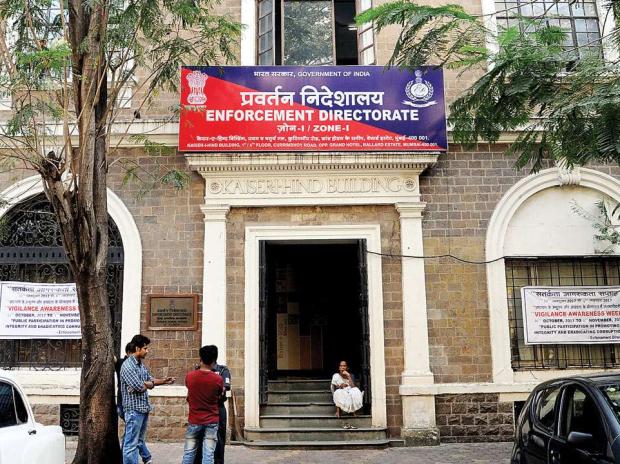
The Enforcement Directorate (ED) has made a significant breakthrough in a high-profile land scam case, seizing assets worth ₹100 crore. The case revolves around illicit land acquisition practices involving the Muda (Metropolitan Development Authority), implicating dummy owners allegedly connected to government officials. This seizure marks a crucial step in the investigation aimed at unraveling the intricate web of corruption and recovering the ill-gotten gains derived from the fraudulent activities. The modus operandi of the scam appears to involve the use of shell companies and benami properties to mask the true beneficiaries of the illegal land deals. By identifying and seizing these assets, the ED hopes to send a strong message against corruption and deter future instances of such fraudulent practices. The involvement of dummy owners suggests a deliberate attempt to conceal the identities of those truly responsible for orchestrating the scam, making the investigation particularly challenging. The ED's meticulous investigation is crucial for bringing the culprits to justice and restoring public trust in the integrity of land administration. Further investigations are underway to trace the money trail and identify all individuals involved in the alleged scam. This case highlights the importance of stringent regulatory oversight and accountability in land transactions to prevent the exploitation of loopholes for personal gain. The alleged involvement of government officials raises serious concerns about the integrity of public service and the need for greater transparency and ethical conduct in governance. The investigation is likely to uncover a complex network of individuals and entities involved in facilitating the illegal land grab. The ED's actions are aimed at not only recovering the stolen assets but also deterring future instances of corruption and ensuring that those responsible are held accountable for their actions. The case underscores the need for robust mechanisms to detect and prevent land scams and to protect the interests of legitimate landowners and the public at large. The impact of such scams extends beyond financial losses, eroding public trust in institutions and hindering sustainable development. The ED's ongoing efforts to investigate and prosecute those involved in the Muda land scam are vital for upholding the rule of law and promoting good governance. The case serves as a reminder of the pervasive nature of corruption and the importance of concerted efforts to combat it at all levels of society. The recovery of ₹100 crore in assets represents a significant victory in the fight against corruption, but it is only the first step in a long and complex process. The ED will need to continue its investigation to identify all individuals involved in the scam and ensure that they are brought to justice. The case also highlights the importance of public vigilance and the need for citizens to report suspected instances of corruption to the authorities. By working together, the government, law enforcement agencies, and the public can create a more transparent and accountable system that deters corruption and promotes good governance. The Muda land scam is a stark reminder of the devastating consequences of corruption and the urgent need for action to address it. The ED's investigation is a crucial step in this process, and its success will depend on the cooperation of all stakeholders. The ultimate goal is to create a society where corruption is no longer tolerated and where the rule of law is upheld. The ongoing investigation by the ED in the Muda land case has significant implications for the real estate sector and the overall business climate. The exposure of widespread corruption can deter investors and undermine confidence in the market. Therefore, it is essential that the authorities take decisive action to address the root causes of corruption and create a level playing field for all participants. The ED's investigation is also likely to have a ripple effect on other sectors of the economy. Companies that have engaged in corrupt practices may face legal action and reputational damage. This can lead to a decline in their business performance and a loss of jobs. Therefore, it is important for companies to implement strong compliance programs and to ensure that their employees are aware of the risks of corruption. The ED's investigation is a reminder that corruption is a serious problem that can have far-reaching consequences. By taking decisive action to address it, the authorities can create a more transparent and accountable system that promotes economic growth and social development. The long-term success of the fight against corruption depends on the active participation of all stakeholders. Governments, businesses, civil society organizations, and individuals all have a role to play in creating a more ethical and transparent society.
The ramifications of the ED's action extend beyond the immediate financial implications. The exposure of such large-scale corruption within a metropolitan development authority undermines public trust in government institutions. It raises questions about the effectiveness of oversight mechanisms and the integrity of public officials. This erosion of trust can have a detrimental impact on citizen engagement and participation in governance. When people lose faith in the system, they are less likely to cooperate with authorities, report wrongdoing, or participate in democratic processes. This can lead to a further decline in governance and a weakening of the rule of law. Therefore, it is crucial for the government to take swift and decisive action to restore public trust. This includes not only prosecuting those involved in the Muda land scam but also implementing reforms to prevent future instances of corruption. These reforms should focus on strengthening oversight mechanisms, increasing transparency, and promoting ethical conduct among public officials. In addition, the government should invest in public education campaigns to raise awareness about the dangers of corruption and encourage citizens to report suspected wrongdoing. By taking these steps, the government can rebuild public trust and create a more accountable and transparent system of governance. The Muda land scam also highlights the need for greater scrutiny of land transactions. Land is a valuable resource, and its acquisition and development can have significant social and economic impacts. Therefore, it is essential that land transactions are conducted in a fair and transparent manner. This requires strong regulatory frameworks, effective enforcement mechanisms, and independent oversight bodies. In addition, the government should consider implementing measures to promote land ownership among disadvantaged groups. This can help to address historical inequalities and promote more equitable access to land. The ED's investigation into the Muda land scam is a crucial step in addressing these issues. By exposing the corrupt practices involved in land acquisition, the investigation can help to create a more level playing field for all participants. In addition, the investigation can provide valuable insights into the weaknesses in the regulatory framework and the enforcement mechanisms. This can help the government to develop more effective policies and strategies for preventing future instances of land scams. The fight against corruption is a long and difficult one, but it is essential for ensuring sustainable development and social justice. By working together, the government, law enforcement agencies, civil society organizations, and individuals can create a more transparent and accountable system that deters corruption and promotes good governance. The Muda land scam is a reminder that corruption is a pervasive problem that can affect all sectors of society. Therefore, it is important to remain vigilant and to take action to address corruption whenever it arises. The ED's investigation is a crucial step in this process, and its success will depend on the cooperation of all stakeholders.
The focus on dummy owners and their connections to officials in the Muda land case underscores the importance of beneficial ownership transparency. Often, complex corporate structures and layers of intermediaries are used to conceal the true owners of assets and businesses, making it difficult to trace illicit funds and identify those responsible for corrupt activities. This lack of transparency facilitates money laundering, tax evasion, and other financial crimes. Strengthening beneficial ownership transparency requires governments to collect and maintain accurate information on the true owners of companies and other legal entities. This information should be readily accessible to law enforcement agencies, financial institutions, and other stakeholders. In addition, governments should work together to share information across borders and to combat the use of shell companies and other mechanisms to hide beneficial ownership. The ED's investigation in the Muda land case demonstrates the critical role that beneficial ownership transparency can play in combating corruption. By identifying the dummy owners and tracing their connections to government officials, the ED was able to uncover the fraudulent activities and seize the ill-gotten gains. This case highlights the need for greater efforts to promote beneficial ownership transparency at both the national and international levels. The investigation into the Muda land scam also raises questions about the role of professionals, such as lawyers and accountants, in facilitating corruption. These professionals may be complicit in corrupt activities by helping to set up shell companies, launder money, or conceal assets. Therefore, it is important for regulatory bodies to hold these professionals accountable for their actions and to ensure that they adhere to the highest ethical standards. In addition, governments should consider implementing measures to protect whistleblowers who report suspected instances of professional misconduct. The fight against corruption requires a multi-faceted approach that addresses all aspects of the problem. This includes strengthening regulatory frameworks, improving enforcement mechanisms, promoting transparency, and holding corrupt individuals accountable for their actions. The ED's investigation in the Muda land case is a crucial step in this process, but it is only one piece of the puzzle. To effectively combat corruption, it is essential to create a culture of integrity and accountability throughout society. This requires a commitment from all stakeholders, including governments, businesses, civil society organizations, and individuals. By working together, we can create a more transparent and accountable system that deters corruption and promotes good governance.
Source: ED seizes ₹100 cr in Muda land case, dummy owners linked to officials