
 |
|
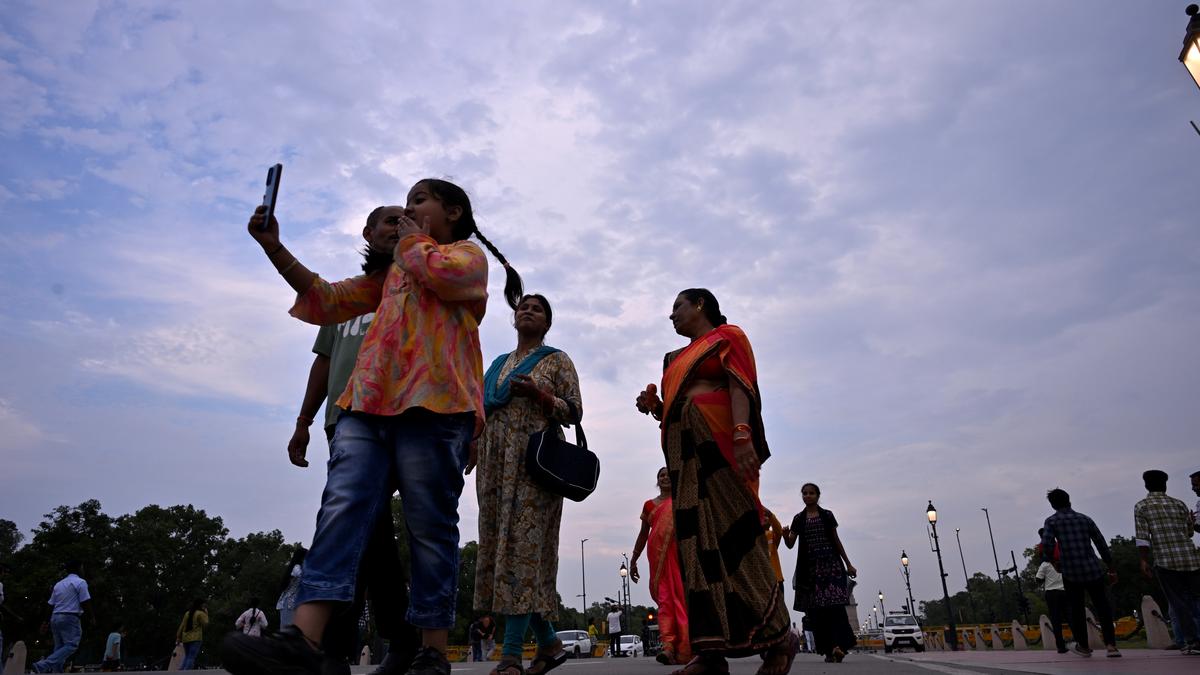
The city of Delhi experienced a welcome respite from the oppressive humidity on Saturday as parts of the region received pre-monsoon showers. These showers offered a temporary reprieve from the sweltering conditions that had been plaguing the national capital. The India Meteorological Department (IMD) has issued an 'orange' alert, advising residents to be aware of potential thunderstorms and gusty winds, with speeds that could reach up to 50 kilometers per hour. This alert indicates a heightened level of preparedness and caution is necessary to ensure public safety during the anticipated weather disturbances. Rainfall was reported across various parts of Delhi, including the east, west, south, and southeast regions, demonstrating the widespread nature of the showers. The weather station located at Palam recorded a rainfall of 9.7 mm, providing a quantitative measure of the precipitation received in that specific area. While Delhi has missed its usual monsoon arrival date of June 27th, according to the IMD, conditions are becoming increasingly favorable for the onset of the monsoon rains in the near future. This suggests that the wait for the full monsoon season may not be much longer, and residents can anticipate further relief from the heat and humidity. The IMD has further predicted that on Sunday, the skies over Delhi will be generally cloudy, with the possibility of light to moderate rain, accompanied by thundershowers, lightning, and gusty winds. This forecast reinforces the expectation of continued unsettled weather conditions and highlights the importance of remaining vigilant and prepared for potential weather-related disruptions. The expected maximum and minimum temperatures for Sunday are around 34 and 26 degrees Celsius, respectively. These temperatures indicate a slight moderation in the heat compared to the preceding days, providing further relief from the intense summer conditions. Earlier this year, the IMD had forecast an early onset of the monsoon season on June 24th. However, the monsoon trough, which is a crucial weather system that drives the monsoon rains, has remained stationary south of the city. This stationary trough has resulted in cloudy skies and humid weather in Delhi, contributing to the delay in the monsoon's arrival. The location and movement of the monsoon trough are essential factors in determining the timing and intensity of the monsoon season in India. The fact that it is stationary south of Delhi explains the prevailing conditions and the deferred arrival of the monsoon. The people of Delhi are eagerly awaiting the arrival of the monsoon season to find solace from the scorching heat. The pre-monsoon showers have provided some relief, but the monsoon season brings significant benefits, including reduced temperatures, replenished water resources, and a rejuvenated environment. The dependence on monsoon rains for agriculture and overall water security makes it a crucial factor in the socio-economic well-being of the country. The delay in the monsoon's arrival can raise concerns about water availability for irrigation and other purposes. Farmers especially are hoping for the monsoon to arrive to begin their crop planting season. The economic effect of the rains influences their ability to grow and provide crops. In addition to the rainfall and temperature changes, the monsoon season also brings changes in air quality. As the monsoon rains arrive, they tend to wash away pollutants and dust particles from the atmosphere, leading to improved air quality. The monsoon plays an important role in determining the environmental health of Delhi. Given the current environmental challenges that Delhi is already facing, the arrival of the monsoon is considered not just as a meteorological event but as an opportunity to address air pollution issues. The IMD's forecasts and alerts are vital for the people of Delhi, as they provide advance warnings about potential weather-related hazards. By staying informed about the weather conditions and following the IMD's recommendations, people can take necessary precautions to protect themselves and their property. These precautions can include avoiding outdoor activities during thunderstorms, securing loose objects that could be blown away by strong winds, and preparing for potential waterlogging or flooding in low-lying areas. In addition to individual preparedness, it's equally important for authorities to be well-prepared to respond to any weather-related emergencies. Emergency services should be readily available to provide assistance to those in need. The necessary infrastructure should be in place to handle heavy rainfall and potential flooding situations. The cooperation between citizens and authorities is essential to ensure a safe and smooth transition through the monsoon season. The situation is also significant in the broader context of climate change. Variations in monsoon patterns and the increasing frequency of extreme weather events are some of the effects of a changing climate. Understanding these changes and their implications for regions like Delhi is crucial to develop adaptive strategies and mitigate the impacts of climate change. The study and analysis of monsoon patterns also helps in understanding the bigger picture of the global climate and how human actions are affecting the environment. Ultimately, the people of Delhi eagerly await the full arrival of the monsoon season, hoping for sustained relief from the heat, improved air quality, and an abundance of water resources. The pre-monsoon showers have provided a small taste of what's to come, but the full monsoon season will bring much greater benefits to the city and its residents.
The monsoon season holds immense significance for Delhi, not only for its direct impact on the weather and environment but also for its socio-economic implications. The monsoon's arrival brings respite from the scorching summer heat, significantly lowering temperatures and providing a much-needed break from the intense conditions that Delhi experiences during the pre-monsoon months. This relief from the heat has a positive effect on people's health and well-being, reducing the risk of heatstroke and other heat-related illnesses. Additionally, the monsoon rains play a crucial role in replenishing Delhi's water resources. The city relies heavily on rainfall to recharge its groundwater aquifers and fill its reservoirs, which are essential for providing drinking water and water for other uses throughout the year. A good monsoon season ensures an adequate supply of water for Delhi's growing population. In addition to its direct impacts on the environment and water resources, the monsoon also has significant implications for agriculture and the economy. Although Delhi is not primarily an agricultural region, the monsoon rains affect agricultural activities in the surrounding areas, which in turn has a bearing on the availability and prices of food crops in Delhi. A good monsoon season leads to better crop yields and lower food prices, benefitting both farmers and consumers. Moreover, the monsoon season also has indirect effects on other economic activities, such as tourism and construction. The cooler temperatures and greener environment during the monsoon make Delhi a more attractive destination for tourists, boosting the tourism industry. The monsoon rains also provide water for construction activities, which can help to keep construction projects on track. However, the monsoon season also poses certain challenges for Delhi. Heavy rainfall can lead to waterlogging and flooding in low-lying areas, disrupting traffic and causing damage to property. In recent years, Delhi has experienced an increase in the frequency and intensity of extreme rainfall events, which have resulted in severe flooding and widespread damage. These extreme weather events have highlighted the importance of improving Delhi's drainage infrastructure and disaster preparedness measures. The IMD's forecasts and alerts play a crucial role in helping Delhi to prepare for and mitigate the impacts of monsoon-related hazards. By providing accurate and timely information about weather conditions, the IMD enables authorities and individuals to take necessary precautions and avoid potential risks. The orange alert that has been issued for Delhi indicates the potential for severe weather conditions, such as thunderstorms and gusty winds. This alert serves as a reminder for people to be aware of their surroundings and take necessary precautions to protect themselves and their property. The Delhi government has also been taking steps to improve the city's drainage infrastructure and disaster preparedness measures. These measures include the construction of new drains and pumping stations, as well as the development of a comprehensive disaster management plan. In addition to government efforts, individual citizens also have a role to play in preparing for the monsoon season. This includes clearing drains and waterways around their homes, avoiding low-lying areas during heavy rainfall, and staying informed about weather forecasts and alerts. The impact of climate change is also a major concern for Delhi. Climate change is expected to lead to more extreme weather events, including more intense rainfall and more prolonged droughts. Delhi needs to adapt to the changing climate by investing in climate-resilient infrastructure and implementing sustainable water management practices. By taking these steps, Delhi can reduce its vulnerability to the impacts of climate change and ensure a more sustainable future for its residents.
The interplay between meteorological factors, environmental concerns, and socio-economic impacts underscores the intricate relationship between Delhi and the monsoon season. The delay in the monsoon's arrival, as highlighted in the article, is a reminder of the increasing unpredictability of weather patterns in the context of global climate change. The stationary monsoon trough, a critical determinant of rainfall distribution, is an anomaly that deviates from established seasonal norms. This deviation can have significant consequences for water availability, agricultural productivity, and overall ecological balance in the region. The IMD's role in monitoring and forecasting weather events becomes even more crucial in such situations. Accurate and timely information empowers individuals, communities, and government agencies to prepare for potential hazards and mitigate risks. The issuance of an 'orange' alert indicates a heightened level of concern and necessitates proactive measures to ensure public safety. The forecast of light to moderate rain, accompanied by thundershowers, lightning, and gusty winds, underscores the need for vigilance and preparedness. The expected temperature range of 34 to 26 degrees Celsius suggests a welcome respite from the scorching summer heat, but it also emphasizes the need to stay hydrated and avoid strenuous activities during peak hours. The pre-monsoon showers, while providing temporary relief, are not a substitute for the sustained rainfall that the monsoon season brings. The monsoon plays a vital role in replenishing groundwater reserves, recharging water bodies, and sustaining agricultural activities. The delay in the monsoon's arrival can have cascading effects on these essential resources, potentially leading to water scarcity, reduced crop yields, and economic hardship. The article also highlights the broader context of climate change and its potential impact on monsoon patterns. Climate change is expected to exacerbate existing weather variability and increase the frequency and intensity of extreme weather events. This could translate into more frequent droughts, floods, and other natural disasters, posing significant challenges for cities like Delhi. Addressing these challenges requires a multi-faceted approach that involves climate mitigation, adaptation, and resilience-building measures. Mitigation efforts aim to reduce greenhouse gas emissions and slow down the pace of climate change. Adaptation measures focus on adapting to the impacts of climate change that are already being felt, such as rising sea levels, increased temperatures, and more extreme weather events. Resilience-building measures aim to enhance the capacity of communities and ecosystems to cope with the impacts of climate change. In the case of Delhi, this could involve investing in climate-resilient infrastructure, promoting sustainable water management practices, and developing comprehensive disaster management plans. The monsoon season is not just a meteorological event; it is a socio-economic phenomenon that has profound implications for the lives and livelihoods of millions of people. The delay in the monsoon's arrival serves as a reminder of the need to be prepared for the challenges that climate change poses and to take proactive steps to build a more sustainable and resilient future. The collaboration of governmental bodies, scientists, and the populace is essential for navigating the complexities of climate change and securing a sustainable future. In light of the information, one can confidently say that the delayed monsoon has potential societal, health and infrastructural implications. A concerted effort to plan for those is vital. As the region patiently awaits the downpour, keeping updated with the latest meteorological updates and forecasts will be beneficial.
Source: Light rain brings respite from humidity as Delhi misses its date with monsoon