
 |
|
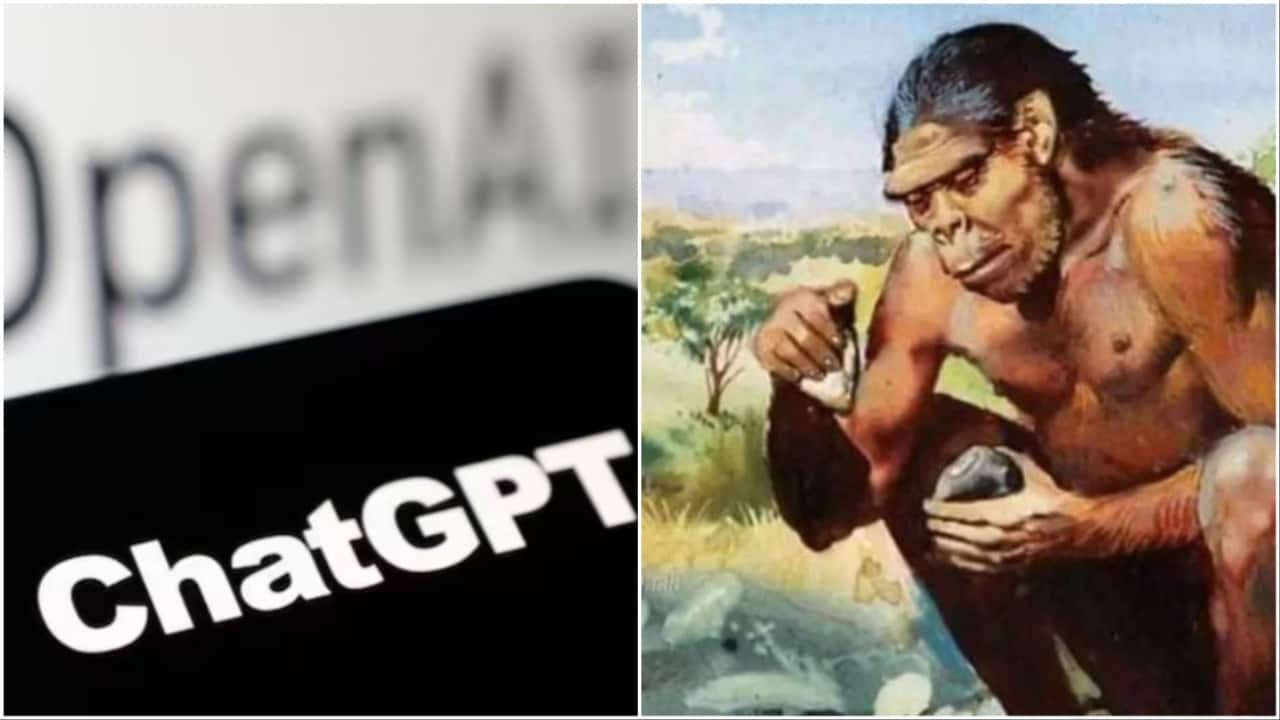
The global outage of OpenAI's ChatGPT on Tuesday sent shockwaves through the internet, highlighting the increasing reliance on AI tools in daily life, especially within professional settings. The disruption, which left countless users unable to access the popular chatbot, quickly ignited a flurry of reactions across social media platforms, most notably X (formerly Twitter). The hashtag "ChatGPTisdown" became a trending topic as users flooded the platform with a diverse range of memes and jokes, humorously depicting the challenges and frustrations caused by the service interruption. These reactions underscored the extent to which ChatGPT has become integrated into various workflows, from content creation and research to simple information retrieval and task automation. The widespread dependence on the AI chatbot, though a testament to its utility and efficiency, also revealed a potential vulnerability in relying too heavily on a single technological resource. This incident served as a stark reminder of the importance of having backup plans and alternative strategies in place when critical digital tools become temporarily unavailable. The surge of online reactions provided a fascinating glimpse into the collective consciousness, reflecting both the humorous side of technological dependence and the underlying anxiety associated with the potential disruptions caused by AI outages. The situation also sparked a broader conversation about the ethical considerations and practical implications of relying on AI-powered tools in various aspects of modern life. The rapid proliferation of AI technologies necessitates a careful examination of their potential impact on human productivity, creativity, and overall well-being. It is essential to develop a balanced approach that leverages the benefits of AI while mitigating the risks associated with over-reliance and dependence. The ChatGPT outage served as a valuable learning experience, prompting individuals and organizations to re-evaluate their AI strategies and prioritize resilience in the face of unforeseen technological disruptions. As AI continues to evolve and become increasingly integrated into our daily routines, it is crucial to foster a culture of adaptability and critical thinking to ensure that we can navigate the ever-changing landscape of technological advancements effectively.
The memes and jokes that emerged in response to the ChatGPT outage offered a lighthearted yet insightful commentary on the chatbot's role in the modern workplace. Many of the posts humorously portrayed the struggles of office workers who had become overly reliant on ChatGPT for tasks such as writing emails, generating reports, and brainstorming ideas. These memes often depicted scenarios of confusion, frustration, and even panic as employees were forced to resort to their own cognitive abilities to complete their work. The prevalence of these types of reactions underscored the extent to which ChatGPT has become a crutch for some individuals, potentially hindering their own critical thinking skills and problem-solving abilities. While AI tools can undoubtedly enhance productivity and efficiency, it is crucial to avoid becoming overly dependent on them to the point where they replace essential human skills. The ability to think critically, solve problems independently, and communicate effectively are fundamental attributes that should not be sacrificed in the pursuit of technological convenience. The ChatGPT outage served as a wake-up call, reminding individuals of the importance of cultivating and maintaining their own cognitive capabilities. It is essential to strike a balance between leveraging the benefits of AI and nurturing the essential human skills that are necessary for success in a rapidly evolving world. The humorous reactions to the outage also highlighted the potential for AI to become a source of both amusement and frustration. The inherent limitations and occasional quirks of AI-powered tools can sometimes lead to unexpected and comical outcomes, which can be both entertaining and thought-provoking. As AI continues to evolve, it is important to approach it with a sense of humor and perspective, recognizing that it is ultimately a tool designed to assist and augment human capabilities, rather than replace them entirely.
The outage of ChatGPT also had a notable impact on online content creators, particularly those who rely on the chatbot for generating ideas, writing scripts, and crafting social media posts. Many content creators humorously lamented their inability to produce new content without the assistance of ChatGPT, highlighting the chatbot's role as a creative partner and idea generator. This dependence on AI-powered tools for content creation raises important questions about the authenticity and originality of online content. While AI can undoubtedly assist in the creative process, it is crucial to ensure that human ingenuity and creativity remain at the forefront. The use of AI should be seen as a means of enhancing and augmenting human creativity, rather than replacing it entirely. Content creators should strive to maintain a unique voice and perspective, rather than simply relying on AI to generate generic or formulaic content. The ChatGPT outage served as a reminder of the importance of originality and authenticity in the digital world. As AI becomes increasingly sophisticated, it is essential to cultivate and celebrate human creativity, ensuring that online content remains engaging, meaningful, and uniquely human. The disruption caused by the outage also highlighted the potential vulnerabilities of relying on a single platform or tool for content creation. Content creators should consider diversifying their creative resources and developing backup plans to mitigate the risk of future disruptions. This could involve exploring alternative AI tools, collaborating with other creators, or simply honing their own creative skills to become less reliant on external resources. By diversifying their creative strategies, content creators can ensure that they are able to continue producing high-quality content even when faced with unforeseen challenges. The incident underscores the need for resilience and adaptability in the face of technological disruptions, particularly in the ever-evolving world of online content creation.
Beyond the humorous reactions and anecdotal observations, the data provided by Downdetector offered a more quantitative perspective on the severity of the ChatGPT outage. The surge in reported issues, peaking at over 1,100 complaints shortly after 3 pm, underscored the widespread impact of the disruption. The fact that the vast majority of reported issues (93 percent) were directly related to ChatGPT itself, with a smaller percentage concerning the OpenAI app and login problems, indicated that the outage was primarily a problem with the chatbot's core functionality. The timeline provided in the article, noting that the outage began around 2:45 pm and hit its peak just after 3 pm, offers a sense of the rapid escalation of the problem. This rapid escalation suggests that the outage was likely caused by a sudden and unexpected event, such as a server overload or a software glitch. The data provided by Downdetector serves as a valuable tool for monitoring the performance and reliability of online services. By tracking user reports and identifying patterns in service disruptions, Downdetector can provide insights into the underlying causes of outages and help service providers address problems more effectively. The information gleaned from Downdetector can also be used to assess the overall impact of outages on users and businesses, helping to inform decision-making and resource allocation. In the case of the ChatGPT outage, the data from Downdetector confirmed the widespread impact of the disruption and underscored the need for OpenAI to address the underlying issues quickly and efficiently. The incident highlights the importance of robust monitoring and incident response procedures for online services, ensuring that disruptions are detected and resolved as quickly as possible to minimize the impact on users.
The article also makes a brief reference to ChatGPT's impressive growth trajectory, noting that the chatbot recently reached a significant milestone of 1 billion search requests per day. The comparison to Google's early growth is particularly striking, with the article reporting that ChatGPT reached this milestone 5.5 times faster than Google did. This rapid growth is a testament to the popularity and utility of ChatGPT, as well as the increasing demand for AI-powered tools in general. The fact that ChatGPT has been able to achieve such rapid growth in a relatively short period of time underscores the transformative potential of AI and its ability to disrupt existing markets and industries. The comparison to Google also highlights the competitive landscape in the AI space, with numerous companies vying for dominance in this rapidly evolving field. The race to develop and deploy cutting-edge AI technologies is likely to intensify in the coming years, with significant implications for the future of work, education, and society as a whole. The success of ChatGPT is a clear indication that AI is no longer a futuristic concept but a present-day reality that is rapidly transforming the way we live and work. As AI continues to evolve and become more integrated into our daily routines, it is essential to consider the ethical and societal implications of this technology and to develop strategies for ensuring that AI is used in a responsible and beneficial manner. The rapid growth of ChatGPT also highlights the need for greater investment in AI research and development, as well as education and training programs to prepare the workforce for the challenges and opportunities of the AI era. By fostering a culture of innovation and collaboration, we can harness the full potential of AI to create a more prosperous and equitable future for all.
In conclusion, the ChatGPT outage served as a valuable case study, highlighting the increasing reliance on AI tools, the potential vulnerabilities associated with technological dependence, and the importance of fostering resilience and adaptability in the face of unforeseen disruptions. The humorous reactions on social media provided a lighthearted yet insightful commentary on the chatbot's role in the modern workplace and the potential impact of AI on human skills and creativity. The data from Downdetector offered a more quantitative perspective on the severity of the outage, underscoring the widespread impact of the disruption. The reference to ChatGPT's impressive growth trajectory highlighted the transformative potential of AI and its ability to disrupt existing markets and industries. The incident underscores the need for individuals, organizations, and policymakers to carefully consider the ethical and societal implications of AI and to develop strategies for ensuring that this technology is used in a responsible and beneficial manner. As AI continues to evolve and become more integrated into our daily routines, it is essential to foster a culture of innovation, collaboration, and critical thinking to navigate the ever-changing landscape of technological advancements effectively. The ChatGPT outage serves as a reminder that technology is a powerful tool, but it is ultimately up to us to ensure that it is used wisely and responsibly.
Source: 'ChatGPT is down': Memes and jokes flood internet. 'It's time to use my brain'