
 |
|
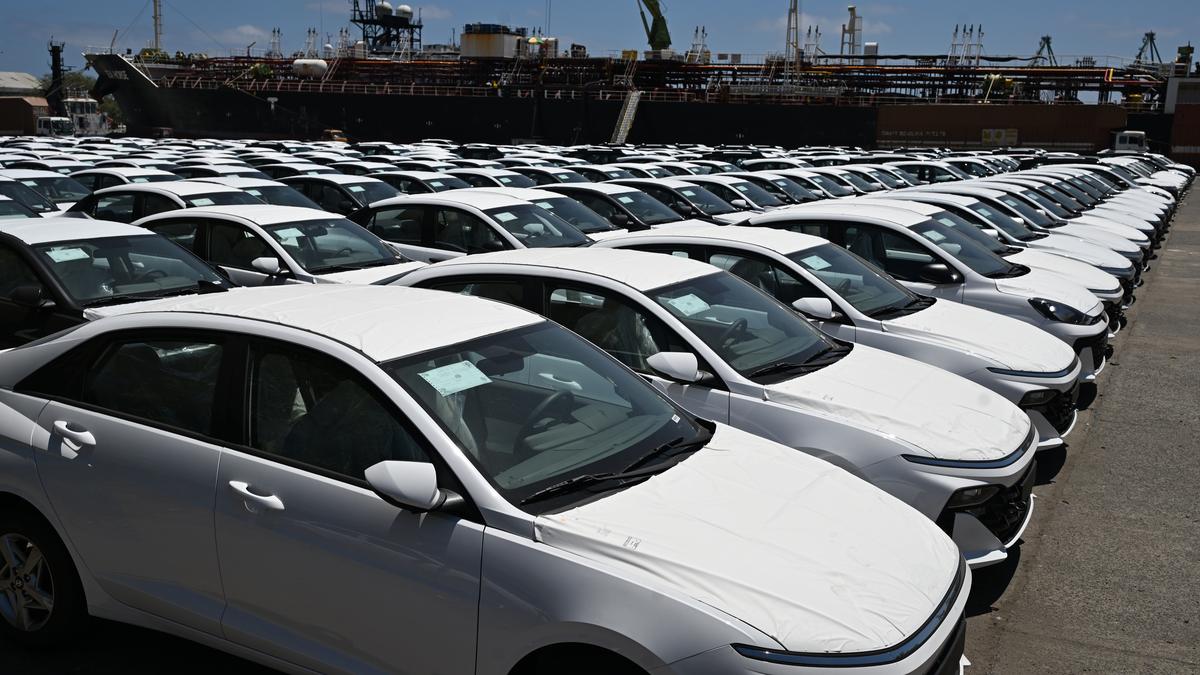
The Indian government's recent notification of guidelines aimed at promoting the domestic manufacturing of electric cars represents a significant step towards fostering the growth of the electric vehicle (EV) sector in the country. The centerpiece of these guidelines is the provision of a concessional import duty of 15% on completely built-up units (CBUs) of electric passenger cars, a move designed to incentivize foreign manufacturers to consider establishing production facilities within India. This initiative, formally known as the “Scheme to Promote Manufacturing of Electric Passenger Cars in India” (SPMEPCI), comes after a period of deliberation and refinement, with the government having initially announced its import policy fifteen months prior. The scheme’s objective is to attract investment, stimulate local production, and ultimately accelerate the adoption of electric vehicles across the Indian market, thereby contributing to a reduction in carbon emissions and a move towards a more sustainable transportation ecosystem.
The timing of this announcement, however, is juxtaposed with remarks made by Union Minister H.D. Kumaraswamy, who stated that global EV giant Tesla is currently not interested in establishing manufacturing operations in India. According to the Minister, Tesla's primary focus lies in establishing showrooms rather than engaging in full-scale production within the country. This revelation casts a shadow over the government's aspirations, as Tesla's presence in the Indian EV market would undoubtedly serve as a major catalyst for growth and innovation. Tesla's decision to prioritize showrooms over manufacturing suggests a strategic approach that may be driven by various factors, including concerns about the regulatory environment, infrastructure limitations, or perceived market demand in India. Despite Tesla's apparent reluctance, the government remains optimistic that the SPMEPCI scheme will attract other EV manufacturers to invest in India, thereby fostering competition and driving down prices for consumers.
The SPMEPCI scheme outlines specific criteria and limitations for EV manufacturers seeking to avail themselves of the reduced customs duty. To be eligible, the imported CBUs must have a minimum cost-insurance-freight (CIF) value of $35,000. The reduced customs duty of 15% will be applicable for a period of five years from the date of application approval. Furthermore, the scheme imposes a cap on the maximum number of electric four-wheelers that can be imported at the reduced customs duty, limiting it to 8,000 units per year. Recognizing the potential for fluctuations in demand, the government has included a provision that allows for the carryover of unutilized annual import allowances to the subsequent year. This flexibility is intended to provide manufacturers with greater operational latitude and to mitigate the risk of underutilization of the scheme's benefits. The minimum investment required to benefit from this concessional duty is also a key factor to attract serious players.
One notable aspect of the SPMEPCI scheme is its departure from the previous version of the policy, specifically with regard to the treatment of brownfield investments. Following concerns raised by Indian manufacturers such as Maruti Suzuki India and Tata Motors, the government has decided to allow brownfield investments under the scheme. This decision reflects a recognition of the importance of supporting existing domestic manufacturers and encouraging them to transition towards electric vehicle production. By allowing brownfield investments, the government aims to leverage the existing infrastructure and expertise of established automotive companies, thereby accelerating the pace of EV adoption in the country. Brownfield investments typically involve the upgrading or expansion of existing facilities, as opposed to greenfield investments, which involve the construction of new facilities from the ground up. The inclusion of brownfield investments in the SPMEPCI scheme is expected to level the playing field for domestic manufacturers and to encourage them to invest in the development and production of electric vehicles.
The broader context surrounding the SPMEPCI scheme involves the Indian government's overarching commitment to promoting electric mobility and reducing the country's dependence on fossil fuels. India has set ambitious targets for the adoption of electric vehicles, aiming to achieve a significant percentage of EV penetration in the automotive market by 2030. To achieve these targets, the government has implemented a range of policies and initiatives, including subsidies for EV purchases, incentives for the development of charging infrastructure, and regulations aimed at reducing emissions from conventional vehicles. The SPMEPCI scheme represents a key component of this broader strategy, as it seeks to attract foreign investment, stimulate domestic production, and ultimately drive down the cost of electric vehicles, making them more accessible to Indian consumers. This approach also hopes to make India a global hub for the manufacturing and export of EVs.
However, the success of the SPMEPCI scheme will depend on several factors, including the attractiveness of the incentives offered, the ease of doing business in India, and the availability of adequate infrastructure. The regulatory environment, including tax policies, labor laws, and environmental regulations, will also play a crucial role in determining whether foreign manufacturers choose to invest in India. Furthermore, the availability of charging infrastructure, skilled labor, and a robust supply chain will be essential for supporting the growth of the EV industry in the country. Without adequate infrastructure and a supportive regulatory environment, the SPMEPCI scheme may fall short of its objectives. The investment into domestic battery production, for example, is crucial to ensure the affordability and supply chain security of EVs manufactured in India.
The reluctance of Tesla to establish manufacturing operations in India highlights the challenges that the government faces in attracting foreign investment. Tesla's decision may be influenced by a variety of factors, including concerns about the regulatory environment, the cost of labor, and the perceived level of demand for electric vehicles in India. The Indian government will need to address these concerns in order to create a more attractive investment climate for foreign manufacturers. The government should focus on streamlining regulatory processes, reducing bureaucratic hurdles, and providing greater clarity and predictability in its policies. It should also invest in infrastructure development, particularly in the areas of charging infrastructure and transportation logistics.
In addition to attracting foreign investment, the Indian government also needs to support the growth of domestic EV manufacturers. Companies like Maruti Suzuki India and Tata Motors have the potential to become major players in the Indian EV market, but they will need support to invest in research and development, expand their production capacity, and compete with foreign manufacturers. The government should consider providing financial incentives, such as tax breaks and subsidies, to encourage domestic manufacturers to invest in electric vehicle technology. It should also promote collaboration between domestic and foreign companies, fostering technology transfer and knowledge sharing. Further incentives include land grants and tax benefits for companies setting up manufacturing plants in designated industrial zones.
The SPMEPCI scheme represents a positive step towards promoting the domestic manufacturing of electric cars in India. However, the government needs to address the challenges that it faces in attracting foreign investment and supporting the growth of domestic EV manufacturers. By creating a more attractive investment climate, investing in infrastructure, and supporting domestic companies, the government can accelerate the adoption of electric vehicles in India and contribute to a more sustainable future. The success of this scheme also depends on its continuous monitoring and adaptation based on the feedback from industry stakeholders and evolving market dynamics. The government should be prepared to make adjustments to the scheme as needed to ensure that it remains effective and relevant in the long term. Moreover, creating public awareness about the benefits of EVs and providing consumer incentives will further drive demand and accelerate the transition to electric mobility.
The importance of developing a comprehensive ecosystem for electric vehicles extends beyond just manufacturing incentives. A robust charging infrastructure is crucial for widespread EV adoption. The government should continue to invest in and incentivize the deployment of charging stations across the country, particularly in urban areas and along major highways. Public-private partnerships can play a significant role in this endeavor, leveraging the expertise and resources of both government agencies and private companies. Standardizing charging protocols and ensuring interoperability between different charging networks are also essential for a seamless user experience. The availability of reliable and convenient charging options will alleviate range anxiety and encourage more consumers to switch to electric vehicles.
Battery technology is another critical area that requires attention. The cost and performance of batteries significantly impact the overall affordability and viability of electric vehicles. The government should support research and development efforts aimed at improving battery technology, increasing energy density, reducing charging times, and extending battery lifespans. Encouraging domestic battery manufacturing is also essential for ensuring supply chain security and reducing reliance on foreign suppliers. Initiatives such as production-linked incentives (PLIs) can incentivize companies to invest in battery manufacturing in India. Furthermore, promoting battery recycling and reuse is crucial for minimizing the environmental impact of electric vehicles and creating a circular economy for battery materials.
The availability of skilled labor is also a key requirement for a thriving EV industry. The government should invest in training programs and vocational education initiatives to develop a workforce with the skills needed to manufacture, maintain, and repair electric vehicles. Collaboration between industry and academia is essential for ensuring that training programs are aligned with the needs of the EV industry. Furthermore, creating opportunities for retraining and upskilling existing automotive workers is crucial for facilitating the transition to electric vehicle manufacturing. A skilled and adaptable workforce will be a major asset for India as it seeks to become a global hub for electric vehicle production.
The role of government extends beyond just providing incentives and regulations. Raising public awareness about the benefits of electric vehicles is also crucial for driving adoption. The government should launch public awareness campaigns to educate consumers about the environmental and economic advantages of EVs, addressing common misconceptions and alleviating concerns about range anxiety. Providing information about available incentives, charging infrastructure, and maintenance requirements can also help consumers make informed decisions about switching to electric vehicles. Furthermore, showcasing successful EV adoption stories and highlighting the positive impact of EVs on air quality and public health can further encourage consumers to embrace electric mobility.
Consumer preferences also play a pivotal role in the widespread adoption of EVs. Currently, the higher upfront cost of EVs compared to their gasoline counterparts presents a significant barrier for many potential buyers. Addressing this cost disparity is crucial for accelerating EV adoption. The government can consider providing additional subsidies or tax incentives to reduce the upfront cost of EVs. Furthermore, innovative financing models, such as leasing and subscription services, can make EVs more accessible to a wider range of consumers. Promoting the development of affordable EV models that cater to the needs of the Indian market is also essential. In addition to cost, consumers also value factors such as range, performance, and charging time. Improving these attributes will further enhance the appeal of electric vehicles.
In conclusion, the Indian government's SPMEPCI scheme represents a significant step towards promoting the domestic manufacturing of electric cars and accelerating the adoption of electric vehicles in the country. However, the success of this initiative will depend on a comprehensive approach that addresses the various challenges and opportunities associated with the EV industry. Attracting foreign investment, supporting domestic manufacturers, developing a robust charging infrastructure, advancing battery technology, cultivating a skilled workforce, raising public awareness, and addressing consumer preferences are all crucial elements of a successful EV ecosystem. The government should continue to monitor the progress of the SPMEPCI scheme and make adjustments as needed to ensure that it remains effective and relevant in the long term. By fostering a collaborative and supportive environment, India can realize its vision of becoming a global leader in electric mobility and contribute to a more sustainable future.
Source: Centre notifies guidelines to boost electric car production