
 |
|
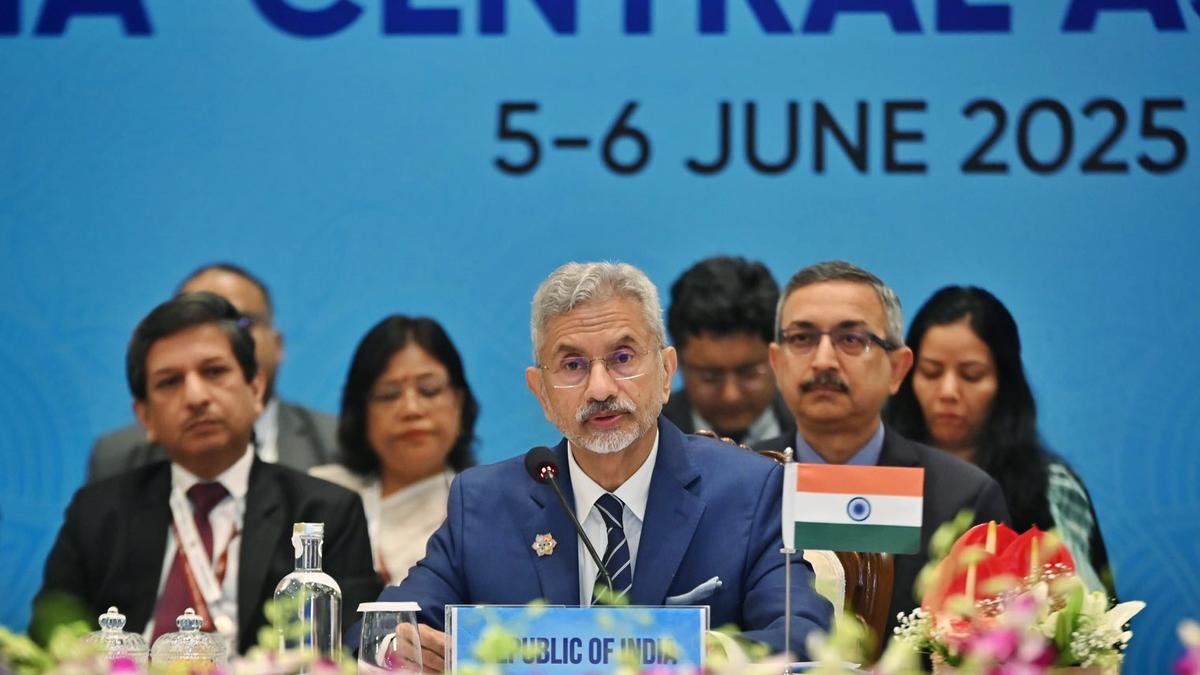
The recent India-Central Asia Dialogue, highlighted by the unequivocal condemnation of the terrorist attack in Pahalgam, underscores the growing importance of regional cooperation in addressing shared security threats and fostering economic prosperity. The joint statement issued by the Foreign Ministers of India, Kazakhstan, Uzbekistan, Kyrgyzstan, Tajikistan, and Turkmenistan represents a unified front against terrorism in all its forms, emphasizing the need to hold accountable not only the perpetrators but also the organizers, financiers, and sponsors of such heinous acts. This commitment to justice and the shared resolve to combat terrorism serve as a crucial foundation for building stronger, more resilient partnerships within the region. The dialogue's emphasis on enhancing connectivity through the International North-South Transport Corridor (INSTC) and promoting greater financial integration further demonstrates the commitment to fostering economic growth and development. S. Jaishankar's remarks highlighting India's role as a trusted development partner for Central Asia reinforces the importance of collaboration in various sectors, including trade, investment, defense, agro-processing, textiles, pharmaceuticals, regional connectivity, security, education, culture, and people-to-people exchanges. These collaborative efforts are designed to strengthen regional stability, promote economic growth, and enhance the overall well-being of the participating countries.
The condemnation of the Pahalgam attack serves as a potent reminder of the persistent threat posed by terrorism in the region. The collective commitment to fight terrorism in all its manifestations, as articulated in the joint statement, reflects a shared understanding of the challenges and a determination to address them collectively. The statement's emphasis on preventing the provision of safe havens for terrorists, combating cross-border terrorism, and countering terror financing, arms and drugs trafficking, and the dissemination of radical ideologies highlights the multifaceted nature of the fight against terrorism. The abuse of cyberspace to spread disinformation and incite violence is also a growing concern, underscoring the need for enhanced cooperation in cybersecurity and information sharing. The call for holding accountable the perpetrators, organizers, financiers, and sponsors of terrorist acts sends a clear message that terrorism will not be tolerated and that those responsible will be brought to justice. This commitment to accountability is essential for deterring future acts of terrorism and for ensuring that victims receive the justice they deserve. The India-Central Asia Dialogue provides a crucial platform for coordinating efforts to combat terrorism and for building stronger partnerships based on mutual trust and respect.
Beyond security cooperation, the India-Central Asia Dialogue has also focused on promoting economic integration and enhancing connectivity. The emphasis on the optimum usage of the International North-South Transport Corridor (INSTC) to enhance connectivity between India and the Central Asian countries is a key component of this effort. The INSTC is a multimodal transportation network that aims to connect India with Russia and Europe via Iran and Central Asia. By reducing transit times and costs, the INSTC can significantly boost trade and investment between India and the Central Asian countries. The participants at the dialogue emphasized that connectivity projects should be based on principles of transparency, broad participation, local priorities, financial sustainability, and respect for sovereignty and territorial integrity. These principles are essential for ensuring that connectivity projects are beneficial to all participating countries and that they contribute to sustainable economic development. India's support for the membership of Turkmenistan and Uzbekistan in the INSTC further demonstrates its commitment to strengthening regional connectivity and promoting economic integration.
The joint declaration also highlighted the importance of greater financial connectivity between India and Central Asian countries, including through digital payment systems, enhanced inter-bank relations, and trade in national currencies. These measures are designed to facilitate trade, investment, tourism, and people-to-people exchanges. The interest in joint exploration of rare earth and critical minerals also reflects the growing importance of these resources for economic development and technological innovation. The call for the participating countries to organize the second India-Central Asia Rare Earth Forum meeting at the earliest convenience underscores the commitment to fostering collaboration in this strategic sector. S. Jaishankar's description of India as a trusted development partner of Central Asia reinforces the importance of long-term cooperation and mutual support. The various programs and initiatives offered by India, such as ITEC training slots, ICCR scholarships, and high-impact community development projects, demonstrate its commitment to contributing to the socio-economic development of the Central Asian countries. These collaborative efforts are essential for building stronger, more resilient partnerships and for promoting sustainable economic growth throughout the region.
In conclusion, the India-Central Asia Dialogue serves as a vital platform for promoting regional cooperation in addressing shared security threats and fostering economic prosperity. The condemnation of the terrorist attack in Pahalgam and the collective commitment to fight terrorism in all its forms underscores the importance of coordinated efforts to combat this menace. The emphasis on enhancing connectivity through the INSTC and promoting greater financial integration demonstrates the commitment to fostering economic growth and development. S. Jaishankar's remarks highlighting India's role as a trusted development partner for Central Asia reinforces the importance of long-term collaboration and mutual support. By working together, India and the Central Asian countries can build a more secure, prosperous, and stable region for all.
The significance of the India-Central Asia Dialogue extends beyond the immediate concerns of security and economic cooperation; it also reflects a broader geopolitical shift towards greater regional integration and multilateralism. As the global landscape becomes increasingly complex and interconnected, the need for countries to work together to address shared challenges becomes ever more apparent. The India-Central Asia Dialogue provides a crucial forum for fostering dialogue, building trust, and coordinating efforts on a range of issues, from terrorism and economic development to climate change and cultural exchange. The commitment to principles of transparency, broad participation, and respect for sovereignty is essential for ensuring that these partnerships are sustainable and mutually beneficial. The focus on enhancing connectivity, both physical and financial, underscores the importance of facilitating the flow of goods, capital, and people across borders. This, in turn, can lead to greater economic growth, job creation, and improved living standards for all.
Furthermore, the India-Central Asia Dialogue highlights the growing importance of Central Asia as a strategic region in the Eurasian landmass. With its rich natural resources, its strategic location, and its growing economies, Central Asia is poised to play an increasingly important role in global affairs. India's engagement with Central Asia is driven by a number of factors, including its desire to expand its economic footprint in the region, to enhance its security cooperation with Central Asian countries, and to promote regional stability. The India-Central Asia Dialogue provides a platform for India to strengthen its ties with Central Asian countries and to work together to address common challenges. The focus on joint exploration of rare earth and critical minerals reflects the growing importance of these resources for India's economic development. By working together with Central Asian countries, India can secure access to these resources and promote its own economic growth.
The success of the India-Central Asia Dialogue will depend on a number of factors, including the continued commitment of all participating countries, the effective implementation of agreed-upon initiatives, and the ability to adapt to changing circumstances. The challenges facing the region are significant, but the opportunities for cooperation are even greater. By working together, India and the Central Asian countries can build a more secure, prosperous, and stable region for all. The India-Central Asia Dialogue is not just a forum for government officials; it is also a platform for businesses, civil society organizations, and individuals to connect and collaborate. By fostering people-to-people exchanges, the Dialogue can help to build bridges between cultures and to promote greater understanding and mutual respect. This, in turn, can contribute to stronger and more resilient partnerships between India and the Central Asian countries.
Looking ahead, the India-Central Asia Dialogue is expected to continue to play a vital role in promoting regional cooperation and integration. The focus will likely remain on addressing shared security threats, enhancing connectivity, and fostering economic growth. However, the Dialogue may also expand to address other issues, such as climate change, environmental protection, and cultural exchange. The India-Central Asia Dialogue is a testament to the power of dialogue and cooperation in addressing complex challenges and building a more peaceful and prosperous world. By working together, India and the Central Asian countries can make a significant contribution to regional stability and global well-being.
In the long run, the strength of the India-Central Asia partnership will be measured not only by the number of agreements signed or the volume of trade conducted, but also by the degree to which it contributes to the overall well-being of the people of the region. The focus on education, healthcare, and sustainable development is essential for ensuring that the benefits of economic growth are shared by all. The promotion of cultural exchange and people-to-people connections is also crucial for building trust and understanding. The India-Central Asia Dialogue provides a unique opportunity to forge a strong and enduring partnership that can serve as a model for regional cooperation in other parts of the world.
Source: Sponsors and perpetrators of terror must be brought to justice, say Central Asian countries