
 |
|
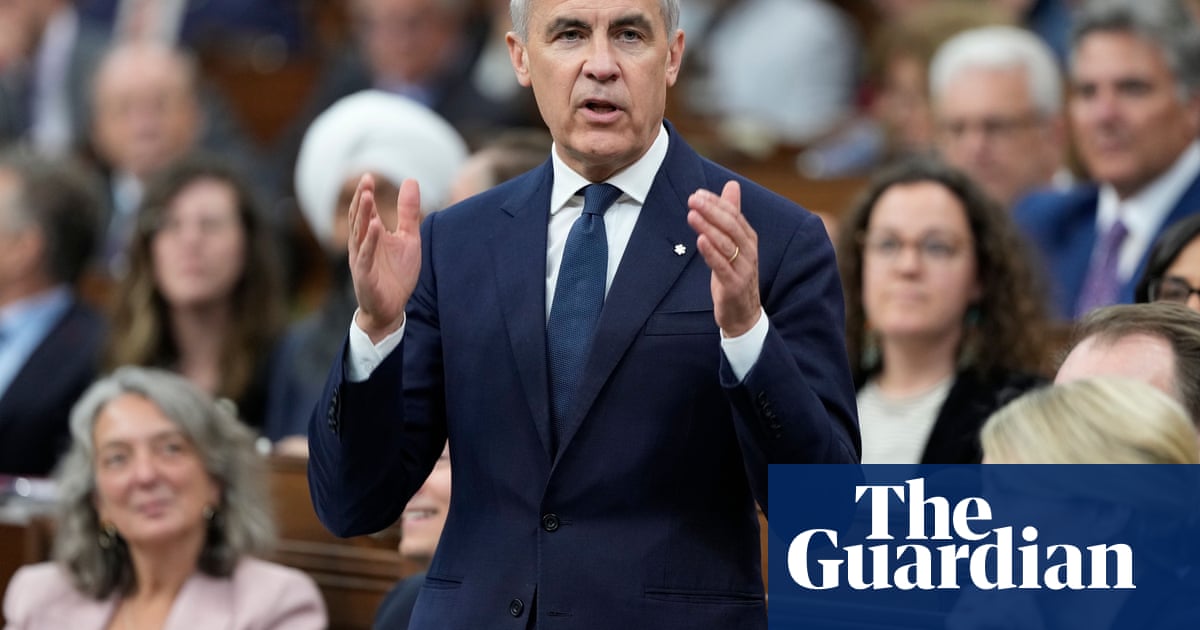
The invitation extended to Indian Prime Minister Narendra Modi by Canadian Prime Minister Mark Carney to the upcoming G7 summit in Alberta has ignited a significant controversy, primarily due to the ongoing investigation into the assassination of Hardeep Singh Nijjar, a prominent Sikh activist in British Columbia. The Royal Canadian Mounted Police (RCMP) have concluded that Nijjar’s murder was orchestrated at the “highest levels” of the Indian government, a claim that has severely strained relations between Canada and India. Carney's decision to proceed with the invitation, despite these serious allegations, has been met with strong criticism from various quarters, particularly from the Sikh community in Canada, who view it as a betrayal of Canadian values and a disregard for the principles of justice and accountability. The situation is further complicated by the legal proceedings underway in Canada, with four Indian nationals residing in Canada charged with Nijjar's murder. Carney's reticence to comment on the matter, citing the ongoing legal process, has only fueled the controversy, leading to accusations of prioritizing geopolitical considerations over ethical concerns. The G7 summit, scheduled to take place in Kananaskis, Alberta, from June 15 to 17, is intended to bring together key world leaders to discuss pressing global issues. However, the shadow of the Nijjar assassination and the controversy surrounding Modi’s invitation threaten to overshadow the summit's objectives and further complicate Canada’s already strained relationship with India. The economic and strategic importance of India, as the fifth-largest economy and the most populous country in the world, makes it a crucial player in global supply chains, energy markets, artificial intelligence, and critical minerals. Carney has emphasized this importance as the rationale behind extending the invitation to Modi, arguing that dialogue and engagement are essential despite the ongoing investigation. This justification, however, has done little to appease critics, who argue that inviting Modi sends a message of impunity and undermines Canada’s commitment to upholding human rights and international law. The World Sikh Organization (WSO) has been particularly vocal in its condemnation of Carney’s decision, describing it as “shameful and dangerous.” The WSO argues that inviting Modi while India denies involvement in Nijjar’s assassination and refuses to cooperate with Canadian authorities sends the wrong message and sets a dangerous precedent. The organization has drawn a parallel with other countries, such as Russia, China, and Iran, whose leaders would not be welcomed under similar circumstances. They argue that India’s alleged interference in Canadian affairs, including orchestrating murders, warrants a similar level of condemnation and isolation. The controversy surrounding Modi’s invitation is occurring against the backdrop of broader efforts by Carney’s new government to ease tensions with other nations with whom Canada has been feuding. This includes efforts to normalize relations with China, following a trade spat that has cost both countries billions of dollars. Carney has also engaged in direct talks with US President Donald Trump to end a trade war between the two allies, which has resulted in economically damaging tariffs on Canadian steel and aluminum. These efforts to improve Canada’s international relations underscore the complex balancing act that Carney is attempting to navigate, weighing the need for diplomatic engagement and economic cooperation against the imperative to uphold ethical principles and address serious allegations of foreign interference. The situation presents a significant challenge for Carney’s leadership, as he seeks to maintain Canada’s credibility on the international stage while also addressing domestic concerns and upholding the rule of law. The outcome of the ongoing investigation into Nijjar’s assassination will undoubtedly have a significant impact on the future of Canada-India relations and on Carney’s political standing.
The complexities of the relationship between Canada and India extend far beyond the immediate controversy surrounding the Nijjar assassination. The two countries have a long history of economic, cultural, and political ties, with a significant Indian diaspora in Canada contributing to the country’s multicultural fabric. However, the relationship has also been marked by periods of tension and disagreement, particularly concerning issues of human rights, religious freedom, and political interference. The allegations of Indian government involvement in Nijjar’s murder have brought these long-standing tensions to the forefront, raising fundamental questions about the nature of the relationship and the extent to which Canada is willing to tolerate foreign interference on its soil. The Indian government has consistently denied any involvement in the assassination, dismissing the allegations as baseless and politically motivated. However, the evidence presented by Canadian authorities, including the RCMP’s conclusion that the murder was orchestrated at the “highest levels” of the Indian government, has cast a shadow of doubt over these denials. The situation is further complicated by the ongoing legal proceedings in Canada, with the four Indian nationals charged with Nijjar’s murder. The outcome of these proceedings will likely have a significant impact on the credibility of the allegations and on the future of Canada-India relations. The controversy surrounding Modi’s invitation to the G7 summit has also raised questions about the role of the G7 itself and its effectiveness as a forum for promoting shared values and addressing global challenges. The G7 is often seen as a gathering of like-minded democracies, committed to upholding human rights, the rule of law, and international cooperation. However, the invitation to Modi, despite the serious allegations against his government, has raised concerns about the G7’s commitment to these values and its willingness to hold powerful countries accountable for their actions. The situation also highlights the challenges of balancing geopolitical considerations with ethical concerns in international relations. Canada, like many other countries, faces the dilemma of needing to engage with countries that may not share its values or adhere to its standards of behavior, in order to address pressing global issues such as climate change, trade, and security. However, engaging with such countries also carries the risk of legitimizing their actions and undermining the principles that Canada claims to stand for. The controversy surrounding Modi’s invitation has forced Canada to confront these difficult choices and to articulate a clear and consistent approach to foreign policy that balances its economic and strategic interests with its commitment to upholding human rights and international law.
The long-term implications of the Nijjar assassination and the controversy surrounding Modi’s invitation to the G7 summit are significant and far-reaching. The relationship between Canada and India is likely to remain strained for the foreseeable future, with the potential for further deterioration if the allegations of Indian government involvement in the assassination are substantiated. The situation also has implications for the Indian diaspora in Canada, particularly the Sikh community, who feel betrayed by Carney’s decision and fear for their safety and security. The controversy has also raised broader questions about the role of foreign interference in Canadian affairs and the need for stronger measures to protect Canadian sovereignty and democracy. The Canadian government is under pressure to take concrete action to address the issue of foreign interference, including strengthening its intelligence agencies, tightening its laws, and working with other countries to combat transnational repression. The situation also highlights the importance of transparency and accountability in government decision-making. Carney’s reticence to comment on the matter, citing the ongoing legal process, has only fueled the controversy and led to accusations of prioritizing political expediency over public accountability. The Canadian government needs to be more transparent about its dealings with India and to provide clear and compelling justifications for its decisions, particularly when those decisions are controversial or raise ethical concerns. Ultimately, the controversy surrounding Modi’s invitation to the G7 summit is a reminder of the complex and challenging nature of international relations. It highlights the need for countries to balance their economic and strategic interests with their commitment to upholding human rights and the rule of law. It also underscores the importance of transparency, accountability, and ethical leadership in government decision-making. The way that Canada handles this situation will have a significant impact on its credibility on the international stage and on its standing as a champion of human rights and democracy.
Source: Canada’s PM faces backlash for inviting India’s Narendra Modi for G7 summit