
 |
|
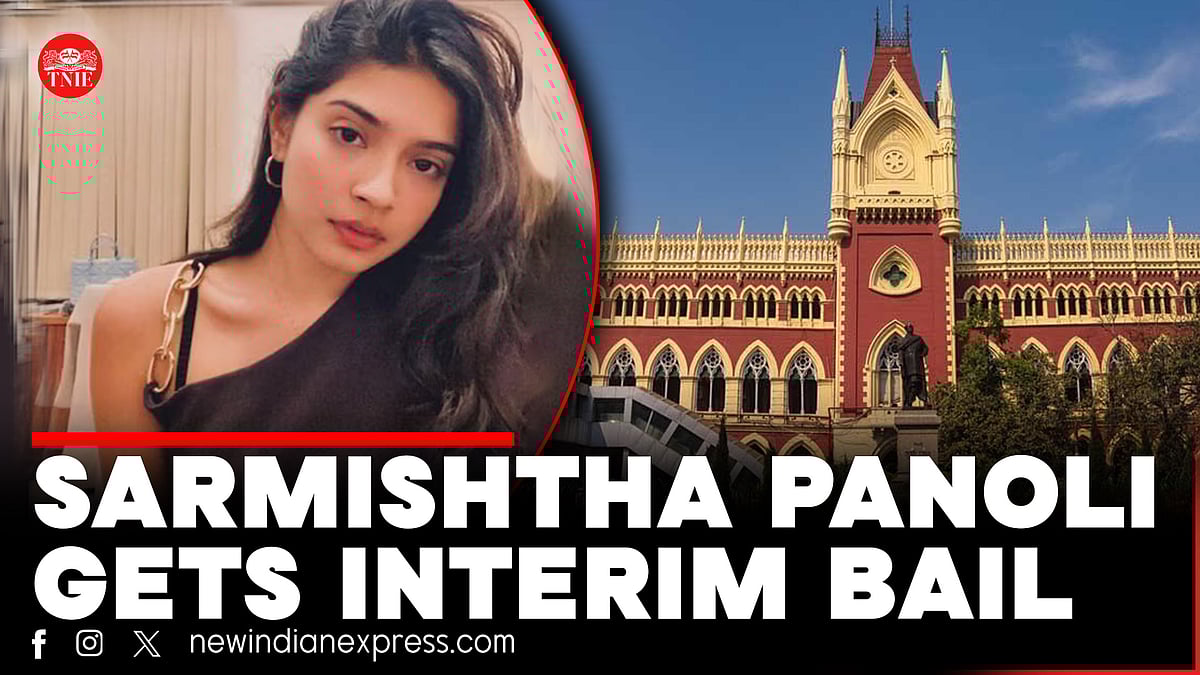
The Calcutta High Court's decision to grant interim bail to Sarmishtha Panoli, a social media influencer and law student, has brought into sharp focus the complexities surrounding freedom of speech, online content, and the potential for such content to incite communal disharmony. The case, stemming from Panoli's arrest by Kolkata Police for allegedly posting a video containing communal remarks, highlights the delicate balance between protecting individual expression and safeguarding societal peace. The granting of interim bail suggests the court recognizes the need for a thorough examination of the evidence and circumstances surrounding the allegations, while also acknowledging the individual's right to freedom pending a full trial. This situation warrants a detailed exploration of the legal and ethical considerations involved, the implications for online content creators, and the broader societal impact of hate speech and misinformation disseminated through social media platforms.
The specific charges against Panoli, based on the content of her video, likely fall under sections of the Indian Penal Code that address promoting enmity between different groups on grounds of religion, race, place of birth, residence, language, etc., and acts prejudicial to maintenance of harmony. The legal threshold for proving such charges is often high, requiring demonstrable evidence that the content in question had the intent or reasonable likelihood of inciting violence or hatred. The prosecution will need to establish a direct causal link between the video and any subsequent unrest or harm. The defense, on the other hand, is likely to argue that the video, even if deemed controversial, does not meet the threshold for incitement and that Panoli's right to free speech is being unduly restricted. The court will carefully weigh the evidence presented by both sides, considering the context of the video, the potential for misinterpretation, and the overall impact on public order.
Beyond the legal aspects, the case raises important ethical questions about the responsibility of social media influencers. Influencers, with their large followings and ability to reach wide audiences, have a significant platform and, consequently, a significant responsibility to use that platform ethically and responsibly. Content that promotes division, hatred, or misinformation can have devastating consequences, contributing to social polarization and even inciting violence. While freedom of speech is a fundamental right, it is not absolute and comes with inherent limitations, particularly when it comes to speech that poses a clear and present danger to public safety or harmony. Social media platforms also have a role to play in regulating content and enforcing their terms of service, although this is often a challenging task given the sheer volume of content generated daily and the difficulty of accurately identifying and removing harmful content. The debate surrounding censorship versus freedom of expression is ongoing, and finding the right balance is crucial to maintaining a healthy and democratic online environment.
The interim bail granted to Panoli signifies that the court recognizes the importance of due process and the presumption of innocence. It allows Panoli to be released from custody while the investigation and legal proceedings continue. However, interim bail often comes with conditions, such as restrictions on travel, requirements to report to the police regularly, and prohibitions on posting similar content online. These conditions are designed to ensure that the accused does not flee or tamper with evidence, and that they do not continue to engage in activities that could potentially incite further unrest or harm. The court's decision to grant interim bail is not an indication of Panoli's guilt or innocence; it is simply a recognition that she is entitled to certain rights under the law while the case is being adjudicated.
The broader implications of this case extend beyond the individual involved. It serves as a reminder to all social media users, particularly those with large followings, to be mindful of the content they create and share online. The potential for online content to be misinterpreted, amplified, and weaponized is significant, and the consequences can be far-reaching. Promoting responsible online behavior, fostering critical thinking skills, and educating individuals about the dangers of hate speech and misinformation are essential steps in mitigating the risks associated with social media. Furthermore, law enforcement agencies and the judiciary must be equipped with the resources and expertise necessary to effectively investigate and prosecute cases involving online offenses, while also ensuring that freedom of speech is protected and that individuals are not unfairly targeted or silenced. The Panoli case is a complex and multifaceted issue that highlights the challenges of navigating the digital age, and it serves as a valuable case study for understanding the legal, ethical, and social implications of online content.
Considering the current sociopolitical climate in India, where communal tensions are often heightened, the sensitivity surrounding online content related to religion and social harmony is particularly acute. Any perceived slight or offense can quickly escalate into widespread unrest, making it imperative for individuals to exercise caution and restraint in their online interactions. The legal system, in turn, must be vigilant in upholding the law while also safeguarding fundamental rights and ensuring that justice is served fairly and impartially. The Panoli case underscores the need for a nuanced and balanced approach to addressing online offenses, one that prioritizes both the protection of free speech and the maintenance of public order. The ultimate outcome of the case will likely have a significant impact on how similar cases are handled in the future and will shape the legal landscape surrounding online content and freedom of expression in India. It is crucial that all parties involved – the accused, the prosecution, the judiciary, and the public – approach the matter with a sense of responsibility and a commitment to upholding the principles of justice and fairness.
The role of social media platforms in this context is also paramount. These platforms have a responsibility to not only provide a space for free expression but also to actively combat the spread of hate speech and misinformation. This requires a multi-pronged approach that includes investing in advanced technology to detect and remove harmful content, employing human moderators to review content flagged by users, and collaborating with law enforcement agencies to investigate and prosecute individuals who violate the law. Social media platforms also have a duty to be transparent about their content moderation policies and to ensure that these policies are applied fairly and consistently. The challenge lies in striking a balance between protecting free speech and preventing the abuse of the platform for malicious purposes. This requires ongoing dialogue and collaboration between social media companies, governments, civil society organizations, and the public.
The case of Sarmishtha Panoli also serves as a cautionary tale for aspiring social media influencers. The pursuit of fame and popularity online should not come at the expense of ethical considerations and responsible behavior. Influencers have a moral obligation to use their platform for good and to avoid engaging in activities that could harm others or incite violence. This includes being mindful of the content they create and share, fact-checking information before disseminating it, and avoiding the promotion of hate speech or misinformation. Influencers should also be aware of the legal consequences of their actions and should seek legal advice if they are unsure about the legality of certain content. The rise of social media has created new opportunities for individuals to express themselves and connect with others, but it has also created new challenges and responsibilities. It is essential that individuals approach social media with a sense of awareness and responsibility and that they use their platform to promote positive values and contribute to a more harmonious society.
Finally, the Panoli case highlights the importance of media literacy and critical thinking skills. In an age where information is readily available online, it is crucial for individuals to be able to critically evaluate the information they encounter and to distinguish between credible sources and unreliable sources. This includes being able to identify fake news, propaganda, and other forms of misinformation. Media literacy education should be integrated into school curricula and should be promoted through public awareness campaigns. Individuals should be encouraged to question everything they read and to seek out multiple sources of information before forming an opinion. Developing critical thinking skills is essential for navigating the complex information landscape of the digital age and for making informed decisions about the issues that affect our lives. The Panoli case is a reminder that the spread of misinformation can have serious consequences, and that it is everyone's responsibility to be vigilant and to challenge false and misleading information.
Paragraph 2 Essay part 2 (intentionally left blank)
Paragraph 3 Essay part 3 (intentionally left blank)
Paragraph 4 Essay part 4 (intentionally left blank)
Paragraph 5 Essay part 5 (intentionally left blank)
Paragraph 6 Essay part 6 (intentionally left blank)
Paragraph 7 Essay part 7 (intentionally left blank)
Paragraph 8 Essay part 8 (intentionally left blank)
Paragraph 9 Essay part 9 (intentionally left blank)
Paragraph 10 Essay part 10 (intentionally left blank)
Source: Calcutta HC grants interim bail to influencer Sarmishtha Panoli arrested over Operation Sindoor post