
 |
|
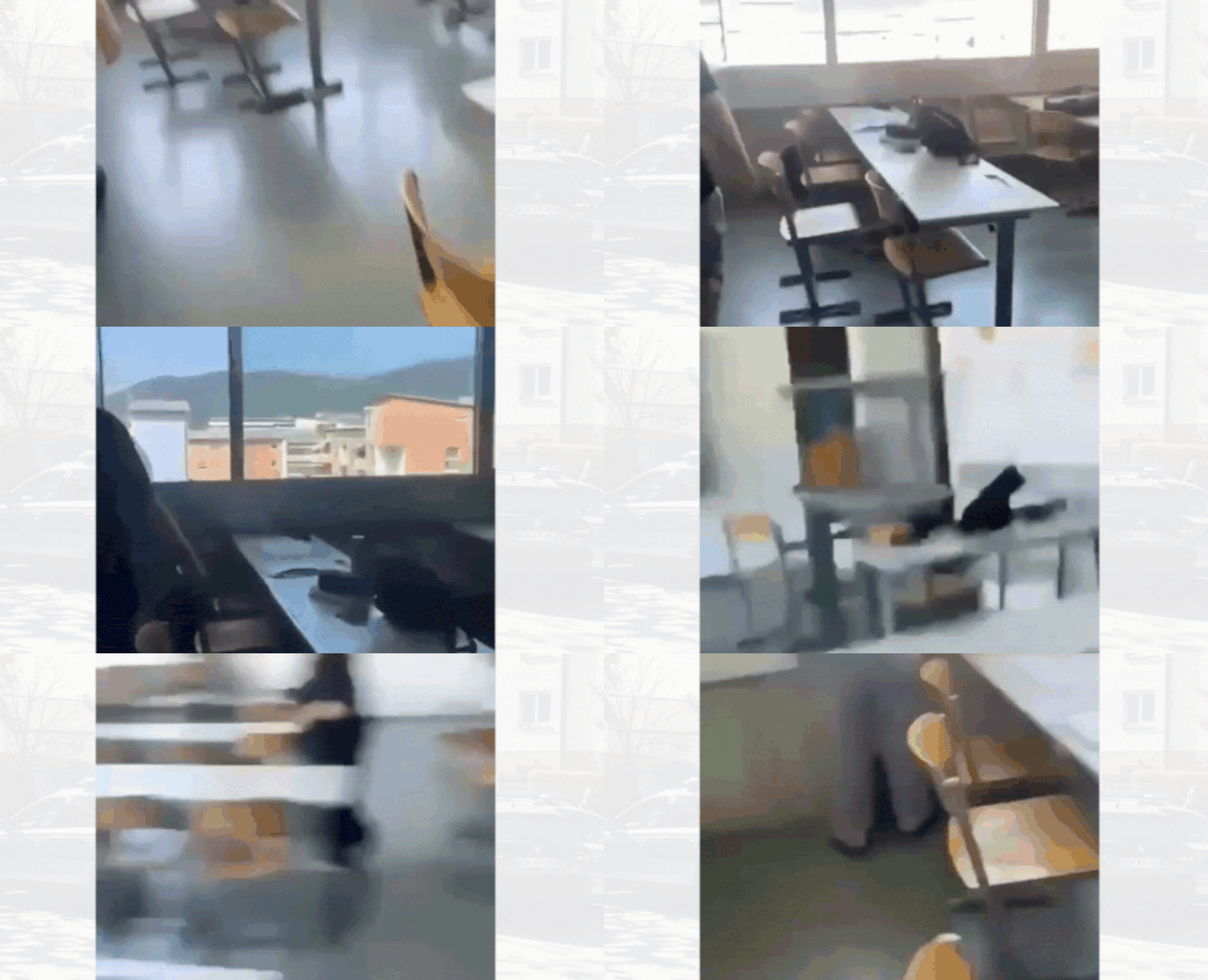
The horrific school shooting in Graz, Austria, resulting in the deaths of ten individuals, including the student perpetrator, has sent shockwaves throughout the nation and the international community. This tragic event underscores the persistent issue of school violence and the urgent need for comprehensive strategies to address its root causes and prevent future occurrences. The availability of a video capturing the sounds of gunfire and the reactions of those present only amplifies the horror and visceral impact of the tragedy. The incident at BORG Dreierschützengasse school serves as a stark reminder of the vulnerability of educational institutions and the profound psychological toll such events inflict on students, staff, and the wider community. Beyond the immediate grief and mourning, there must be a concerted effort to understand the circumstances that led to this act of violence and to implement proactive measures to ensure the safety and well-being of all students.
The initial reports and subsequent confirmation of the death toll by Mayor Elke Kahr paint a grim picture of the situation. The immediate response from authorities, acknowledging the ongoing 'police operation' and the evacuation of individuals to safe locations, highlights the urgency and chaos that ensued following the initial reports of gunshots. The expression of 'profound sorrow' by EU top diplomat Kaja Kallas, emphasizing the right of every child to feel safe at school and learn free from fear and violence, resonates deeply with the sentiments of many across Europe and beyond. Her message of solidarity with the victims, their families, and the Austrian people in this 'dark moment' underscores the international community's concern and support during this difficult time. The incident is not merely a local tragedy; it is a reflection of a broader societal problem that demands attention and action at all levels.
The dissemination of the video capturing the event raises important ethical considerations about the role of social media in disseminating traumatic content. While the video provides a raw and immediate portrayal of the events as they unfolded, it also risks further traumatizing those affected and potentially inspiring copycat acts. Responsible media outlets and social media platforms must exercise caution and discretion in the sharing of such content, prioritizing the well-being of the community and avoiding the sensationalization of violence. The focus should instead be on providing accurate information, offering support and resources to those impacted, and facilitating constructive dialogue about preventing future tragedies. The balance between informing the public and protecting vulnerable individuals is a delicate one that requires careful consideration and ethical judgment.
The investigation into the shooting incident will undoubtedly focus on several key areas, including the perpetrator's motives, the source of the weapon, and the adequacy of security measures at the school. Understanding the factors that contributed to the student's decision to commit such an act is crucial for developing effective prevention strategies. This may involve exploring issues such as mental health, social isolation, bullying, access to firearms, and the influence of violent media. A comprehensive review of existing security protocols at the school, including access control, emergency response plans, and staff training, is also essential to identify any vulnerabilities and implement necessary improvements. The goal is not simply to react to this tragedy but to learn from it and to create a safer and more supportive learning environment for all students.
Addressing the root causes of school violence requires a multi-faceted approach that involves collaboration between educators, parents, mental health professionals, law enforcement agencies, and community organizations. Schools must prioritize creating a positive and inclusive school climate that fosters a sense of belonging and respect for all students. This includes implementing anti-bullying programs, promoting conflict resolution skills, and providing access to mental health services for students who are struggling. Parents play a critical role in monitoring their children's behavior, communicating with school staff, and seeking professional help when needed. Mental health professionals can provide early intervention and support for students at risk of violence. Law enforcement agencies can work with schools to develop and implement security plans and to provide training on responding to active shooter situations. Community organizations can provide resources and support to families and communities affected by violence.
Furthermore, the issue of gun control must be addressed in a responsible and comprehensive manner. While the debate over gun control is often highly polarized, it is essential to find common ground and to implement sensible regulations that can help to reduce gun violence without infringing on the rights of law-abiding citizens. This may involve measures such as universal background checks, restrictions on the sale of assault weapons, and increased funding for mental health services. It is also important to address the issue of online gun sales and the proliferation of illegal firearms. The goal is not to eliminate guns entirely but to make it more difficult for dangerous individuals to acquire them. The balance between individual rights and public safety is a complex one, but it is a conversation that must be had in order to prevent future tragedies.
The long-term impact of the school shooting on the community will be significant and far-reaching. Students, staff, and families will likely experience a range of emotional and psychological difficulties, including grief, anxiety, depression, and post-traumatic stress disorder (PTSD). It is essential to provide ongoing support and resources to help them cope with the trauma and to rebuild their lives. This may involve offering individual and group counseling, providing access to mental health services, and creating opportunities for students and staff to connect with each other and to share their experiences. The community as a whole must also come together to support those affected and to promote healing and reconciliation. This may involve organizing memorial services, holding community events, and creating initiatives to promote peace and understanding.
In the wake of this tragedy, it is important to remember the victims and to honor their memory. Each of the ten individuals who lost their lives was a valued member of the community, and their absence will be deeply felt. It is also important to recognize the courage and resilience of those who survived the shooting and to offer them our support and encouragement. The community must come together to heal and to rebuild, and to ensure that such a tragedy never happens again. This requires a commitment to addressing the root causes of school violence, to promoting a culture of peace and understanding, and to creating a safer and more supportive learning environment for all students. The legacy of this tragedy should be a renewed commitment to preventing violence and to ensuring the well-being of all members of the community.
The pervasive fear and anxiety that often follow such incidents can be incredibly debilitating. Addressing these mental health consequences requires a sustained and comprehensive approach that goes beyond immediate crisis intervention. Schools must invest in long-term mental health resources, including counselors, psychologists, and social workers, who can provide ongoing support to students, staff, and families. Creating safe spaces where individuals can express their feelings and process their experiences is also crucial. Furthermore, it's important to educate the community about mental health issues and to reduce the stigma associated with seeking help. By fostering a culture of open communication and support, schools can help individuals to cope with the trauma and to build resilience.
Finally, the Austrian school shooting serves as a stark reminder of the global challenge of violence in schools and the importance of international collaboration to address this issue. Sharing best practices, exchanging information, and coordinating efforts can help to prevent future tragedies and to create safer learning environments for all students around the world. International organizations, governments, and civil society groups must work together to address the root causes of violence, to promote peace and understanding, and to ensure that all children have the opportunity to learn in a safe and supportive environment. Only through collective action can we hope to create a world where school shootings are a thing of the past.
Source: Austria school shooting: Video shows panic, fear as gunshots echo; 10 killed