
 |
|
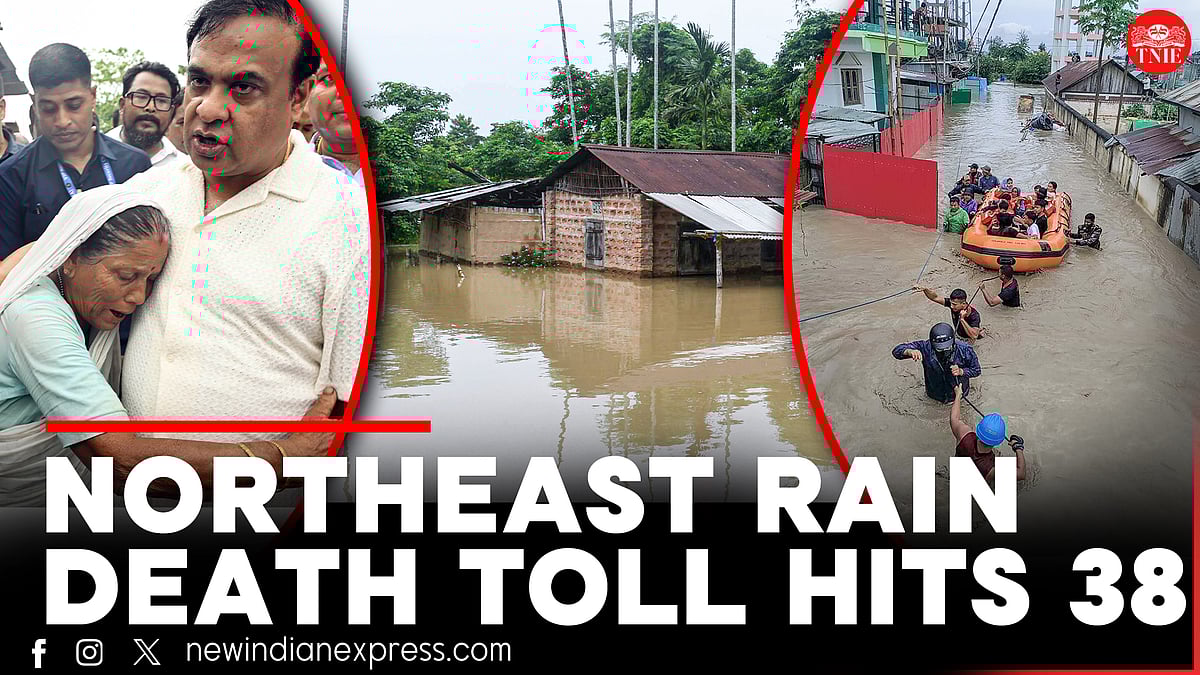
The devastating floods in Assam, affecting over 5.15 lakh people across 22 districts, underscore the vulnerability of the region to natural disasters. This first wave of flooding highlights the urgent need for improved disaster preparedness, mitigation strategies, and long-term solutions to address the recurring problem. The human cost, with at least 38 lives lost in the Northeast region, is a stark reminder of the severity of the situation. The immediate response must focus on providing relief to those affected, ensuring access to shelter, food, clean water, and medical assistance. However, a more comprehensive approach is necessary to build resilience within communities and reduce the impact of future floods. This includes investing in flood control infrastructure, such as embankments and drainage systems, as well as promoting sustainable land management practices to minimize erosion and runoff. Furthermore, early warning systems need to be strengthened to provide timely alerts and allow for evacuations when necessary. The role of climate change in exacerbating these events should not be overlooked. As global temperatures rise, extreme weather events like floods are becoming more frequent and intense. Addressing climate change through global cooperation and reducing greenhouse gas emissions is essential to mitigating the long-term risks. In addition to physical infrastructure, social and economic factors also play a significant role in determining vulnerability to floods. Marginalized communities and those living in poverty are often disproportionately affected, as they lack the resources to cope with the impacts of displacement, loss of livelihoods, and damage to property. Therefore, any comprehensive flood management strategy must also address issues of inequality and promote inclusive development. This includes providing access to education, healthcare, and economic opportunities for all, as well as ensuring that vulnerable groups are included in decision-making processes. The Assam floods are a complex problem with multiple dimensions, requiring a multi-faceted approach that integrates engineering solutions, environmental sustainability, social equity, and climate action. It is a challenge that demands sustained commitment from governments, communities, and international organizations alike. Ignoring the problem will only lead to further suffering and economic losses in the years to come. The long-term consequences of these floods extend beyond the immediate impact on human lives and livelihoods. The damage to infrastructure, agriculture, and natural resources can have profound effects on the region's economy and environment. Rebuilding infrastructure, restoring agricultural land, and rehabilitating ecosystems require significant investment and time. The psychological toll on affected communities should also not be underestimated. Experiencing displacement, loss of loved ones, and damage to property can lead to mental health issues such as anxiety, depression, and post-traumatic stress disorder. Providing mental health support and counseling services is crucial to helping people cope with the trauma of these events. The Assam floods serve as a reminder of the importance of investing in resilience and adaptation to climate change. As extreme weather events become more frequent and intense, it is essential to build communities that are better prepared to withstand the impacts of floods, droughts, and other natural disasters. This requires a shift in mindset from reactive responses to proactive planning and prevention. It also requires greater collaboration between different levels of government, as well as with communities and civil society organizations. By working together, we can build a more resilient and sustainable future for Assam and the entire Northeast region.
Furthermore, the immediate aftermath of the floods presents numerous challenges, including ensuring adequate sanitation and preventing the spread of waterborne diseases. Stagnant water can become a breeding ground for mosquitoes and other disease vectors, increasing the risk of malaria, dengue fever, and other illnesses. Providing clean water and sanitation facilities is crucial to preventing outbreaks of these diseases and protecting public health. The logistical challenges of providing relief to remote and inaccessible areas are also significant. Roads and bridges may be damaged or destroyed, making it difficult to transport supplies and personnel. Helicopters and boats may be needed to reach isolated communities and provide them with essential assistance. Coordination between different agencies and organizations is essential to ensure that relief efforts are effective and efficient. Communication networks may also be disrupted during floods, making it difficult to coordinate relief efforts and disseminate information to affected communities. Establishing reliable communication channels is crucial to ensuring that people have access to information about evacuation routes, relief centers, and other essential services. The role of local communities in responding to floods should not be underestimated. Local knowledge and expertise can be invaluable in identifying vulnerable areas, providing early warning, and coordinating relief efforts. Empowering local communities to take ownership of their own safety and resilience is essential to building a more sustainable approach to flood management. The long-term economic consequences of the Assam floods can be significant. Damage to agriculture can lead to food shortages and price increases, affecting the livelihoods of farmers and consumers alike. Disruption to businesses and industries can lead to job losses and economic decline. Rebuilding infrastructure and restoring economic activity can take years and require significant investment. The Assam floods also highlight the importance of land use planning and regulation. Unplanned development in flood-prone areas can increase the risk of flooding and exacerbate the impacts of natural disasters. Enforcing building codes and land use regulations is essential to preventing future disasters and protecting lives and property. The floods also raise questions about the sustainability of current agricultural practices in the region. Intensive agriculture can contribute to soil erosion and runoff, increasing the risk of flooding. Promoting sustainable agricultural practices, such as crop diversification and conservation tillage, can help to reduce the risk of flooding and improve the resilience of agricultural systems.
The Assam floods also serve as a reminder of the importance of environmental conservation. Deforestation and wetland degradation can increase the risk of flooding by reducing the capacity of the landscape to absorb and store water. Protecting forests and wetlands is essential to mitigating the impacts of floods and preserving biodiversity. The floods also highlight the importance of investing in research and development to improve our understanding of flood processes and develop more effective flood management strategies. This includes developing better forecasting models, improving early warning systems, and designing more resilient infrastructure. The Assam floods are a complex and multifaceted problem that requires a comprehensive and integrated approach. There is no single solution that will solve the problem, but by working together and investing in resilience, we can reduce the impacts of floods and build a more sustainable future for Assam and the entire Northeast region. The role of technology in disaster management is also becoming increasingly important. Satellite imagery, remote sensing, and geographic information systems (GIS) can be used to monitor floodwaters, assess damage, and plan relief efforts. Social media can be used to disseminate information, coordinate volunteers, and connect people in need with resources. The Assam floods also highlight the need for greater public awareness and education about flood risks and preparedness measures. People need to know how to identify flood hazards, how to protect themselves and their property, and how to respond during a flood event. Public awareness campaigns and educational programs can help to increase preparedness and reduce the impacts of floods. The Assam floods are a reminder that natural disasters can have a devastating impact on human lives and livelihoods. By investing in resilience, adaptation, and preparedness, we can reduce the risks and build a more sustainable future for all. The frequency of such events emphasizes the need for robust, proactive disaster management strategies at both state and national levels. This includes not only immediate relief efforts but also long-term planning, infrastructure development, and community education to mitigate future risks. Furthermore, international collaboration and support can play a crucial role in providing resources, expertise, and financial assistance to affected regions. Sharing best practices and lessons learned from other flood-prone areas around the world can also help to improve disaster management strategies in Assam. The situation in Assam is a stark reminder of the interconnectedness of environmental, social, and economic factors. Addressing the challenge of floods requires a holistic approach that considers all of these dimensions and involves the participation of all stakeholders. Only through sustained commitment and collaboration can we build a more resilient and sustainable future for Assam and its people.
Source: Over 5 lakh affected in Assam floods, Northeast death toll rises to 38