
 |
|
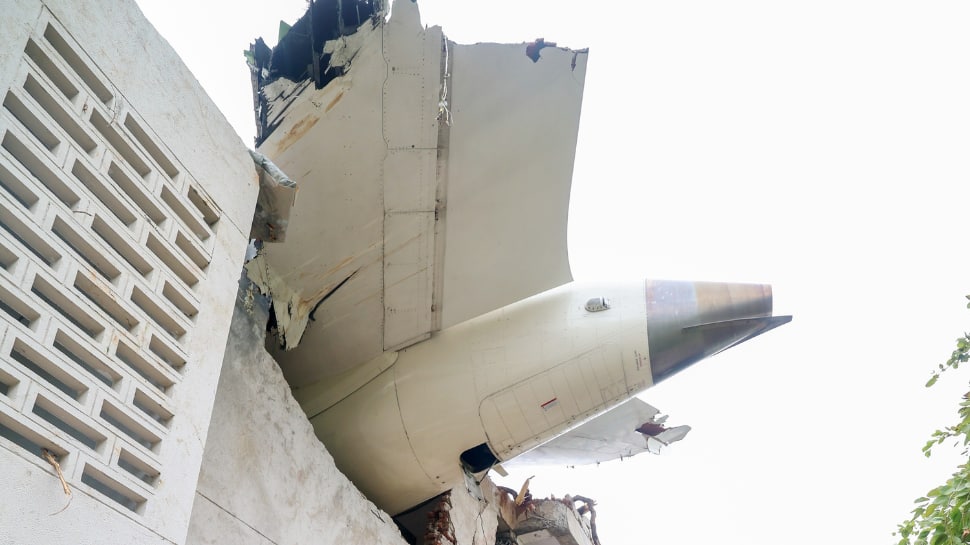
The Ahmedabad plane crash, a catastrophic event that claimed the lives of 241 individuals, including the former Chief Minister of Gujarat, Vijay Rupani, has left the nation in mourning and triggered a complex and emotionally challenging identification process. The aftermath of such a tragedy necessitates a meticulous and respectful approach to identifying the deceased and providing closure to their grieving families. The article highlights the painstaking efforts undertaken by the state government and hospital authorities to match DNA samples and return the bodies of the victims to their loved ones. The sheer scale of the disaster, with a Boeing 787-8 Dreamliner crashing shortly after takeoff from Sardar Vallabhbhai Patel International Airport, underscores the importance of efficient and compassionate disaster management protocols. The identification process, particularly through DNA testing, is a crucial step in providing families with certainty and allowing them to begin the process of mourning and remembrance. The announcement that 80 DNA samples have been matched and 33 bodies have been handed over represents a significant milestone in this difficult journey. The transparency provided through media briefings, such as the one conducted by Dr. Rajneesh Patel, Additional Superintendent of Ahmedabad Civil Hospital, is essential in keeping the public informed and building trust in the authorities' efforts. The article also sheds light on the logistical and emotional support provided to the families of the victims. The state government's decision to assign a special team, consisting of a senior officer, a police official, and a professional counselor, to each deceased person's family demonstrates a commitment to providing comprehensive assistance during this traumatic time. These teams play a vital role in guiding families through the identification process, offering emotional support, and assisting with the practical arrangements for funerals and memorial services. The article further details the geographical distribution of the victims, with bodies being returned to families in various regions, including Ahmedabad, Baroda, Mehsana, Anand, Kheda, Bharuch, Udaipur, Jodhpur, Botad, and Aravalli. This widespread impact underscores the far-reaching consequences of the tragedy and the need for a coordinated response across different communities. The presence of a lone survivor, Vishwashkumar Ramesh, a British national of Indian origin, offers a glimmer of hope amidst the overwhelming grief. His ongoing treatment represents a focus on recovery and healing in the face of immense loss. The fact that the plane crashed into a doctor's hostel, resulting in the deaths of local residents and MBBS students, adds another layer of complexity to the tragedy. It highlights the vulnerability of those living and working in the vicinity of the airport and raises questions about safety regulations and risk assessment. The ongoing investigation into the cause of the crash will be crucial in preventing similar tragedies in the future. Understanding the factors that contributed to the accident, whether mechanical failure, human error, or external factors, is essential for improving aviation safety standards and ensuring the well-being of passengers and crew. The Ahmedabad plane crash serves as a stark reminder of the devastating consequences of air disasters and the importance of rigorous safety measures. It also underscores the resilience of the human spirit and the power of community support in the face of unimaginable loss. The efforts to identify the victims, provide support to their families, and investigate the cause of the crash are all essential steps in the long and difficult process of healing and recovery.
The scale of the Ahmedabad plane crash necessitates a thorough and multi-faceted approach to victim identification, family support, and investigation. The identification process, primarily reliant on DNA matching, is inherently complex and time-consuming. The meticulous comparison of DNA samples from the deceased with those of their relatives requires advanced laboratory technology and skilled personnel. The fact that only 80 DNA samples have been matched out of the 241 fatalities highlights the challenges involved in this process. The condition of the bodies after the crash can significantly impact the quality of DNA samples, making the identification process even more difficult. In some cases, multiple attempts may be required to obtain viable DNA for analysis. The emotional toll on the families awaiting identification results is immense. The uncertainty and anxiety associated with not knowing the fate of their loved ones can be overwhelming. The state government's decision to provide dedicated support teams to each family is a crucial step in mitigating this emotional burden. These teams serve as a point of contact for families, providing regular updates on the identification process, answering questions, and offering emotional support. The logistical challenges of handling such a large-scale disaster are also significant. The transportation and storage of bodies, the coordination of DNA testing, and the communication with families scattered across different regions require careful planning and execution. The Ahmedabad Civil Hospital plays a central role in coordinating these efforts, working closely with forensic experts, law enforcement agencies, and government officials. The involvement of multiple stakeholders underscores the importance of effective communication and collaboration in disaster management. The investigation into the cause of the crash is a separate but equally important aspect of the response. Aviation safety experts will analyze the flight data recorder (black box) and other evidence to determine the factors that contributed to the accident. The investigation will likely focus on several key areas, including the mechanical condition of the aircraft, the weather conditions at the time of the crash, the pilot's training and experience, and any potential security threats. The findings of the investigation will be used to make recommendations for improving aviation safety standards and preventing similar tragedies in the future. The Ahmedabad plane crash has had a profound impact on the local community and the nation as a whole. The outpouring of grief and support from the public demonstrates the collective sense of loss and the desire to help those affected by the tragedy. The incident also raises important questions about aviation safety, disaster preparedness, and the role of government in providing support to victims and their families. The lessons learned from this tragedy will be crucial in shaping future policies and practices related to aviation safety and disaster management.
The aftermath of the Ahmedabad plane crash extends beyond the immediate concerns of victim identification and family support, encompassing long-term considerations related to aviation safety, infrastructure development, and psychological well-being. The investigation into the crash will undoubtedly scrutinize the safety protocols and maintenance procedures of the airline involved. A thorough examination of the aircraft's maintenance history, pilot training records, and adherence to safety regulations will be essential in identifying any systemic issues that may have contributed to the accident. The findings of the investigation could lead to stricter enforcement of existing regulations, the implementation of new safety standards, and increased oversight of airline operations. The crash also raises questions about the suitability of the airport's location and the potential risks associated with operating flights in densely populated areas. The proximity of the airport to residential areas and educational institutions, such as the doctor's hostel, highlights the need for careful urban planning and risk assessment. The long-term psychological impact on the survivors, the families of the victims, and the local community should not be underestimated. The trauma associated with witnessing such a catastrophic event can have lasting effects on mental health and well-being. Access to counseling services and mental health support is crucial for helping individuals cope with their grief, anxiety, and other emotional challenges. The state government and local community organizations should work together to provide comprehensive mental health services to those affected by the crash. The Ahmedabad plane crash serves as a reminder of the importance of investing in infrastructure development and disaster preparedness. Upgrading airport infrastructure, improving emergency response capabilities, and strengthening community resilience are all essential steps in mitigating the risks associated with aviation accidents. The government should also prioritize public awareness campaigns to educate citizens about safety procedures and emergency protocols. The lessons learned from the Ahmedabad plane crash should be used to improve aviation safety, enhance disaster preparedness, and strengthen community resilience. By investing in infrastructure, training, and mental health support, the government can help prevent future tragedies and ensure the well-being of its citizens. The legacy of the victims of the Ahmedabad plane crash should be one of increased safety and improved support for those affected by aviation disasters. The collective memory of this tragedy should serve as a catalyst for positive change and a commitment to preventing similar events in the future.
Source: Ahmedabad Plane Crash: DNA Samples Of 80 Victims Matched, Bodies Of 33 Handed Over To Kin