
 |
|
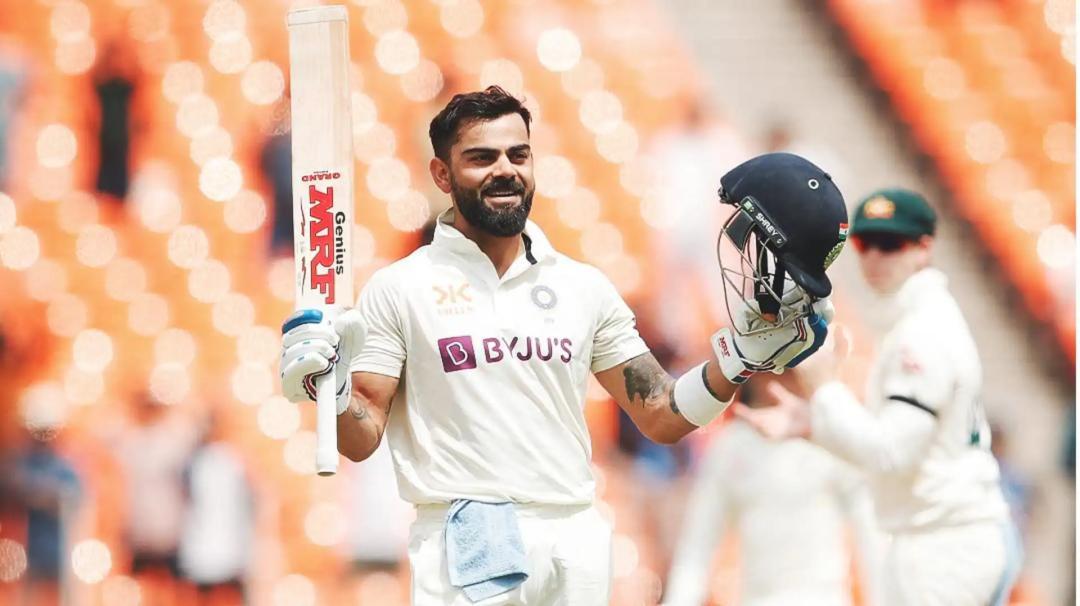
The recent reports suggesting Virat Kohli's potential retirement from Test cricket have sent ripples throughout the cricketing world. Kohli, a modern-day legend and one of the most prolific batsmen of his era, has been the face of Indian cricket for over a decade. His aggressive captaincy, combined with his unparalleled batting prowess, has transformed the Indian team into a formidable force across all formats. The news of his possible departure from Test cricket, the most revered and challenging format of the game, has understandably caused concern and speculation among fans and experts alike. The source of these reports remains somewhat unclear, adding to the uncertainty surrounding the situation. The Board of Control for Cricket in India (BCCI), the governing body for cricket in India, has reportedly intervened, urging Kohli to reconsider his decision. This suggests that the BCCI values Kohli's contribution to Test cricket and is keen to retain his services in the longer format. Aakash Chopra, a former Indian cricketer and now a prominent commentator, weighed in on the matter, acknowledging Kohli's extraordinary achievements while emphasizing his human limitations. Chopra's comments highlight the immense pressure and expectations that are placed on athletes of Kohli's stature. The constant scrutiny and demands for excellence can take a toll, both physically and mentally. It is crucial to remember that even the greatest athletes are not immune to fatigue and the need for rest and rejuvenation. Kohli's potential retirement raises several questions about the future of Indian Test cricket. While the team possesses a wealth of talent, Kohli's leadership and experience would be sorely missed. His aggressive approach and unwavering determination have been instrumental in shaping the team's identity and success in recent years. Replacing a player of his caliber is no easy task, and the BCCI will need to carefully consider the implications of his departure. The news also underscores the increasing challenges faced by modern cricketers in balancing their commitments across different formats. The proliferation of T20 leagues and the demanding international schedule have placed immense pressure on players' bodies and minds. Managing workload and ensuring adequate rest and recovery have become crucial for maintaining peak performance and preventing burnout. Kohli's potential retirement could serve as a wake-up call for cricket administrators to address these issues and prioritize the well-being of players. Ultimately, the decision of whether or not to retire rests solely with Virat Kohli. He has earned the right to make his own choices based on his personal circumstances and aspirations. Regardless of his decision, his contribution to Indian cricket will always be remembered and celebrated. His impact on the game extends far beyond his batting averages and captaincy records. He has inspired millions of fans with his passion, dedication, and unwavering commitment to excellence. He has raised the bar for Indian cricket and set a new standard for leadership and performance. As the cricketing world awaits Kohli's final decision, one thing is certain: his legacy as one of the greatest cricketers of all time is secure. His name will forever be etched in the annals of cricket history, and his achievements will continue to inspire generations of cricketers to come.
The context surrounding Virat Kohli's potential retirement needs to be examined with careful consideration. While the article focuses on the immediate reaction and reported intervention by the BCCI, it's important to delve deeper into the possible motivations behind such a decision. Firstly, Kohli has been under immense pressure in recent times, both on and off the field. His captaincy of the national team, while undeniably successful, has been subject to intense scrutiny and criticism, particularly after India's loss in the World Test Championship final and the subsequent change in leadership. The constant pressure to perform at the highest level, coupled with the relentless media attention, can take a significant toll on any individual, regardless of their mental fortitude. Secondly, Kohli's batting form has also been a subject of concern. While he remains a world-class batsman, his century drought in recent years has raised questions about his ability to consistently deliver match-winning performances. The pressure to silence his critics and regain his peak form could be contributing to his decision to potentially step away from Test cricket. Furthermore, the evolving landscape of cricket may also be playing a role. The rise of T20 cricket and the lucrative opportunities it offers have made it increasingly attractive for players to prioritize the shorter format of the game. The physical and mental demands of Test cricket are significantly higher, and the rewards, both financially and in terms of recognition, may not be as appealing for some players. Kohli, who has a successful career in both Test and limited-overs cricket, may be considering focusing his energies on the shorter formats to prolong his career and maximize his earning potential. It's also crucial to consider the personal factors that may be influencing Kohli's decision. He is now a husband and a father, and the demands of international cricket can make it difficult to balance personal life with professional commitments. The constant travel and time away from family can be emotionally draining, and Kohli may be seeking a better work-life balance. The BCCI's reported intervention suggests that they recognize the value of Kohli's contribution to Test cricket and are keen to retain his services. However, it remains to be seen whether their efforts will be successful. Ultimately, the decision rests with Kohli, and he will need to weigh the various factors involved before making a final determination. Regardless of his decision, it's important to respect his choice and acknowledge his immense contribution to Indian cricket. He has been a role model for millions of aspiring cricketers and has inspired a generation with his passion, dedication, and unwavering commitment to excellence.
Analyzing Aakash Chopra's statement, "He's human. He's done superhuman things- not literally god-like, but almost. We think he'll never get tired, but he's not a machine," offers a valuable perspective on the pressure and expectations faced by athletes like Virat Kohli. Chopra's commentary highlights the tendency to idolize sports figures, often overlooking their inherent human limitations. The phrase "superhuman things" acknowledges Kohli's exceptional achievements, but the subsequent clarification emphasizes that he is not immune to fatigue, both physical and mental. This is a crucial point to consider when evaluating Kohli's potential retirement. The relentless demands of international cricket, coupled with the constant scrutiny and pressure to perform, can take a significant toll on any individual. The expectation that athletes should consistently deliver peak performances is unrealistic and unsustainable. Chopra's statement challenges this notion, reminding us that even the greatest athletes are human beings with their own vulnerabilities and limitations. The phrase "We think he'll never get tired, but he's not a machine" underscores the tendency to dehumanize athletes, viewing them as machines designed to perform on demand. This perspective ignores the emotional and psychological toll that sports can take, particularly at the highest level. Chopra's commentary serves as a reminder that athletes need rest, recovery, and support to maintain their well-being and prolong their careers. His statement also highlights the importance of empathy and understanding when evaluating athletes' decisions. Instead of judging Kohli for potentially stepping away from Test cricket, we should recognize the challenges he faces and respect his right to make his own choices. Chopra's commentary provides a valuable counterpoint to the often-unrealistic expectations placed on athletes, emphasizing the importance of acknowledging their human limitations and providing them with the support they need to thrive. In conclusion, the report about Virat Kohli's potential retirement serves as a multifaceted case study. It touches on athlete well-being, the pressures of modern cricket, evolving player priorities and highlights the responsibilities of governing bodies such as the BCCI. Chopra's comments add nuance to the understanding of the situation, advocating for human understanding of even the most celebrated athletes in the world.