
 |
|
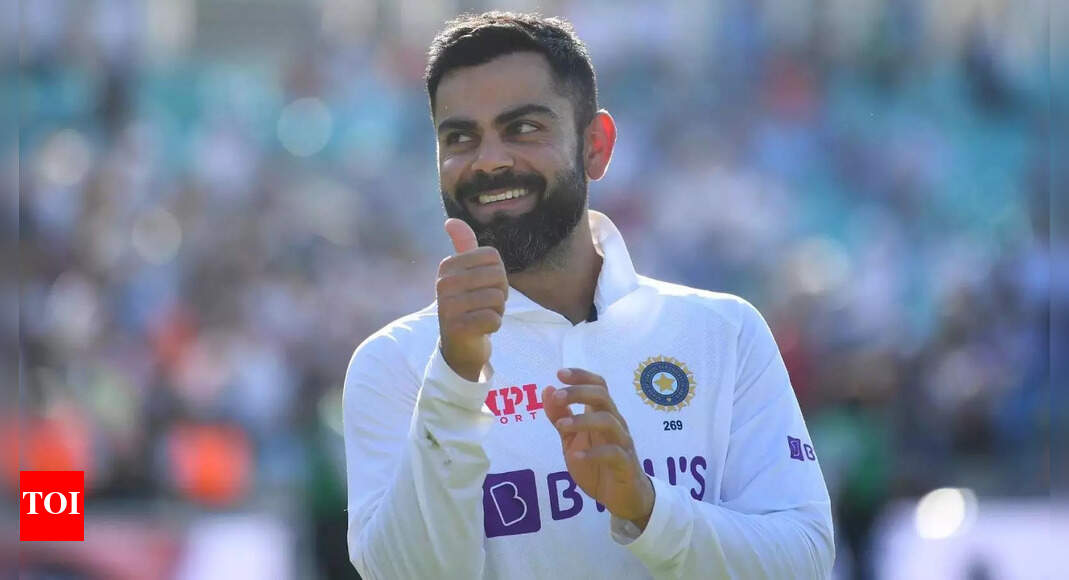
The debate surrounding the Indian Test captaincy has once again surfaced, fueled by former England captain Michael Vaughan's surprising endorsement of Virat Kohli for the upcoming five-match Test series against England. This suggestion arrives amidst swirling rumors regarding Kohli's potential retirement from the longest format of the game, adding another layer of complexity to the already intricate narrative. Vaughan's proposition, articulated via social media platform X, advocates for Kohli to reassume the captaincy mantle while simultaneously grooming young Shubman Gill as his deputy. This unconventional approach aims to leverage Kohli's extensive experience and proven leadership capabilities, particularly in challenging overseas conditions, while simultaneously preparing the next generation for future leadership roles. The rationale behind this suggestion stems from Kohli's remarkable track record as India's most successful Test captain, boasting an impressive 40 wins in 68 matches. His leadership has been instrumental in securing memorable overseas victories and cultivating a culture of aggressive and physically demanding Test cricket within the Indian team. However, Kohli's decision to relinquish the captaincy during the South Africa tour in 2021-22 raised questions about his long-term commitment to leadership duties. While he has remained a pivotal figure in the Indian Test setup, his focus has seemingly shifted towards contributing solely as a player. The recent TimesofIndia.com report alleging Kohli's desire to retire from Test cricket further complicates the situation. If true, this would signify a significant loss for the Indian team, given Kohli's immense experience and prolific run-scoring ability, evidenced by his 9230 runs from 123 Tests, including 30 centuries. Despite these uncertainties, Vaughan's endorsement underscores the unwavering belief in Kohli's leadership prowess, especially when navigating the complexities of English conditions. The idea of pairing him with a promising talent like Shubman Gill could potentially provide a smooth transitional phase for India as they embark on a new era of Test leadership. Gill, with his burgeoning talent and potential leadership qualities, could benefit immensely from Kohli's mentorship and guidance. This arrangement would allow him to gradually acclimatize to the pressures of leadership while learning from one of the most successful Test captains in Indian cricket history. Furthermore, Kohli's return to captaincy, even if temporary, could inject a renewed sense of purpose and motivation into the Indian team. His aggressive approach and unwavering determination have often served as a catalyst for success, inspiring his teammates to perform at their absolute best. The dynamics within the team could also be positively influenced by Kohli's presence at the helm, fostering a sense of unity and shared purpose. However, the potential pitfalls of this arrangement must also be considered. Kohli's previous tenure as captain was marked by occasional controversies and disagreements, and his return could potentially reignite these issues. Moreover, the appointment of Gill as vice-captain could create unnecessary pressure on the young batsman, potentially hindering his development as a player. The selection committee will need to carefully weigh these factors before making a final decision. Ultimately, the decision regarding the Indian Test captaincy rests with the Board of Control for Cricket in India (BCCI). They will need to assess all available information, including Kohli's current form, his willingness to lead the team, and the overall dynamics within the squad. The upcoming five-match Test series against England represents a crucial challenge for the Indian team, and the choice of captain will undoubtedly play a significant role in determining their success. The BCCI must make a decision that is in the best interests of the team, ensuring that India is well-prepared to compete at the highest level. Vaughan's suggestion has undoubtedly sparked a lively debate within the cricketing fraternity, raising important questions about the future of Indian Test cricket. Whether or not Kohli reassumes the captaincy remains to be seen, but the discussion highlights the enduring respect and admiration for his leadership qualities. The coming weeks will be crucial in shaping the future of the Indian Test team, and the BCCI's decision regarding the captaincy will be closely scrutinized by fans and experts alike.
The legacy of Virat Kohli's captaincy is complex and multifaceted, marked by both unprecedented success and periods of intense scrutiny. His tenure saw India ascend to the number one ranking in Test cricket, achieving a level of dominance rarely witnessed in the modern era. Under his leadership, the team exhibited a relentless pursuit of excellence, characterized by aggressive tactics and a fearless approach to the game. Kohli instilled a culture of fitness and professionalism within the squad, transforming India into one of the fittest and most athletic teams in the world. He also fostered a strong sense of camaraderie and unity, creating a supportive environment where players could thrive. However, Kohli's captaincy also faced criticism for its sometimes confrontational style and his tendency to wear his emotions on his sleeve. He was often accused of being overly aggressive and prone to impulsive decisions. His relationships with some senior players were also reportedly strained at times. Despite these criticisms, Kohli's achievements as captain cannot be denied. He led India to numerous memorable victories, both at home and abroad, and his passion and commitment inspired his teammates to perform at their best. He leaves behind a legacy of unparalleled success, having transformed India into a formidable force in Test cricket. The emergence of Shubman Gill as a potential leader represents a significant development for Indian cricket. Gill is widely regarded as one of the most talented young batsmen in the world, possessing a rare blend of elegance, power, and composure. He has already demonstrated his ability to perform at the highest level, scoring centuries against some of the best bowling attacks in the world. Gill's leadership qualities are also evident, both on and off the field. He is a thoughtful and articulate young man who commands the respect of his teammates. He is also a natural communicator, able to inspire and motivate those around him. The combination of Kohli's experience and Gill's potential could prove to be a winning formula for India. Kohli could provide the guidance and mentorship that Gill needs to develop into a successful captain, while Gill could bring a fresh perspective and innovative ideas to the team. This partnership could usher in a new era of success for Indian Test cricket.
Beyond the immediate question of captaincy lies a broader strategic imperative for Indian cricket: the seamless transition from a generation of seasoned veterans to a new wave of emerging talent. Kohli, despite the swirling retirement rumors, remains a potent force, but his long-term future in the format is undeniably finite. Similarly, other stalwarts of the Indian Test team are approaching the twilight of their careers, necessitating a proactive approach to identifying and nurturing their successors. Shubman Gill represents a prime example of the type of player who embodies the future of Indian cricket. His prodigious talent, coupled with his growing maturity and leadership potential, make him a natural candidate for a prominent role in the years to come. However, Gill is not alone. A host of other young players, such as Yashasvi Jaiswal, Ruturaj Gaikwad, and Ravi Bishnoi, are also knocking on the door, eager to make their mark on the international stage. The challenge for the BCCI and the team management is to create an environment that allows these young players to flourish. This requires providing them with opportunities to gain experience, supporting them through periods of adversity, and instilling in them the values and principles that underpin the Indian cricket team. Furthermore, it is crucial to ensure that the transition from the old guard to the new is managed smoothly and effectively. This means carefully phasing out the veterans while gradually integrating the youngsters into the team. It also means fostering a culture of mentorship and collaboration, where the experienced players can share their knowledge and expertise with the younger generation. The upcoming Test series against England provides an ideal opportunity to begin this process. By giving Gill and other young players prominent roles in the team, the BCCI can signal its commitment to the future and provide them with valuable experience in a challenging environment. This series can serve as a testing ground for the next generation, allowing them to showcase their talent and demonstrate their readiness to take on greater responsibility. Ultimately, the success of Indian cricket in the years to come will depend on its ability to cultivate and integrate its emerging talent. By embracing a forward-thinking approach and prioritizing the development of its young players, India can ensure that it remains a dominant force in world cricket for many years to come. The debate surrounding the captaincy is merely one facet of this larger strategic imperative. The real challenge lies in building a sustainable future for Indian cricket, one that is built on a foundation of talent, leadership, and a unwavering commitment to excellence.
Source: 'I would give the captaincy to Virat Kohli... Shubman Gill can be his VC': Former England captain