
 |
|
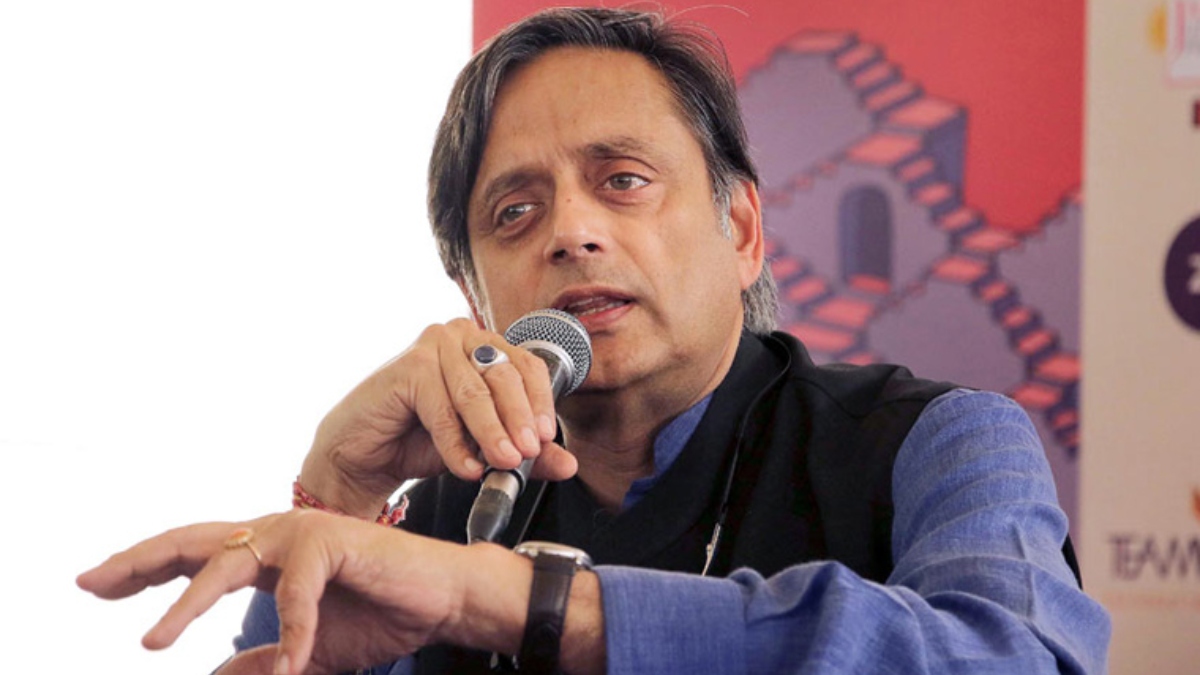
The controversy surrounding Shashi Tharoor's remarks on Operation Sindoor highlights the complex interplay between personal opinion, party discipline, and national interest within the Indian political landscape. Tharoor, a prominent Congress MP and former minister, found himself at the center of a political storm after voicing his support for the government's handling of Operation Sindoor and its firm stance against Pakistan. These remarks, while praised by some, including members of the opposing BJP, drew criticism from within his own party, the Congress, which quickly distanced itself from his statements, emphasizing that they represented his personal views and not the official position of the party. Tharoor, in his defense, asserted that he spoke as an Indian deeply concerned about national security and the need to strengthen India's narrative internationally, particularly in the context of the ongoing conflict. He emphasized that his comments were not intended to reflect the Congress party line but rather to contribute to a broader national discourse, especially on platforms where India's perspective might not be adequately represented. This incident raises several important questions about the role of individual politicians in shaping public opinion, the boundaries of party loyalty, and the challenges of navigating complex geopolitical issues. The core of the issue lies in the divergent perspectives on how to address terrorism and manage relations with Pakistan. Tharoor's support for the government's anti-terror stance, particularly in the wake of the Pahalgam terror attack, reflects a sentiment widely shared across the Indian political spectrum. However, his willingness to publicly endorse the government's actions, even when they deviate from the Congress party's official position, has created friction within the party. The Congress party's concern stems from the potential for such remarks to be interpreted as a sign of internal division or a lack of unified messaging on crucial national security issues. The party's distancing from Tharoor's statements underscores the importance of maintaining a cohesive front, especially when dealing with sensitive matters that could have implications for India's foreign policy and national security. Furthermore, the incident underscores the challenges of balancing personal convictions with party allegiance. Politicians often face the dilemma of adhering to party lines, even when their personal beliefs may differ. In Tharoor's case, his decision to prioritize what he perceives as the national interest over strict adherence to party doctrine has sparked controversy and raised questions about his loyalty to the Congress party. The broader implications of this incident extend beyond the immediate context of Operation Sindoor and India's relationship with Pakistan. It highlights the ongoing debate about the role of dissent and independent thinking within political parties. While party discipline is essential for maintaining order and cohesion, it is also crucial to foster an environment where individual politicians feel empowered to express their views and contribute to the policymaking process. The incident also sheds light on the increasing polarization of Indian politics, where even seemingly non-partisan issues can become highly politicized. The BJP's praise for Tharoor's remarks, while ostensibly a show of support for his stance on national security, may also be interpreted as an attempt to exploit divisions within the Congress party. This underscores the challenges of navigating a political landscape where every statement and action is subject to intense scrutiny and potential misinterpretation. The article further alludes to the media's role in shaping public perception and amplifying political divisions. The focus on Tharoor's remarks and the Congress party's response has contributed to a narrative of internal discord and a lack of unified messaging. This highlights the importance of responsible journalism and the need to avoid sensationalizing political controversies.
The nuances of Shashi Tharoor's perspective are critical to understanding the situation. His emphasis on bolstering India's international narrative reflects a deep concern about the country's image and influence on the global stage. In an era of information warfare and competing narratives, it is essential for India to actively promote its perspective on key issues, particularly in regions where its voice may not be adequately represented. Tharoor's remarks suggest that he believes India needs to be more proactive in shaping the global discourse on terrorism and regional security. His emphasis on targeting only identified terror bases and avoiding escalation with Pakistan also reflects a nuanced understanding of the complexities of the situation. He appears to be advocating for a calibrated approach that prioritizes the elimination of terrorist threats while minimizing the risk of broader conflict. This perspective is particularly relevant in the context of the ongoing tensions between India and Pakistan, where any miscalculation or escalation could have catastrophic consequences. The Congress party's cautious response to Tharoor's remarks reflects a broader strategic consideration. The party may be wary of aligning itself too closely with the government's policies on Pakistan, particularly in light of the upcoming elections. By distancing itself from Tharoor's statements, the Congress party may be seeking to maintain its distinct political identity and avoid being perceived as merely an echo of the ruling BJP. However, this cautious approach also carries the risk of alienating potential voters who may appreciate Tharoor's willingness to speak his mind and prioritize national security over partisan considerations. The incident also highlights the evolving nature of political communication in the digital age. The rapid dissemination of information through social media and online news platforms has made it increasingly difficult for political parties to control the narrative. Politicians' statements are often taken out of context, amplified by partisan media outlets, and used to fuel political controversies. In this environment, it is essential for politicians to be mindful of the potential impact of their words and to communicate their message clearly and effectively. The lack of official reprimand from the Congress party despite the controversy surrounding Tharoor's remarks suggests that the party is reluctant to escalate the issue further. A formal reprimand could be interpreted as a sign of weakness and could further exacerbate internal divisions. By allowing the controversy to subside without taking disciplinary action, the Congress party may be hoping to minimize the long-term damage to its reputation and maintain a semblance of unity. However, the incident also serves as a reminder of the importance of clear communication and consistent messaging within political parties. To avoid similar controversies in the future, the Congress party may need to strengthen its internal communication channels and ensure that all its members are aligned on key policy issues. The episode underscores the complexities inherent in democratic governance, where individual freedoms of expression must be balanced with the demands of party loyalty and the imperatives of national security. Ultimately, the incident serves as a reminder of the ongoing need for open dialogue, constructive criticism, and a willingness to bridge divides in the pursuit of a more secure and prosperous India.
Examining the responses to Tharoor’s statements provides further insight into the dynamics at play. The praise from BJP leaders, while ostensibly supporting his stance, carried undertones of political opportunism, exploiting potential rifts within the Congress. This highlights the constant strategic maneuvering that characterizes Indian politics. Tharoor’s dismissal of media speculation regarding US mediation reveals another layer of complexity. His assertion that India handled the situation responsibly, targeting only terror bases, underscores a desire to project strength and autonomy on the international stage. This aligns with a broader national narrative of self-reliance and a rejection of external interference in bilateral issues, particularly with Pakistan. His emphasis on denying Pakistan the opportunity to escalate the conflict suggests a pragmatic approach aimed at de-escalation and preventing a larger crisis. The situation also brings into focus the role of the media in shaping public opinion and influencing political discourse. The article mentions media speculation and the amplification of certain narratives, highlighting the potential for bias and the importance of critical analysis. The media’s focus on the controversy surrounding Tharoor’s remarks, rather than on the substance of his arguments, underscores the tendency to prioritize sensationalism over nuanced reporting. The fact that Tharoor received no official communication from the party, despite the media reports, raises questions about the effectiveness of internal communication within the Congress. It suggests a potential disconnect between the party leadership and its members, and a lack of clear channels for addressing disagreements and resolving conflicts. This can lead to misunderstandings, misinterpretations, and ultimately, a weakening of party unity. The broader significance of this incident lies in its reflection of the challenges facing Indian democracy. The need to balance individual freedoms with party discipline, the importance of responsible political communication, and the role of the media in shaping public opinion are all critical issues that demand careful consideration. The Tharoor controversy serves as a microcosm of these broader challenges, highlighting the complexities of navigating a diverse and dynamic political landscape. It underscores the importance of fostering a culture of open dialogue, constructive criticism, and a commitment to finding common ground in the pursuit of national interest. In conclusion, the Shashi Tharoor episode is a multifaceted event revealing intricate layers within Indian politics. It highlights the tension between personal convictions and party lines, the impact of media narratives, and the strategic maneuvering of political rivals. Ultimately, it underscores the ongoing need for nuanced discourse, responsible communication, and a commitment to national interest amidst the complexities of Indian democracy. The reactions, both internal and external, to Tharoor's statements, paint a picture of a political landscape where even seemingly straightforward issues are fraught with complexity and potential for misinterpretation. The incident serves as a reminder of the importance of critical thinking, responsible journalism, and a commitment to fostering a more informed and engaged citizenry. The long-term consequences of this episode remain to be seen, but it is clear that it has sparked a valuable debate about the role of individual politicians in shaping public opinion, the boundaries of party loyalty, and the challenges of navigating complex geopolitical issues.