
 |
|
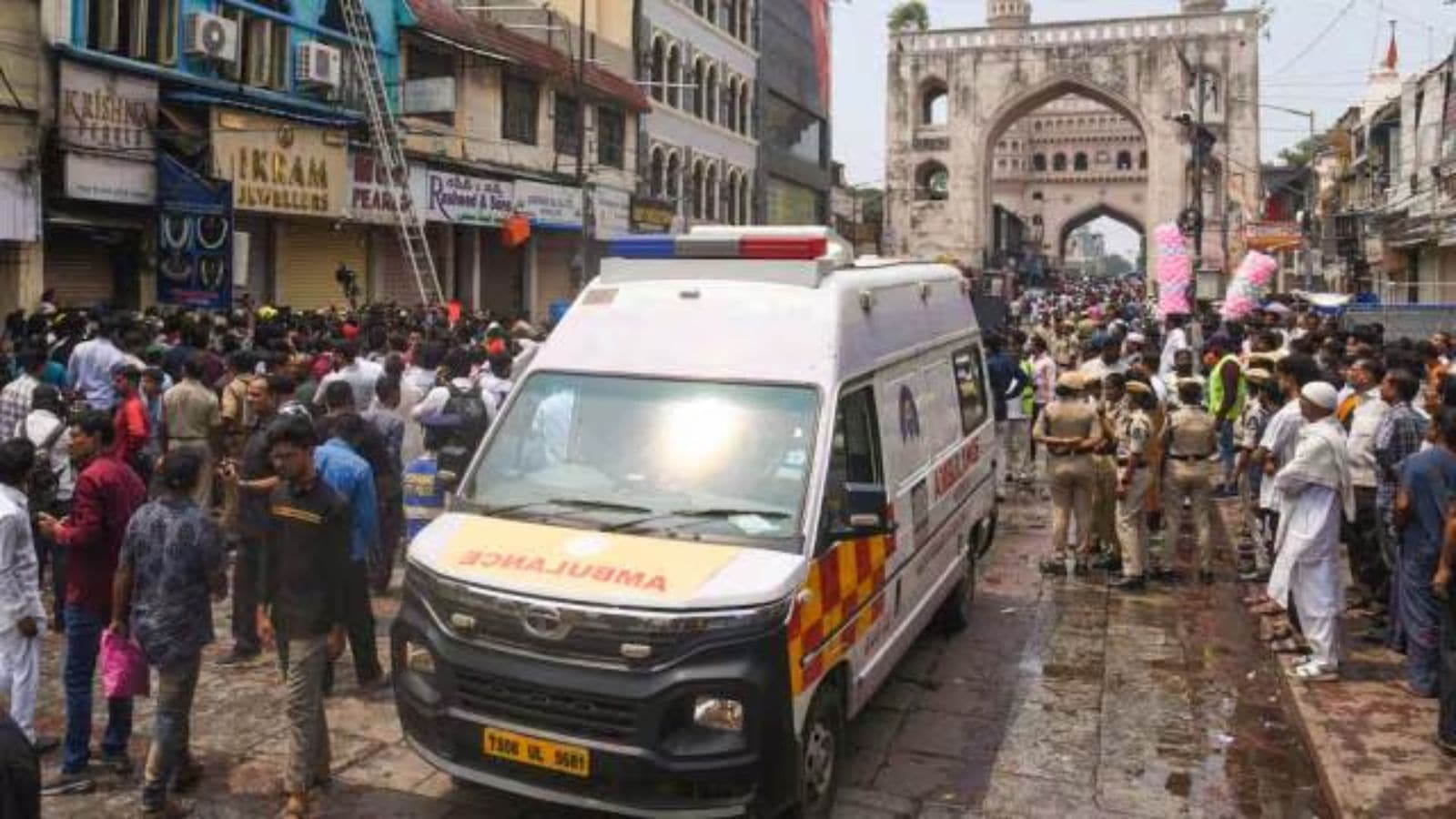
The tragic fire at Gulzar House in Hyderabad, which claimed the lives of 17 people, including eight children, has ignited a political and administrative controversy regarding the adequacy of emergency response measures. The Telangana government, through its health department, has vehemently denied allegations made by Bharat Rashtra Samithi (BRS) leader K T Rama Rao (KTR) concerning the lack of oxygen support in ambulances used during the rescue operations. This incident underscores the critical importance of well-equipped emergency services and the potential for political exploitation in the wake of such disasters. The core of the dispute centers around KTR's assertion that the ambulances deployed to transport victims of the fire lacked sufficient oxygen support. KTR, a prominent figure in Telangana politics, publicly stated that he was relaying the concerns of the bereaved family, who had expressed their distress over the alleged inadequacy of the medical response. He further accused the state government of gross negligence and under-preparedness in handling the emergency situation. This accusation carries significant weight, given KTR's political standing and his access to the affected family's grievances. However, Dr. B Ravinder Nayak, the Director of Public Health & Family Welfare, has firmly refuted KTR's claims. Dr. Nayak asserted that every ambulance dispatched to the scene was fully equipped with oxygen support. He provided specific details regarding the deployment of ambulances, including the time the first patient was transported to Osmania Hospital. According to Dr. Nayak, a total of eight ambulances were dispatched to the incident site, and fifteen patients were transported to various hospitals, including Osmania, CARE, Apollo, and Yashoda. He strongly urged the public to refrain from spreading rumors and misinformation, emphasizing the potential for such actions to demoralize health department staff and emergency responders who were working under immense pressure. The conflicting accounts from a prominent political leader and a senior health official raise serious questions about the accuracy of information disseminated during emergency situations. It also highlights the challenges in verifying claims and counterclaims in the immediate aftermath of a disaster. The veracity of KTR's allegations hinges on the testimonies of the affected family and any independent verification of the ambulance equipment. Conversely, Dr. Nayak's defense relies on the official records of the health department and the accounts of the emergency responders who were present at the scene. The incident further underscores the crucial role of emergency infrastructure and preparedness in mitigating the impact of disasters. KTR, while criticizing the government's response, also emphasized the need for improving basic emergency infrastructure. This call for improvement resonates with the public's expectation for timely and effective assistance during crises. The rapid deployment of ambulances, the availability of oxygen support, and the readiness of medical personnel at hospitals are all essential components of a robust emergency response system. The effectiveness of such a system can directly impact the survival rates and the overall well-being of those affected by disasters. The aftermath of the Hyderabad fire also raises questions about the appropriate level of compensation and support for victims and their families. KTR called on the state government to provide Rs 25 lakh compensation to the kin of the deceased and to extend support to the Agarwal family in restarting their business. This plea for financial assistance reflects the significant economic and emotional toll that such tragedies inflict on families and communities. The provision of adequate compensation can help alleviate the financial burden faced by the bereaved families and enable them to rebuild their lives. Furthermore, supporting the revival of businesses that have been affected by disasters can contribute to the economic recovery of the community. The Hyderabad fire incident serves as a stark reminder of the need for continuous improvement in disaster preparedness and response. It also highlights the importance of responsible communication and the avoidance of spreading misinformation during emergencies. The allegations and counterclaims surrounding the availability of oxygen support in ambulances underscore the need for transparency and accountability in the provision of emergency services. A thorough investigation into the incident, including an assessment of the emergency response measures, is essential to identify areas for improvement and to ensure that future tragedies are handled with greater efficiency and effectiveness. The lessons learned from the Hyderabad fire can inform policy decisions and resource allocation aimed at strengthening emergency infrastructure and improving the overall preparedness of the state. The tragedy also underscores the importance of fostering a culture of community resilience, where individuals and organizations are equipped to respond effectively to disasters and to support those in need. This includes promoting public awareness about emergency preparedness measures, providing training for first responders, and establishing clear communication channels for disseminating information during crises. Furthermore, it is crucial to depoliticize disaster response efforts and to ensure that aid and assistance are provided based on need, rather than political considerations. In the wake of the Hyderabad fire, the focus should be on supporting the affected families, addressing the underlying issues that contributed to the tragedy, and strengthening the state's capacity to respond to future emergencies. By learning from this experience and taking proactive steps to improve preparedness and response, Telangana can better protect its citizens from the devastating consequences of disasters. The incident also serves as a reminder of the human cost of disasters and the importance of empathy and compassion in providing support to those who have been affected. The outpouring of grief and solidarity following the Hyderabad fire demonstrates the resilience of the community and its commitment to helping those in need. As Telangana moves forward, it is essential to harness this spirit of community and to work together to create a safer and more resilient society. The allegations surrounding the ambulance oxygen support, while disputed, underscore the need for rigorous maintenance and inspection of emergency equipment to ensure its proper functioning. Regular audits and training programs for ambulance staff can help prevent equipment failures and ensure that responders are fully prepared to provide life-saving assistance. Moreover, the incident highlights the importance of clear communication protocols between emergency responders, hospitals, and the health department. Effective coordination and information sharing are essential for ensuring that patients receive timely and appropriate medical care. In addition to the immediate response to the fire, it is also important to address the underlying factors that may have contributed to the tragedy. This includes examining building safety regulations, fire prevention measures, and emergency evacuation procedures. By identifying and addressing these systemic issues, Telangana can reduce the risk of future fires and protect its citizens from harm. The Hyderabad fire serves as a catalyst for change and a call to action for the government, the health department, and the community to work together to improve disaster preparedness and response. By learning from this tragedy and implementing effective solutions, Telangana can build a more resilient and safer society for all. The political dimension of this event should also prompt introspection about the use of tragedies for political gain. While holding authorities accountable is essential, the focus should remain on providing assistance and preventing future occurrences, not on exploiting grief for political advantage. A collaborative approach, prioritizing the needs of the victims and the community, is crucial in navigating the aftermath of such devastating events.
The controversy surrounding the Hyderabad fire and the alleged lack of oxygen in ambulances highlights a broader issue of trust and accountability in emergency response systems. When public officials and political figures offer conflicting narratives, it erodes public confidence and can hinder effective communication and coordination during future crises. It becomes imperative, therefore, to establish clear protocols for disseminating information and verifying claims in the immediate aftermath of a disaster. An independent investigation into the events surrounding the Hyderabad fire, including the allegations of oxygen shortage, would be a crucial step in restoring public trust. Such an investigation should involve experts in emergency medicine, disaster management, and public safety, and its findings should be made public. The investigation should focus on determining the facts surrounding the availability of oxygen in ambulances, assessing the overall adequacy of the emergency response, and identifying any systemic issues that may have contributed to the tragedy. Furthermore, the investigation should provide recommendations for improving emergency preparedness and response in the future. In addition to addressing the specific allegations of oxygen shortage, the investigation should also examine the broader issue of resource allocation for emergency services. Are there sufficient ambulances and medical personnel available to respond to emergencies in a timely manner? Are emergency responders adequately trained and equipped to handle complex and challenging situations? Are there sufficient resources allocated to maintain and upgrade emergency equipment? Addressing these questions is crucial for ensuring that Telangana is prepared to respond effectively to future disasters. The Hyderabad fire also underscores the importance of community engagement in disaster preparedness. Local communities are often the first responders in emergencies, and their knowledge of the area and their ability to mobilize resources can be invaluable. Therefore, it is essential to involve communities in the development of disaster preparedness plans and to provide them with the training and resources they need to respond effectively. This includes providing training in first aid, CPR, and fire safety, as well as establishing neighborhood watch programs and emergency communication networks. Moreover, it is crucial to promote a culture of community resilience, where individuals and organizations are empowered to take proactive steps to protect themselves and their neighbors in the event of a disaster. This can be achieved through public awareness campaigns, educational programs, and community-based initiatives. The role of media in reporting on disasters is also critical. Media outlets have a responsibility to provide accurate and timely information to the public, while also avoiding sensationalism and spreading misinformation. It is essential for journalists to verify their sources and to present a balanced and objective account of events. In the aftermath of the Hyderabad fire, some media outlets were criticized for amplifying unverified claims and for contributing to a climate of fear and uncertainty. It is important for media organizations to learn from this experience and to develop responsible reporting guidelines for covering disasters. The media can also play a valuable role in promoting public awareness about disaster preparedness and in holding authorities accountable for their response efforts. Ultimately, the goal is to create a society that is better prepared to cope with disasters and that is more resilient in the face of adversity. This requires a concerted effort from the government, the health department, emergency responders, communities, and the media. By working together, we can build a safer and more prosperous future for all. The political implications of the Hyderabad fire are also worth considering. The allegations of negligence and under-preparedness have created an opportunity for opposition parties to criticize the ruling government and to gain political advantage. However, it is important to avoid politicizing the tragedy and to focus on addressing the underlying issues that contributed to the disaster. A collaborative approach, involving all political parties, is essential for developing effective solutions. The focus should be on ensuring that the state is better prepared to respond to future emergencies, regardless of which party is in power. The safety and well-being of the citizens of Telangana should be the top priority, and political considerations should not be allowed to interfere with this goal. The Hyderabad fire serves as a stark reminder of the importance of disaster preparedness and the need for continuous improvement in emergency response systems. By learning from this tragedy and taking proactive steps to improve our preparedness, we can build a more resilient and safer society for all.
In the wake of the devastating Hyderabad fire, the dispute over the availability of oxygen in ambulances reflects a deeper societal challenge: the need for transparency, accountability, and a victim-centric approach in handling crises. The conflicting narratives presented by a prominent political figure and a high-ranking health official highlight the potential for misinformation and the erosion of public trust during emergencies. It underscores the imperative for establishing clear communication protocols, conducting thorough investigations, and prioritizing the needs of those affected by the tragedy. The allegations made by BRS leader K T Rama Rao (KTR) regarding the lack of oxygen support in ambulances, while vehemently denied by the Director of Public Health & Family Welfare, Dr. B Ravinder Nayak, raise critical questions about the quality and reliability of emergency services. Whether the allegations are ultimately proven true or false, they have sparked a public debate about the preparedness of the state's healthcare system to handle such crises. The controversy underscores the importance of ensuring that all ambulances are adequately equipped with essential medical supplies, including oxygen, and that emergency responders are properly trained to use these supplies effectively. Furthermore, it highlights the need for regular maintenance and inspection of emergency equipment to prevent malfunctions and ensure that it is always ready for use. The government's response to the allegations is also crucial. A transparent and impartial investigation into the matter would help to restore public trust and demonstrate a commitment to accountability. The investigation should involve independent experts and should be conducted in a timely manner. The findings of the investigation should be made public, and any necessary corrective actions should be taken to address the identified deficiencies. In addition to addressing the specific allegations of oxygen shortage, the Hyderabad fire also serves as a reminder of the broader need to strengthen disaster preparedness and response capabilities at all levels of government and within communities. This includes developing comprehensive emergency plans, conducting regular drills and exercises, and investing in infrastructure and equipment. It also requires fostering a culture of community resilience, where individuals and organizations are empowered to take proactive steps to protect themselves and their neighbors in the event of a disaster. The role of social media in disseminating information during emergencies is a double-edged sword. While social media can be a valuable tool for sharing information quickly and widely, it can also be a source of misinformation and panic. It is therefore essential to promote responsible use of social media during emergencies and to encourage the public to rely on trusted sources of information. Government agencies and media organizations should actively monitor social media and debunk false rumors and misinformation. In the aftermath of the Hyderabad fire, there has been a surge of public support for the victims and their families. This outpouring of compassion is a testament to the strength and resilience of the community. However, it is important to ensure that this support is channeled effectively and that the needs of the victims are met in a timely and efficient manner. Government agencies, non-profit organizations, and community groups should work together to coordinate relief efforts and to provide assistance to those who have been affected by the tragedy. The Hyderabad fire is a tragedy that has touched the lives of many. It is a reminder of the importance of preparedness, accountability, and community support. By learning from this experience and taking proactive steps to improve our response to emergencies, we can build a safer and more resilient society for all. The debate surrounding the ambulance oxygen further illuminates the growing demand for robust public services and infrastructure. Citizens increasingly expect their governments to provide not just basic necessities, but also sophisticated emergency response systems capable of handling complex crises. This expectation necessitates significant investment in healthcare, emergency services, and disaster management, as well as a commitment to transparency and accountability. Governments must prioritize these investments and ensure that resources are allocated efficiently and effectively. Moreover, they must be responsive to the needs of their constituents and willing to adapt their policies and programs as circumstances change. The Hyderabad fire serves as a wake-up call, highlighting the urgent need for improved preparedness and response capabilities. By taking decisive action now, we can better protect our communities from future disasters and ensure that all citizens have access to the resources they need to survive and thrive. The incident also underlines the significance of ethical leadership during times of crisis. Leaders must be transparent, honest, and compassionate in their communications with the public. They must prioritize the needs of the victims and work collaboratively with all stakeholders to find solutions. Political point-scoring and blame-shifting should be avoided at all costs. Instead, leaders should focus on uniting the community and providing support to those who have been affected by the tragedy. The Hyderabad fire is a test of leadership, and the way that leaders respond will have a lasting impact on the community. This is a critical juncture that demands unity, empathy, and a steadfast commitment to serving the public good. By working together, we can overcome this challenge and build a stronger, more resilient future for all.
Source: Hyderabad fire: Telangana govt rejects claims that ambulances lacked oxygen support