
 |
|
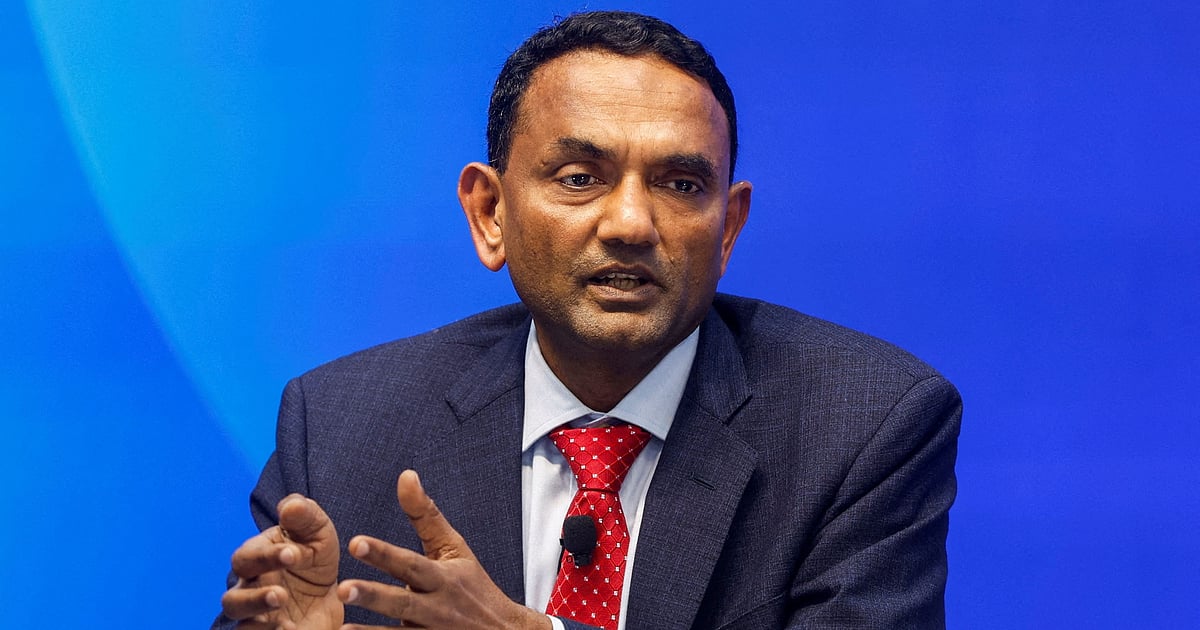
The increase in TCS CEO K Krithivasan's compensation to ₹26.52 crore for FY25, a 4.6% rise, highlights the ongoing debate surrounding executive pay and its relationship to median employee salaries. This situation at TCS, where the CEO's remuneration is roughly 330 times the median employee salary, is not unique to this company but reflects a broader trend within the corporate world, particularly in the technology sector. Analyzing this event requires a multifaceted approach, considering not only the performance of the CEO and the company but also the societal implications of such significant pay disparities. The escalating compensation packages awarded to top executives are often justified by arguments related to the individual's contributions to the company's success, their strategic vision, and the competitive market for top talent. Supporters of high executive pay contend that attracting and retaining highly skilled leaders is crucial for driving innovation, growth, and shareholder value. They argue that a CEO's decisions can have a profound impact on a company's bottom line, and that a generous compensation package incentivizes them to make choices that benefit the company in the long run. However, critics argue that these justifications often fail to address the ethical and social implications of such vast inequalities. The argument often extends to a consideration of the skills, education and experience required to lead and maintain the company at its current place in the business world. The complexity of the decisions the leader has to make are not faced by the general employee population. They suggest that a significant portion of executive compensation is often tied to factors outside of the CEO's direct control, such as overall market conditions or industry trends. Moreover, they point out that the benefits of corporate success are not always shared equitably among all stakeholders, including employees, customers, and the broader community. The substantial gap between executive pay and median employee salaries raises concerns about fairness, social justice, and the potential for decreased employee morale and productivity. When employees perceive that their contributions are not adequately valued or that the fruits of their labor are disproportionately accruing to top executives, it can lead to resentment, disengagement, and even attrition. This can ultimately harm the company's performance and reputation. From an economic perspective, the concentration of wealth in the hands of a few individuals can also have negative consequences for overall economic growth and stability. When a large portion of income is flowing to the top, it can reduce consumer spending, investment in productive activities, and overall demand for goods and services. This can exacerbate income inequality and create a vicious cycle of economic stagnation. The debate over executive pay also raises questions about corporate governance and accountability. Many critics argue that corporate boards, which are responsible for setting executive compensation, often lack sufficient independence and are too easily swayed by the interests of management. This can lead to a situation where executive pay is inflated without adequate justification or oversight. There have been calls for greater transparency and accountability in executive compensation practices, as well as for reforms to corporate governance structures to ensure that boards are truly acting in the best interests of all stakeholders. This includes considering measures such as shareholder votes on executive pay packages, limits on executive compensation, and greater employee representation on corporate boards. Furthermore, the issue of executive pay needs to be considered in the broader context of societal values and priorities. In a society that values fairness, equality, and social responsibility, there is a growing recognition that excessive executive compensation is not only economically unsustainable but also morally objectionable. There is a need for a fundamental shift in mindset, where corporate leaders are held to a higher standard of ethical conduct and are expected to prioritize the well-being of all stakeholders, not just shareholders. This requires a greater emphasis on values-based leadership, where executives are motivated by a sense of purpose and a commitment to creating a more just and equitable society. In conclusion, the increase in TCS CEO K Krithivasan's compensation, and the context of its ratio compared to the median salary of TCS employees, serves as a potent illustration of the ongoing tensions surrounding executive pay and its implications for fairness, economic equality, and corporate social responsibility. Addressing this issue requires a concerted effort from all stakeholders, including corporate boards, shareholders, employees, policymakers, and the broader public. By promoting greater transparency, accountability, and a more equitable distribution of wealth, we can create a more sustainable and just economic system that benefits all members of society. The ramifications of the current arrangement are more than just financial. The stability of the company and the perception from the outside community are important considerations in this ongoing issue. Furthermore, the morale of the employees can have a direct impact on the productivity and progress that the company makes. Finding a balance between incentives for leadership and equitable compensation packages is a continuing tightrope to walk in the current business landscape.
The issue of executive compensation is a complex one, deeply entwined with theories of economics, management, and social justice. While proponents often cite the 'efficient market hypothesis' – arguing that high pay reflects the scarcity of top talent and the high value they bring – critics point to the agency problem, where executives, as agents of shareholders, may prioritize their own interests. The truth likely lies somewhere in between. CEOs undeniably wield considerable power and influence within organizations. Their strategic decisions, leadership style, and ability to navigate complex challenges can significantly impact a company's performance. Therefore, incentivizing them with appropriate compensation is arguably necessary. However, the question remains: what constitutes 'appropriate'? Is a multiple of 330 times the median employee salary justifiable? This is where the debate intensifies. One perspective is that executive pay should be directly linked to performance. This is often achieved through performance-based bonuses, stock options, and other incentive mechanisms. However, even with performance-based pay, there are challenges. Firstly, defining and measuring 'performance' can be subjective and prone to manipulation. Secondly, short-term performance may be prioritized over long-term sustainability. Thirdly, external factors beyond the CEO's control can significantly influence a company's performance, making it difficult to accurately assess their contribution. Another perspective is that executive pay should be viewed through the lens of social responsibility. This perspective emphasizes the importance of fair wages, decent working conditions, and a commitment to social and environmental sustainability. From this viewpoint, excessive executive pay is seen as unethical and detrimental to society as a whole. It contributes to income inequality, exacerbates social divisions, and undermines trust in corporations. There is a growing movement calling for greater corporate social responsibility and a more equitable distribution of wealth. This movement advocates for policies such as higher minimum wages, progressive taxation, and stronger regulations on executive compensation. The TCS case highlights the tension between these competing perspectives. While the company may argue that its CEO's pay is justified by his performance and the competitive market for top talent, critics may point to the vast disparity between his pay and the median employee salary as evidence of a systemic problem. Ultimately, the question of how to address the issue of executive compensation requires a multi-pronged approach. This includes: Improving corporate governance: Strengthening the independence and accountability of corporate boards, empowering shareholders, and promoting greater transparency in executive compensation practices. Aligning executive pay with long-term performance: Focusing on metrics that measure long-term sustainability and social impact, rather than short-term financial gains. Promoting greater social responsibility: Encouraging corporations to prioritize the well-being of all stakeholders, including employees, customers, and the community. Strengthening regulations: Implementing policies that limit executive compensation, promote fair wages, and address income inequality. The debate over executive compensation is not simply a matter of economics or finance. It is a reflection of our values as a society. It is a question of what we believe is fair, just, and sustainable. By engaging in this debate and working towards solutions, we can create a more equitable and prosperous future for all.
The discussion surrounding executive compensation is further complicated by the evolving nature of work and the changing dynamics of the global economy. The rise of automation, artificial intelligence, and the gig economy are transforming the way we work and creating new challenges for both employers and employees. In this context, it is essential to consider how executive pay fits into the broader picture of workforce development and economic opportunity. One of the key challenges is the growing skills gap. As technology advances, the demand for skilled workers is increasing, while the supply of qualified candidates is lagging behind. This creates a situation where highly skilled professionals, including executives, are able to command high salaries, while many other workers are struggling to find stable and well-paying jobs. To address this challenge, it is essential to invest in education and training programs that equip workers with the skills they need to succeed in the 21st-century economy. This includes not only technical skills, but also soft skills such as communication, collaboration, and problem-solving. In addition, it is important to create pathways for workers to advance their careers and earn higher wages. This can be achieved through apprenticeship programs, on-the-job training, and other initiatives that provide workers with opportunities to learn new skills and gain valuable experience. Another challenge is the growing inequality in the distribution of wealth and income. As executive pay continues to rise, many workers are struggling to make ends meet. This can lead to social unrest and economic instability. To address this challenge, it is essential to implement policies that promote greater economic equality. This includes raising the minimum wage, strengthening labor protections, and investing in affordable housing, healthcare, and education. In addition, it is important to address the tax loopholes and offshore tax havens that allow wealthy individuals and corporations to avoid paying their fair share of taxes. By closing these loopholes and ensuring that everyone pays their fair share, we can generate more revenue to invest in public services and programs that benefit all members of society. The issue of executive compensation is not just a matter of fairness or economics. It is also a matter of social cohesion and national competitiveness. When executive pay is perceived as excessive or unfair, it can erode trust in corporations and institutions, leading to social unrest and political instability. In addition, it can undermine national competitiveness by diverting resources away from investments in innovation, education, and infrastructure. To ensure that executive compensation is aligned with the interests of society as a whole, it is essential to adopt a comprehensive and long-term perspective. This includes not only focusing on short-term financial gains, but also considering the social, environmental, and ethical implications of corporate decisions. In addition, it is important to engage in a constructive dialogue with all stakeholders, including executives, employees, shareholders, policymakers, and the public. By working together, we can create a more equitable and sustainable economy that benefits all members of society.
Source: TCS Executive Pay: CEO K Krithivasan’s FY25 Salary Up 4.6% to ₹26.52 Crore