
 |
|
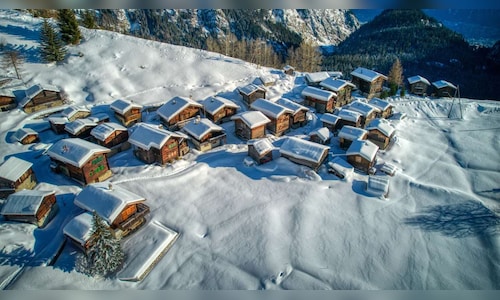
The recent glacier collapse in the Swiss Alpine village of Blatten serves as a stark reminder of the increasing dangers posed by climate change to mountainous regions around the world. The catastrophic event, which occurred on Wednesday, May 28th, witnessed a portion of the Birch Glacier breaking away, unleashing a massive landslide and devastating floods that buried the picturesque village under millions of cubic meters of ice, mud, and rocks. While the 300 residents of Blatten had been evacuated earlier in May, thanks to the foresight of local authorities who recognized the escalating risk, the destruction inflicted upon the village and its surrounding environment is immense and will have long-lasting consequences. The immediate aftermath of the collapse saw the debris blocking the River Lonza, leading to the formation of a dangerous lake and raising serious concerns about further flooding and the necessity of emergency evacuations downstream. The situation worsened by May 29th as the nearly two-kilometer-wide mass of debris choked the river, effectively transforming the valley into a precarious basin, trapping water and threatening to breach the unstable debris dam, which would result in even greater devastation. The Swiss army was placed on standby, equipped with heavy machinery such as water pumps and excavators, ready to intervene as soon as the terrain stabilized enough for safe operations. However, the persistent instability of the area hampered immediate relief efforts. Heartbreakingly, the disaster also resulted in a 64-year-old man going missing during the landslide, and despite rescue crews' valiant efforts, the search was eventually suspended due to the perilous conditions and the constant threat of further rockfalls. The residents of Blatten are undoubtedly reeling from the sheer scale of the destruction they have witnessed. Perhaps even more worryingly, scientists suggest that this event might be a particularly graphic demonstration of the accelerated glacial instability caused by climate change in the Alps and other mountainous regions globally. This instability poses significant threats not only to the immediate areas affected by such collapses, but also to downstream communities, infrastructure, and ecosystems. The Blatten disaster is a wake-up call, urging more concerted global action on climate change mitigation and adaptation to safeguard vulnerable regions from similar catastrophes. The intricate interplay between climate change, glacial dynamics, and human settlements must be carefully considered to prevent future tragedies and protect the unique natural beauty of alpine environments. The economic impact on the region will be substantial, as the destruction of infrastructure and disruption of tourism will likely result in significant financial losses. Beyond the immediate emergency response, long-term recovery and rebuilding efforts will be crucial to helping the community of Blatten get back on their feet. The disaster also highlights the need for improved monitoring and early warning systems in areas prone to glacial hazards, as well as land-use planning that takes into account the potential risks associated with climate change. The broader implications of the Blatten glacier collapse extend beyond the immediate region and serve as a reminder of the urgent need for international cooperation to address the global challenge of climate change. Without significant reductions in greenhouse gas emissions, we can expect to see more frequent and intense extreme weather events, including glacial collapses, in the years to come. The future of mountain communities and ecosystems hangs in the balance, and decisive action is needed to ensure their long-term survival.
The environmental repercussions of the glacier collapse are far-reaching. The sudden release of massive quantities of ice, water, and debris can significantly alter the local hydrology, impacting water quality, river flows, and downstream ecosystems. The large volume of sediment deposited into the river system can smother aquatic habitats, disrupting the food chain and potentially leading to the decline or extinction of sensitive species. The alteration of the landscape can also have long-term effects on vegetation patterns, soil stability, and biodiversity. Furthermore, the newly formed lake behind the debris dam poses a significant risk of sudden breach, which could unleash a catastrophic flood wave downstream, causing widespread damage and potentially loss of life. Monitoring the stability of the dam and implementing appropriate mitigation measures, such as controlled releases of water, is crucial to minimizing the risk of future flooding. The disaster also underscores the importance of assessing the vulnerability of infrastructure and communities to climate change impacts, particularly in mountain regions where glaciers are rapidly melting. This includes developing strategies for managing water resources, protecting against landslides and floods, and adapting to changing environmental conditions. The Blatten glacier collapse should prompt a reassessment of land-use planning practices in mountain areas, with a greater emphasis on avoiding development in high-risk zones and implementing stricter building codes to protect against natural hazards. Moreover, it is essential to invest in research and monitoring to better understand the dynamics of glaciers and their response to climate change. This includes using advanced technologies, such as satellite remote sensing and ground-based monitoring systems, to track changes in glacier volume, flow rates, and stability. The data collected from these monitoring efforts can be used to improve predictive models and early warning systems, allowing for more timely evacuations and other protective measures. In addition to the direct environmental impacts of the glacier collapse, there are also indirect effects that need to be considered. For example, the disruption of tourism in the region can have significant economic consequences, leading to job losses and reduced revenue for local businesses. The disaster can also have psychological impacts on residents, who may experience stress, anxiety, and trauma. Providing mental health support and counseling services is essential to helping communities cope with the aftermath of such events. The Blatten glacier collapse is a complex and multifaceted issue that requires a holistic approach to address its environmental, economic, and social impacts. By learning from this disaster, we can better prepare for the challenges of climate change and build more resilient communities in mountain regions around the world.
Examining the broader context of climate change and its influence on glacial stability is crucial. The rapid melting of glaciers is a clear indicator of a warming planet, and the consequences are far-reaching. As global temperatures rise, glaciers around the world are shrinking at an alarming rate, contributing to sea-level rise and threatening water resources in many regions. The melting of glaciers also exposes unstable slopes, increasing the risk of landslides and debris flows. The relationship between climate change and glacial hazards is complex and multifaceted. Warmer temperatures can weaken the ice, making it more susceptible to fracturing and collapse. Changes in precipitation patterns can also play a role, with increased rainfall leading to more frequent and intense floods. The thawing of permafrost, which is frozen ground that underlies many mountain regions, can further destabilize slopes and increase the risk of landslides. Understanding these complex interactions is essential for developing effective strategies to mitigate the risks associated with climate change and glacial hazards. This requires a multidisciplinary approach that integrates climate science, glaciology, geology, and engineering. It also requires close collaboration between scientists, policymakers, and local communities. The Blatten glacier collapse serves as a stark reminder of the urgent need to address climate change and its impacts on mountain regions. By reducing greenhouse gas emissions, we can slow the rate of glacial melting and reduce the risk of future disasters. In addition to mitigation efforts, it is also essential to invest in adaptation measures to help communities cope with the inevitable impacts of climate change. This includes developing early warning systems, improving infrastructure, and implementing land-use planning that takes into account the potential risks of glacial hazards. The Blatten disaster also highlights the importance of international cooperation in addressing climate change. Glaciers are a shared resource, and their fate affects communities around the world. By working together, we can share knowledge, resources, and expertise to protect these vital ecosystems and the communities that depend on them. The future of mountain regions and the communities that inhabit them depends on our collective action to address climate change. The Blatten glacier collapse should serve as a catalyst for change, inspiring us to take the necessary steps to protect our planet and ensure a sustainable future for all.
Source: Glacier collapse, floods devastate picturesque Swiss village: See before and after pics