
 |
|
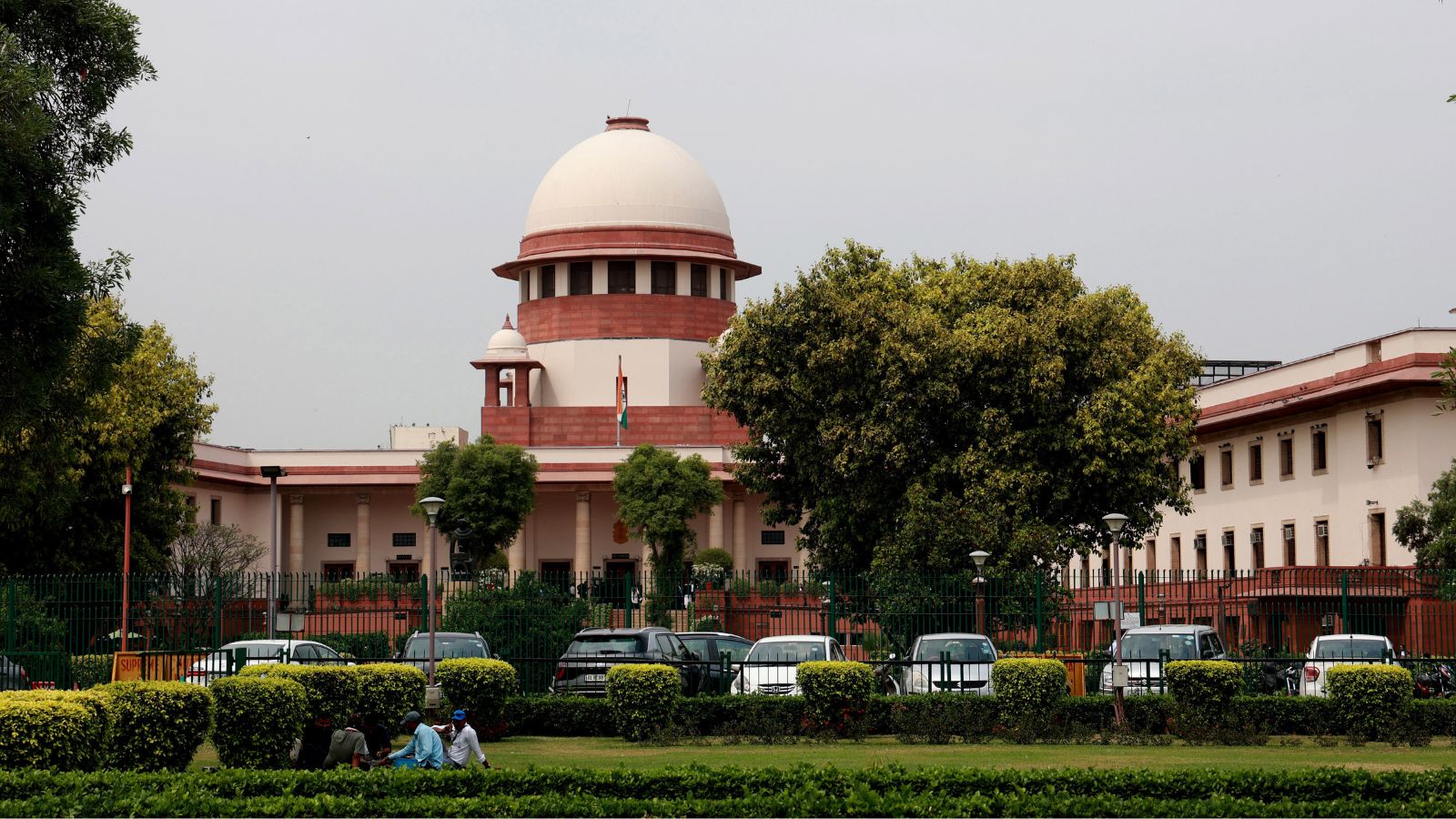
The Supreme Court's recent decision to deny refuge to a Sri Lankan national facing deportation has ignited a crucial debate about India's responsibilities towards refugees and the limits of its humanitarian obligations. The court's statement, characterizing India as “not a dharmshala,” underscores the immense pressure the nation faces in managing its vast population and limited resources. While the court’s remark, on its face, appears harsh, it brings to the forefront a complex issue encompassing legal frameworks, international agreements, domestic constraints, and ethical considerations. The immediate context of the case involves a Sri Lankan national who had served a seven-year sentence under the Unlawful Activities Prevention Act (UAPA) and was facing deportation. He argued that he faced threats to his life in Sri Lanka due to his past association with the Liberation Tigers of Tamil Eelam (LTTE). The petitioner’s plea for asylum was based on the fear of persecution and the potential violation of his fundamental rights. However, the Supreme Court, comprising Justices Dipankar Datta and Vinod Chandran, was unconvinced, stating that there was no violation of any fundamental right and that the detention was in accordance with established legal procedures. The core of the court's reasoning revolves around the immense demographic pressure on India. With a population of 1.4 billion, the nation is already grappling with widespread poverty, unemployment, and inadequate access to basic services like healthcare and education. The court emphasized that India is already struggling to provide for its own citizens and cannot be expected to accommodate refugees from across the globe. The term “dharmshala,” traditionally referring to a charitable rest house, was used to illustrate the limited capacity of the nation to act as a universal sanctuary. This argument highlights a growing sentiment in many countries, particularly those with large populations and strained resources, that there are limits to their ability to absorb refugees and asylum seekers. It raises the question of whether a nation's primary responsibility lies with its own citizens, especially when resources are scarce. However, the court's decision also raises significant concerns regarding India's international obligations and its commitment to upholding human rights. As a signatory to various international conventions, including the Universal Declaration of Human Rights, India has a responsibility to protect individuals from persecution and to ensure that they are not returned to countries where they face a credible threat to their lives or safety. The principle of non-refoulement, a cornerstone of international refugee law, prohibits the return of refugees to countries where they would face persecution. While India is not a signatory to the 1951 Refugee Convention, the principle of non-refoulement is considered a part of customary international law and is generally binding on all states. The Supreme Court’s suggestion that the petitioner could consider moving to another country further complicates the matter. It implies that India is shirking its responsibility to provide protection to individuals who have a well-founded fear of persecution in their home countries. The practical implications of such a suggestion are also questionable, as it is often extremely difficult for asylum seekers to find refuge in another country, especially when they are facing deportation. Furthermore, the case highlights the complex political and historical context of the Sri Lankan Tamil refugee crisis. The conflict between the Sri Lankan government and the LTTE resulted in a mass exodus of Tamil refugees to India, particularly to the state of Tamil Nadu. For decades, India provided refuge to these individuals, often on humanitarian grounds. However, the end of the civil war in Sri Lanka and the changing political landscape have led to a reassessment of India's refugee policy. The Indian government has been increasingly focused on repatriating Sri Lankan Tamil refugees, despite concerns about the potential risks they may face upon return. The case of the Sri Lankan national serves as a microcosm of a broader debate about immigration, national security, and humanitarianism. In an era of increasing global migration and displacement, nations are struggling to balance their sovereign rights with their ethical obligations to protect vulnerable populations. The Supreme Court's decision reflects this tension and underscores the need for a comprehensive and nuanced approach to refugee policy. It necessitates a deeper engagement with international law, human rights principles, and the realities of global migration. While acknowledging the immense demographic and economic pressures that India faces, it is imperative to ensure that the nation’s response to refugee crises is guided by compassion, justice, and a commitment to upholding the fundamental rights of all individuals, regardless of their nationality or origin. The “dharmshala” comment should not be interpreted as a rejection of humanitarian principles, but rather as a call for a more sustainable and equitable approach to refugee management, one that takes into account both the needs of refugees and the constraints of the host country.
The Supreme Court's stance has drawn criticism from human rights organizations and refugee advocates who argue that it sets a dangerous precedent. By prioritizing national interests over humanitarian obligations, the court risks undermining India's reputation as a defender of human rights and a champion of the oppressed. Critics point out that India has a long history of providing refuge to persecuted communities, including Tibetans, Afghans, and Bangladeshis. This tradition of hospitality and compassion has been a source of pride for the nation and has helped to shape its identity as a pluralistic and inclusive society. Abandoning this tradition in the face of contemporary challenges would be a significant setback for India's moral standing in the world. Moreover, critics argue that the court's decision fails to adequately consider the specific circumstances of the petitioner's case. The petitioner claimed that he faced a credible threat of persecution in Sri Lanka due to his past association with the LTTE. He argued that he would be arrested, tortured, and possibly killed if he were to be deported. Under international law, these claims should have been carefully assessed to determine whether the petitioner had a well-founded fear of persecution. The court's summary dismissal of his plea suggests a lack of sensitivity to the very real dangers that he faces. Furthermore, the court's reliance on the argument that India is already overburdened by its large population is problematic. While it is true that India faces significant economic and social challenges, these challenges should not be used as a justification for denying refuge to individuals who are at risk of persecution. Wealthier nations also face resource constraints, but these constraints do not absolve them of their responsibility to provide asylum to those in need. Instead, the court should have focused on exploring alternative solutions, such as providing temporary protection to the petitioner or working with international organizations to find a durable solution to his situation. The court's decision also raises concerns about the fairness and impartiality of the judicial process. The petitioner was facing deportation after serving a seven-year sentence under the UAPA. This law has been criticized for its broad scope and its potential for misuse. The fact that the petitioner was convicted under this law raises questions about the legitimacy of his detention and the fairness of his trial. The court should have taken these concerns into account when considering his plea for asylum. Instead, it appears to have deferred to the government's assessment of the situation, without adequately scrutinizing the evidence or considering the petitioner's perspective. Ultimately, the Supreme Court's decision in this case represents a missed opportunity to reaffirm India's commitment to human rights and its leadership role in the global refugee regime. By prioritizing national interests over humanitarian obligations, the court has sent a message that India is no longer willing to provide refuge to those who are fleeing persecution. This message is not only damaging to India's reputation, but it also sets a dangerous precedent for other countries that are grappling with similar challenges. The court should reconsider its approach to refugee cases and ensure that its decisions are guided by compassion, justice, and a commitment to upholding the fundamental rights of all individuals.
Beyond the immediate legal and ethical considerations, the Supreme Court's decision touches upon broader questions of national identity and social cohesion. The debate over immigration and refugee policy often reflects deeper anxieties about cultural change, economic competition, and national security. In India, these anxieties are particularly acute, given the country's vast diversity, its history of communal violence, and its geopolitical vulnerabilities. The court's decision can be seen as a response to these anxieties, reflecting a desire to protect India's borders and preserve its cultural identity. However, it is important to recognize that these anxieties are often based on misconceptions and prejudices. Immigrants and refugees are not necessarily a threat to national security or economic stability. In fact, they can make valuable contributions to society, bringing new skills, ideas, and perspectives. By embracing diversity and promoting integration, India can strengthen its social fabric and enhance its economic competitiveness. The challenge is to create a welcoming and inclusive environment where immigrants and refugees can thrive, while also addressing the legitimate concerns of the host community. This requires a multi-faceted approach that includes effective border control, fair asylum procedures, integration programs, and public education campaigns. It also requires a commitment to combating xenophobia, discrimination, and hate speech. The Supreme Court has a crucial role to play in shaping this approach. By upholding the principles of equality, justice, and human dignity, the court can help to build a society where all individuals, regardless of their nationality or origin, are treated with respect and compassion. The court's decisions should be informed by a deep understanding of the social, economic, and political context, as well as a commitment to upholding international law and human rights standards. Ultimately, the debate over refugee policy is not just about numbers and resources. It is about values and principles. It is about whether India will remain true to its tradition of hospitality and compassion, or whether it will succumb to fear and prejudice. The Supreme Court's decision in this case will have a lasting impact on India's identity and its role in the world. It is therefore essential that the court approaches these issues with the utmost care and deliberation. The concept of “dharmshala” can be reinterpreted in a more nuanced way. While India may not be able to provide unlimited refuge to all who seek it, it can strive to be a sanctuary for those who are genuinely in need, while also working to address the root causes of displacement and persecution. This requires a commitment to promoting peace, justice, and human rights around the world. It also requires a willingness to share the burden of refugee protection with other countries. By working together with the international community, India can help to create a more just and equitable world, where all individuals have the opportunity to live in safety and dignity.
Source: ‘India is not a dharmshala’: Supreme Court rejects Sri Lankan man’s plea seeking refuge