
 |
|
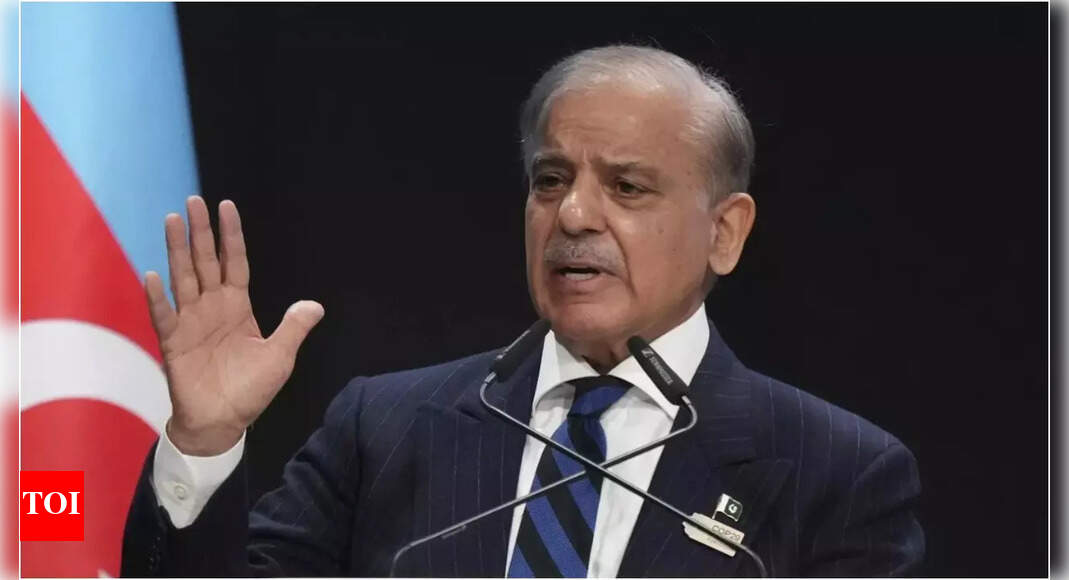
The recent admission by Pakistani Prime Minister Shehbaz Sharif regarding Indian missile strikes deep within Pakistan, including a hit on Rawalpindi airport, marks a significant escalation in the already tense relationship between the two nuclear-armed neighbors. Sharif's statements, made at a trilateral summit in Lachin, Azerbaijan, not only confirm previous reports of such strikes but also provide a timeline of events leading up to and following the alleged attacks. This public acknowledgment could have far-reaching consequences for regional stability and future diplomatic efforts. The context of these strikes, as described in the article, is crucial. According to Sharif, Pakistan had planned a retaliatory response to perceived Indian aggression but was preempted by further Indian missile attacks, including those involving the supersonic BrahMos missile. This narrative paints a picture of escalating tensions, where each side accuses the other of provocation and aggression. The specific mention of Operation Sindoor and its alleged targeting of terrorist infrastructure in Pakistan and Pakistan-occupied Kashmir (PoK) adds another layer of complexity. India's justification for the operation, based on the Pahalgam terror attack, highlights the persistent issue of cross-border terrorism and the accusations leveled against Pakistan for allegedly supporting such activities. The article also reveals details about the scale of the alleged operation, claiming the destruction of eleven Pakistani airbases and the targeting of nine terror launchpads. These claims, if verified, would indicate a significant military operation with potentially devastating consequences. The de-escalation that followed, facilitated by a meeting between the Directors General of Military Operations, suggests a mutual recognition of the dangers of further escalation. However, the subsequent appeals for dialogue from Sharif and the firm rejection of these overtures by India demonstrate the deep-seated mistrust and unwillingness to engage in meaningful negotiations under the current circumstances. India's insistence that "terrorism and talks cannot go together" and its demand for Pakistan to "credibly and irrevocably abjure its support to cross-border terrorism" set a high bar for any future dialogue. The suspension of the Indus Waters Treaty further underscores the severity of the situation and the linkage of critical water resources to security concerns. The article also highlights the stark contrast in the narratives presented by India and Pakistan. Sharif portrays Pakistan as a victim of Indian aggression, while India maintains its stance that any military action was a response to Pakistani-sponsored terrorism. This divergence in perspectives makes it extremely difficult to find common ground and resolve the underlying issues. The implications of these events extend beyond the immediate security concerns. The potential for miscalculation and escalation remains a constant threat, especially given the nuclear capabilities of both countries. The international community has a vested interest in preventing further escalation and promoting dialogue between India and Pakistan. The challenges in achieving this, however, are significant. The deep-seated mistrust, the unresolved issues of Kashmir and cross-border terrorism, and the differing narratives make it difficult to create a conducive environment for negotiations. Furthermore, domestic political considerations in both countries may further complicate the process. For India, any perceived weakness in its stance against Pakistan could be politically damaging, while for Pakistan, addressing the issue of cross-border terrorism could face resistance from within certain segments of society. The role of external actors, such as the United States and China, is also crucial. These countries have the potential to exert influence and facilitate dialogue, but their own strategic interests in the region may complicate their efforts. Ultimately, the path towards peace and stability between India and Pakistan requires a fundamental shift in mindset. Both countries need to recognize the dangers of continued escalation and the necessity of finding peaceful solutions to their disputes. This will require a willingness to compromise, to address the root causes of the conflict, and to build trust through verifiable actions. The recent revelations by Sharif, while concerning, also present an opportunity for both countries to re-evaluate their strategies and to explore new avenues for dialogue. The future of the region depends on their ability to seize this opportunity and to work towards a more peaceful and stable relationship. Failure to do so will only perpetuate the cycle of conflict and instability, with potentially devastating consequences.
The admission by Prime Minister Sharif regarding the Indian missile strikes carries significant weight due to its implications for Pakistani national security and its potential impact on domestic politics. For a sitting head of state to acknowledge such a breach of sovereignty is a rare occurrence and suggests that the situation was indeed critical. The decision to go public with this information may have been driven by several factors, including a desire to rally domestic support, to seek international condemnation of India's actions, or to provide a justification for potential future actions. However, it also carries the risk of exposing vulnerabilities and fueling criticism from political opponents who may question the government's handling of the situation. The confirmation of the BrahMos missile strike is particularly concerning, given the missile's advanced capabilities and its potential to inflict significant damage. The fact that the missile reportedly struck an airport in Rawalpindi, a city with a heavy military presence, suggests that the target was deliberately chosen to send a strong message. This incident raises serious questions about Pakistan's air defense capabilities and its ability to deter future attacks. The claim that Pakistan was planning a retaliatory response before being preempted by further Indian strikes adds another layer of complexity to the situation. This suggests that Pakistan was prepared to escalate the conflict and that the Indian strikes may have been intended to disrupt those plans. However, it also raises questions about the timing and rationale behind Pakistan's planned response. Was it a proportionate response to the initial perceived aggression, or was it intended to further escalate the conflict? The mention of Operation Sindoor and its alleged targeting of terrorist infrastructure is a key element in understanding the Indian perspective. India has long accused Pakistan of supporting cross-border terrorism and has used this as justification for various military actions. The targeting of terror launchpads in PoK, if confirmed, would be consistent with this strategy. However, the destruction of eleven Pakistani airbases, as claimed in the article, would be a significant escalation and would likely be seen as an act of aggression by Pakistan. The de-escalation that followed the meeting between the Directors General of Military Operations suggests that both sides recognized the dangers of further escalation and were willing to take steps to prevent it. However, the subsequent appeals for dialogue from Sharif and the firm rejection of these overtures by India demonstrate the deep-seated mistrust and the difficulty in finding common ground. The Indus Waters Treaty, which has been a relatively stable element in the relationship between India and Pakistan, is now under threat. India's decision to suspend the treaty underscores the severity of the situation and the linkage of critical water resources to security concerns. The rejection of dialogue based on terrorism is a long-standing Indian policy. The confirmation of these strikes by a Prime Minister creates urgency to address the cross-border terrorism. Without it, there will be no negotiation possible.
The broader geopolitical context in which these events unfolded is crucial for understanding their significance. The region is already facing numerous challenges, including the ongoing conflict in Afghanistan, the rise of extremist groups, and the increasing competition between major powers. The escalation of tensions between India and Pakistan could further destabilize the region and have far-reaching consequences. The role of external actors, such as the United States, China, and Russia, is also important. These countries have strategic interests in the region and may seek to influence the situation in ways that benefit their own agendas. The United States, for example, has traditionally been a close ally of Pakistan but has also been forging closer ties with India in recent years. This complex relationship makes it difficult for the United States to play a neutral role in the conflict. China, on the other hand, has a long-standing relationship with Pakistan and has been investing heavily in infrastructure projects in the region. This has raised concerns in India about China's growing influence and its potential to use Pakistan as a proxy. Russia has also been seeking to expand its influence in the region and has been engaging with both India and Pakistan. This has created a complex web of relationships that makes it difficult to predict the future course of events. The international community as a whole has a responsibility to prevent further escalation and to promote dialogue between India and Pakistan. This will require a coordinated effort involving major powers, international organizations, and regional actors. However, the challenges in achieving this are significant. The deep-seated mistrust, the unresolved issues, and the competing interests make it difficult to create a conducive environment for negotiations. Ultimately, the path towards peace and stability between India and Pakistan requires a fundamental shift in mindset. Both countries need to recognize the dangers of continued escalation and the necessity of finding peaceful solutions to their disputes. This will require a willingness to compromise, to address the root causes of the conflict, and to build trust through verifiable actions. The recent revelations by Sharif, while concerning, also present an opportunity for both countries to re-evaluate their strategies and to explore new avenues for dialogue. The future of the region depends on their ability to seize this opportunity and to work towards a more peaceful and stable relationship. Failure to do so will only perpetuate the cycle of conflict and instability, with potentially devastating consequences. The international community must actively push for de-escalation and facilitate constructive dialogue between India and Pakistan to prevent further escalation and maintain regional stability.