
 |
|
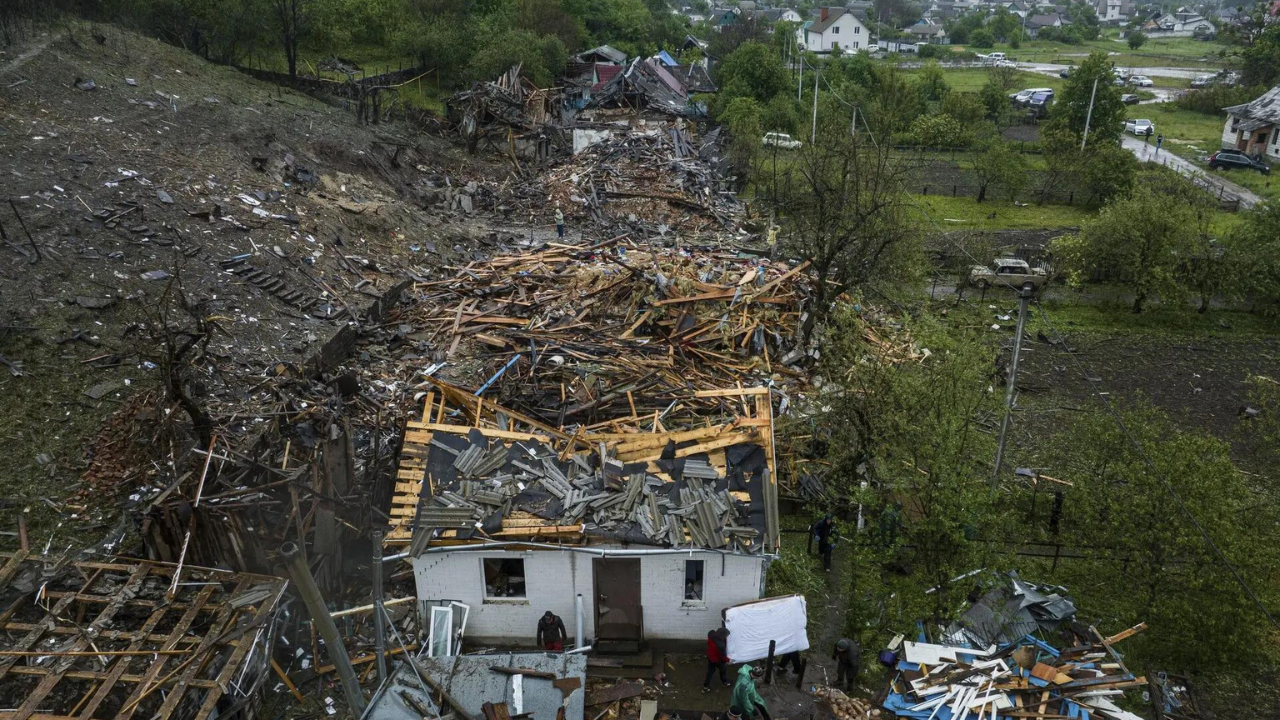
The provided article, though brief, points to a complex and concerning situation in the ongoing conflict between Russia and Ukraine. The simultaneous occurrence of a large-scale drone attack and a significant prisoner exchange highlights the multifaceted nature of the war and the precarious balance between military action and diplomatic efforts. The fact that Russia reportedly launched 355 drones overnight underscores the intensity of the conflict and the devastating impact it has on Ukraine. Drone warfare has become a prominent feature of modern conflicts, offering a relatively inexpensive and easily deployable means of inflicting damage and disrupting enemy operations. The use of such a large number of drones suggests a coordinated and strategic attack aimed at overwhelming Ukrainian defenses and inflicting significant damage on infrastructure and military assets. The choice of timing, coinciding with a major prisoner exchange, raises questions about Russia's motivations. It is possible that the attack was intended as a show of force, demonstrating Russia's continued military capabilities and resolve despite ongoing negotiations and exchanges. Alternatively, it could have been a strategic move to weaken Ukraine's defenses or disrupt its ability to effectively respond to future attacks. The prisoner exchange itself is a positive development, representing a humanitarian effort to return captured soldiers to their respective countries. The exchange of 307 Russian prisoners of war for an equal number of Ukrainian soldiers suggests a willingness on both sides to engage in negotiations and compromise, even amidst the ongoing conflict. However, the fact that the exchange was overshadowed by a large-scale drone attack underscores the fragility of the peace process and the challenges involved in achieving a lasting resolution to the conflict. The international community has repeatedly condemned Russia's aggression against Ukraine and called for a peaceful resolution to the conflict. However, Russia has continued to pursue its military objectives, and the ongoing fighting has resulted in significant loss of life and widespread destruction. The use of drone warfare has further complicated the situation, making it more difficult to distinguish between military and civilian targets and increasing the risk of unintended casualties. The need for a comprehensive and sustainable peace agreement is more urgent than ever. Such an agreement must address the underlying causes of the conflict, ensure the security and sovereignty of Ukraine, and provide for the safe return of all prisoners of war. In addition, it is essential to hold those responsible for war crimes and other atrocities accountable for their actions. The future of Ukraine and the wider region depends on the ability of the international community to work together to achieve a lasting peace.
Furthermore, the reliance on drones in this conflict highlights the evolving nature of modern warfare. The relatively low cost and ease of deployment of drones make them an attractive option for both offensive and defensive operations. However, the use of drones also raises ethical and legal concerns, particularly regarding the potential for civilian casualties and the lack of accountability for drone operators. As drone technology continues to advance, it is crucial that international norms and regulations are developed to govern their use and prevent their misuse. The prisoner exchange, while a positive step, also underscores the immense human cost of the conflict. The fact that hundreds of soldiers have been captured on both sides highlights the scale of the fighting and the suffering endured by those involved. The process of identifying, detaining, and exchanging prisoners of war is complex and often fraught with challenges. It requires careful coordination between the warring parties and the involvement of neutral organizations to ensure the humane treatment of prisoners and the fair execution of the exchange. The psychological impact of captivity on soldiers can be significant, and many prisoners of war require extensive rehabilitation and support upon their return home. The provision of adequate medical care, psychological counseling, and social reintegration services is essential to help these individuals overcome their trauma and rebuild their lives. The exchange also raises questions about the fate of other prisoners of war who remain in captivity. It is important that efforts continue to secure the release of all prisoners of war and ensure that they are treated humanely and in accordance with international law. The international community has a responsibility to monitor the treatment of prisoners of war and to advocate for their release. The ongoing conflict in Ukraine is a stark reminder of the human cost of war. It is essential that all parties involved prioritize the protection of civilians, respect international law, and work towards a peaceful resolution to the conflict. The use of drone warfare, the treatment of prisoners of war, and the humanitarian impact of the conflict are all issues that require urgent attention and action.
Moreover, the geopolitical implications of the drone attack coupled with the prisoner exchange are significant. This incident further strains the already tense relationship between Russia and Ukraine, making any future negotiations even more difficult. The international community's response will be crucial in shaping the future trajectory of the conflict. Strong condemnation of Russia's actions, coupled with continued support for Ukraine, is necessary to deter further aggression and encourage a peaceful resolution. The reliance on drone warfare also highlights the need for enhanced air defense systems and strategies to counter this evolving threat. Investing in technologies and tactics that can effectively detect, track, and neutralize drones is essential to protect critical infrastructure and civilian populations. The prisoner exchange, despite its positive aspects, also serves as a reminder of the deep-seated divisions and mistrust between Russia and Ukraine. The fact that it took months of negotiations to secure the release of a relatively small number of prisoners underscores the challenges involved in building trust and cooperation between the two countries. The role of international mediators is critical in facilitating dialogue and building confidence between the warring parties. The Organization for Security and Co-operation in Europe (OSCE) and other international organizations have played a valuable role in monitoring the conflict and promoting a peaceful resolution. However, their efforts have been hampered by the lack of cooperation from both sides. A renewed commitment to diplomacy and a willingness to compromise are essential to overcome these obstacles and achieve a lasting peace. The ongoing conflict in Ukraine is a complex and multifaceted crisis with far-reaching consequences. It requires a comprehensive and coordinated response from the international community to address the immediate humanitarian needs, deter further aggression, and promote a peaceful resolution. The use of drone warfare, the treatment of prisoners of war, and the geopolitical implications of the conflict are all issues that demand urgent attention and action. Only through a concerted effort can we hope to bring an end to this tragic conflict and ensure a future of peace and stability for Ukraine and the wider region.
Source: 355 drones overnight: Russia’s massive assault on Ukraine since war began