
 |
|
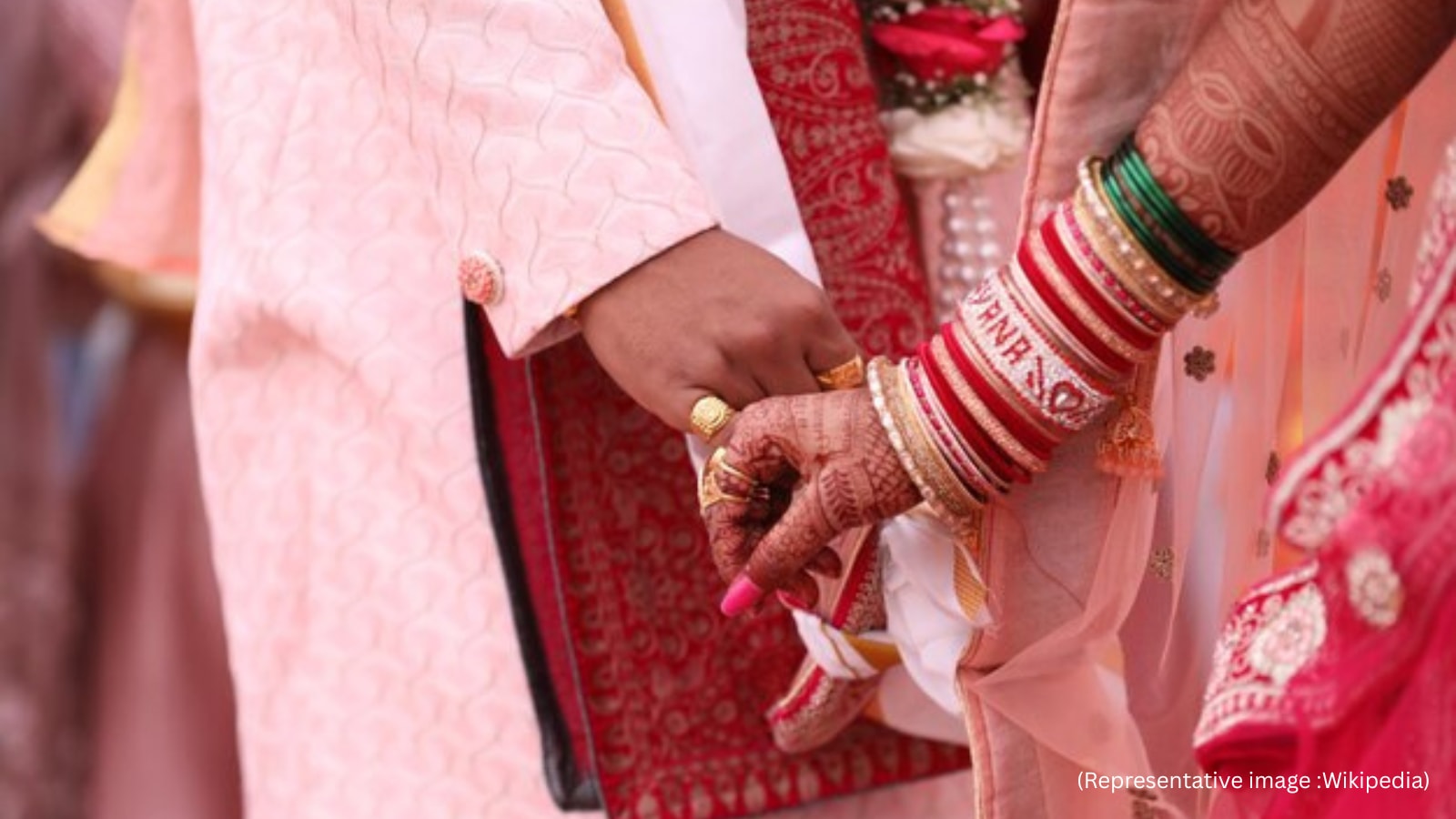
The news from Karauli, Rajasthan, paints a bizarre picture of a wedding abruptly halted, not by familial dispute or financial woes, but by the ubiquitous intrusion of a phone call. The groom, engaged in the sacred ritual of pheras, the circumambulation around the holy fire that symbolizes the union of two souls, found himself at the receiving end of persistent phone calls. Reportedly, these calls originated from another woman, a detail that ultimately led him to abandon the wedding ceremony mid-way. This incident highlights the increasing complexities of modern relationships, where digital communication and its attendant distractions can dramatically impact even the most traditional ceremonies and deeply held commitments. The six pheras completed represent a significant investment of emotion, time, and social capital for both families involved. To abruptly cease the ritual after that point suggests a catalyst of considerable force, implying the content of the phone calls and the groom's relationship with the caller likely revealed something that irreversibly changed the dynamic of the situation. The incident raises a myriad of questions about trust, communication, and the role of technology in shaping contemporary social interactions. Was this a long-standing relationship brought to light? Was it a deliberate attempt to sabotage the wedding? Or was it simply a moment of poor judgment amplified by the intense pressure of the situation? The answers to these questions remain shrouded in the immediate aftermath, but their impact on the lives of the bride and groom, as well as their respective families, will undoubtedly be profound. The story serves as a stark reminder of the delicate balance between tradition and modernity, and the potential for unexpected events to disrupt even the most carefully planned life events. It also opens a window into the evolving social norms surrounding marriage and commitment in a society increasingly shaped by digital interconnectedness. The consequences of this cancellation are vast, encompassing not only the emotional distress of the bride but also the social stigma and potential financial repercussions for both families. The narrative underscores the need for open communication and transparency in relationships, particularly as individuals navigate the complexities of modern life where past connections and hidden truths can be so readily unearthed. Furthermore, it prompts a reflection on the societal pressures surrounding marriage and the importance of personal agency in making such a profound decision. The groom's decision, though unconventional, ultimately reflects a choice driven by the information revealed during that fateful phone call. Whether it was a courageous act of honesty or a regrettable display of impulsiveness remains open to interpretation. Regardless, the incident stands as a compelling narrative of unexpected disruption and the evolving landscape of love and commitment in the 21st century. The seventh and final phera, the one left uncompleted, will forever symbolize the abrupt and jarring end to what was meant to be the beginning of a lifelong journey together. This incomplete circle represents a future now uncertain, filled with unanswered questions and the enduring echo of a phone call that changed everything. The story has a Shakespearean quality, a twist of fate orchestrated by modern means that abruptly altered the trajectory of multiple lives. It’s a cautionary tale about secrets, commitments, and the power of communication, or lack thereof, to shape our destinies. The long-term impacts will extend far beyond the immediate families, rippling through the community and serving as a constant reminder of the wedding that never was. It might influence future matrimonial decisions, create anxieties about past relationships and demonstrate the volatile nature of modern relationships where digital footprints and unexpected revelations can derail even the most carefully laid plans. The incident is a stark reminder that technology, while connecting us, can also expose vulnerabilities and unravel carefully constructed realities. As such, it warrants deeper reflection on the responsible use of communication tools and the imperative for honesty and transparency in navigating the complexities of modern relationships. The groom's actions will likely be viewed through different lenses, depending on cultural perspectives and individual values. Some may see him as irresponsible and disrespectful, while others might perceive him as brave and honest for refusing to enter into a marriage based on incomplete information or unresolved feelings. The truth, as always, lies somewhere in between, a complex tapestry of circumstances and motivations that can never be fully understood. The incident serves as a potent reminder that even in the age of seemingly limitless information, the true nature of human relationships remains shrouded in mystery, subject to the unpredictable forces of fate and the enduring power of personal choice.
The immediate aftermath of the cancelled wedding would have been fraught with chaos, confusion, and intense emotional distress. The bride, undoubtedly devastated, would face not only the heartbreak of a broken engagement but also the potential stigma associated with being abandoned at the altar. Her family, equally heartbroken and likely humiliated, would grapple with the social and financial repercussions of the abrupt cancellation. The groom's family, too, would bear the weight of the situation, facing potential criticism from their community and the burden of explaining their son's actions. The air would be thick with unanswered questions, accusations, and a profound sense of disappointment. The wedding festivities, once a source of joy and celebration, would transform into a scene of mourning and recrimination. The carefully planned arrangements, the meticulously prepared food, and the elaborate decorations would stand as stark reminders of what might have been. The guests, initially anticipating a joyous occasion, would be left to navigate the awkwardness and discomfort of witnessing such a dramatic turn of events. Rumors would inevitably spread, fueled by speculation and incomplete information, further exacerbating the situation. The long-term impact on the relationship between the two families could be irreparable, creating a deep-seated animosity that might endure for generations. The financial implications of the cancelled wedding would also be significant. The cost of the venue, the catering, the decorations, and the wedding attire would represent a substantial loss for both families. Determining who bears the responsibility for these expenses would likely become a source of contention, adding further strain to an already tense situation. Beyond the immediate emotional and financial consequences, the cancelled wedding could also have a lasting impact on the individuals involved. The bride, in particular, might struggle with feelings of self-doubt and insecurity, questioning her worthiness of love and fearing future rejection. The groom, too, might face feelings of guilt and remorse, grappling with the consequences of his actions and the potential damage he has caused. The incident could also influence their future relationships, making them more cautious and hesitant to commit. The community's response to the cancelled wedding would also play a significant role in shaping the narrative. Depending on cultural norms and societal expectations, the bride might face greater scrutiny and judgment than the groom. The incident could become a source of gossip and speculation, potentially affecting her social standing and future prospects. The groom, on the other hand, might be viewed as either courageous or irresponsible, depending on the prevailing attitudes within the community. Ultimately, the cancelled wedding serves as a reminder of the fragility of human relationships and the potential for unforeseen events to disrupt even the most carefully laid plans. It underscores the importance of open communication, honesty, and mutual respect in building lasting bonds. It also highlights the need for empathy and understanding in navigating the complexities of love and commitment in a rapidly changing world. The long-term effects of the cancellation will resonate through the lives of the families and individuals involved for years to come, serving as a potent reminder of the wedding that never was.
The incident also provides a lens through which to examine the evolving role of technology in shaping modern relationships. The fact that a phone call could so dramatically alter the course of a wedding ceremony underscores the pervasive influence of digital communication in contemporary society. Smartphones, with their constant connectivity and access to information, have become integral to our daily lives, shaping the way we interact with each other and the world around us. While technology can facilitate communication and strengthen relationships, it can also create new challenges and vulnerabilities. The ease with which we can connect with others online can also lead to infidelity, hidden relationships, and a blurring of boundaries. The constant stream of information and distractions can also erode trust and create a sense of insecurity. In the case of the cancelled wedding, the phone call served as a catalyst for revealing a hidden truth, highlighting the potential for technology to expose secrets and unravel carefully constructed realities. The incident also raises questions about the appropriate use of technology in personal relationships. Should the groom have answered the phone during the wedding ceremony? Was it disrespectful to the bride and her family? Or was it a necessary act of honesty that prevented him from entering into a marriage based on incomplete information? The answers to these questions are subjective and depend on individual values and cultural norms. However, the incident underscores the importance of establishing clear boundaries and expectations regarding technology use in relationships. Couples need to communicate openly about their digital habits and set guidelines for managing online interactions. They also need to be mindful of the potential for technology to create misunderstandings and erode trust. In addition to its impact on personal relationships, technology also plays a significant role in shaping societal attitudes towards marriage and commitment. Social media platforms, in particular, can create unrealistic expectations about love and relationships, promoting idealized images of happiness and perfection. This can lead to dissatisfaction and insecurity, making it more difficult for couples to navigate the challenges of long-term commitment. The cancelled wedding serves as a reminder that real relationships are complex and imperfect, requiring effort, compromise, and a willingness to work through difficulties. It also highlights the importance of disconnecting from technology and focusing on building meaningful connections with the people in our lives. In conclusion, the incident in Rajasthan underscores the complex interplay between tradition, technology, and personal choice in shaping modern relationships. It serves as a cautionary tale about the potential for unexpected events to disrupt even the most carefully laid plans, highlighting the importance of open communication, honesty, and mutual respect in building lasting bonds. It also prompts a reflection on the responsible use of technology and the need to prioritize meaningful connections over superficial online interactions. The wedding may have been cancelled, but the lessons learned from this experience will undoubtedly resonate through the lives of those involved for years to come.
The legal ramifications of a cancelled wedding in India, especially one terminated mid-ceremony, can be intricate and vary depending on the specific circumstances and applicable laws. While there isn't a singular, codified law addressing wedding cancellations specifically, the legal recourse often falls under contract law, tort law, and potentially, even criminal law, depending on the nature of the breach and any fraudulent intent. The first aspect to consider is the financial implications. Weddings in India, particularly in states like Rajasthan, often involve significant financial investments from both families. These expenses can include venue bookings, catering, decorations, bridal wear, jewelry, and gifts. If a wedding is cancelled, especially after substantial expenditure, the aggrieved party (usually the bride or her family) may seek to recover damages from the party responsible for the cancellation (in this case, the groom). This would typically involve filing a civil suit for breach of contract. To succeed in such a suit, the plaintiff would need to demonstrate that a valid agreement to marry existed, that the defendant breached this agreement by cancelling the wedding, and that the plaintiff suffered financial losses as a result of the breach. The court would then assess the damages based on the actual losses incurred, such as non-refundable deposits, wasted expenses, and potential loss of future earnings (particularly relevant in cases where the bride may have foregone career opportunities in anticipation of marriage). Another potential legal avenue is under tort law, specifically the tort of deceit or misrepresentation. If it can be proven that the groom intentionally concealed material facts (such as his relationship with another woman) that would have influenced the bride's decision to enter into the marriage agreement, the bride may be able to claim damages for emotional distress, mental anguish, and reputational harm. This type of claim is more difficult to prove, as it requires demonstrating fraudulent intent and a direct causal link between the groom's deceit and the bride's suffering. Furthermore, the Indian Penal Code (IPC) may come into play if there is evidence of criminal conduct. For example, if the groom or his family made false promises or misrepresented their intentions to induce the bride to enter into the marriage, they could potentially be charged with offences such as cheating or criminal breach of trust. Similarly, if there was any coercion or duress involved in the cancellation of the wedding, criminal charges could be filed against those responsible. The burden of proof in criminal cases is higher than in civil cases, requiring the prosecution to prove guilt beyond a reasonable doubt. In addition to financial and criminal liabilities, the cancelled wedding can also have significant social and reputational consequences. The bride, in particular, may face social stigma and difficulty in finding a suitable match in the future. This can lead to further emotional distress and psychological harm. While the law cannot fully compensate for these intangible losses, it can provide some measure of redress through damages for emotional distress and reputational harm. It is important to note that the specific legal remedies available will depend on the facts of the case, the applicable laws in Rajasthan, and the skill of the lawyers representing the parties. Seeking legal advice from a qualified advocate is essential for navigating the complexities of a cancelled wedding and protecting one's legal rights. The incident also highlights the need for greater awareness of legal rights and responsibilities in the context of marriage. Many individuals, particularly in rural areas, may not be fully aware of their legal options in cases of wedding cancellations or matrimonial disputes. Public awareness campaigns and legal aid programs can play a crucial role in empowering individuals to assert their rights and seek justice. The legal landscape surrounding cancelled weddings in India is evolving, with courts increasingly recognizing the emotional and financial harm caused by such events. While the law may not be able to fully repair the damage caused by a broken engagement, it can provide a measure of justice and ensure that those responsible for the cancellation are held accountable for their actions.
Source: Rajasthan man cancels wedding mid-ceremony after receiving a call during pheras