
 |
|
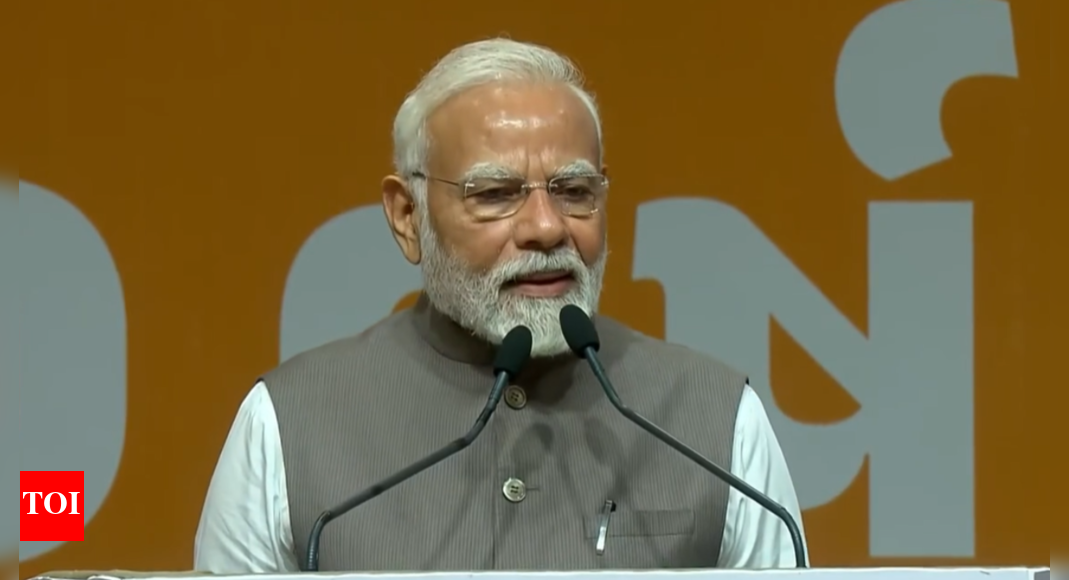
The article reports on Prime Minister Narendra Modi's assertive stance on Pakistan, focusing on the Indus Water Treaty and the issue of terrorism. Modi's statements carry significant weight given the historical tensions between the two nations and the strategic importance of the Indus River system. His criticism of the Indus Water Treaty, a decades-old agreement governing the sharing of water resources, raises concerns about potential changes in India's approach to the treaty and its implications for Pakistan's water security. The treaty, brokered by the World Bank in 1960, has been a cornerstone of relations, albeit a fragile one, between the two countries, surviving multiple conflicts and periods of heightened tension. Modi's remark that India has only kept the water under abeyance and Pakistan is already sweating suggests a willingness to use water as a leverage point, potentially exacerbating existing tensions. The specific details he provides regarding the maintenance of dams in Jammu and Kashmir, highlighting the non-opening of gates for cleaning and desilting over 60 years, is meant to build a strong case. His assertion that this has reduced the capacity of reservoirs to only 2-3% attempts to showcase the neglect and injustice done to the Indian population and their water rights under this treaty. This is a calculated move, seeking to justify future actions under the premise of reclaiming what is rightfully India's. The domestic audience gets a message of taking back what is considered due, while Pakistan gets a worrying signal of a potential tightening of water supplies. This is a significant shift from India's previously consistent adherence to the treaty, and it introduces a new element of uncertainty in the relationship.
Modi's emphasis on the right of Indian citizens to water further underscores the domestic political dimension of this issue. By framing it as a matter of fairness and national interest, he taps into a powerful sentiment that resonates with the Indian public. He is playing on the narrative of India’s sovereign right to use its resources as it deems fit, and that India is ready to take action to protect its water interests. His choice of words, such as 'rightful share of water', evokes a sense of entitlement and justification for potential unilateral actions. The reference to opening dam gates and starting cleaning suggests initial steps towards a more assertive approach to water management. Modi's words also serve as a warning to Pakistan, indicating that India is prepared to take concrete steps to assert its water rights, even if it causes discomfort or concern in Pakistan. This hardline stance on water, combined with his call for a more aggressive response to terrorism, reflects a broader shift in India's foreign policy towards a more assertive and proactive approach in dealing with perceived threats and injustices. This stance is consistent with Modi's broader nationalist agenda and his focus on projecting a strong image of India on the global stage. Modi’s comments, while potentially popular domestically, could also escalate tensions with Pakistan and undermine regional stability.
The Prime Minister's call for a stronger response to terrorist attacks marks a significant escalation in rhetoric. His statement – 'Shouldn’t a bullet be answered with a shell? Shouldn’t a brick be answered with a stone?' – indicates a willingness to abandon restraint and adopt a more aggressive military posture. He paints a picture of escalating violence, but also a shift in policy where India will be more proactive in its defense. His choice of metaphors, such as answering 'bullets with shells' and 'bricks with stones,' is designed to resonate with a domestic audience seeking a more decisive response to terrorism. By framing terrorism as a 'thorn' that must be removed, he dehumanizes the perpetrators and justifies potentially harsh measures to eliminate them. The reference to 'militarily trained terrorists' highlights the alleged state sponsorship of terrorism, implicitly pointing the finger at Pakistan. This rhetoric fuels the narrative of India as a victim of cross-border terrorism and strengthens the case for retaliatory actions. The strong language used by Modi is likely to play well with the domestic audience. However, the international community may react with caution, and potentially concern. The potential for increased violence raises the risk of escalation and miscalculation, with potentially devastating consequences for regional stability. It's a high-stakes gamble, that could either deter future attacks or trigger a cycle of retaliation that could prove difficult to contain. These statements are a sign of a shift in Indian policy that reflects a greater willingness to take risks and to assert its national interests more aggressively. Whether this strategy will be successful in deterring terrorism and resolving the long-standing disputes with Pakistan remains to be seen.
Source: 'Haven't done anything yet and Pakistan is already sweating': PM Modi on Indus Water treaty