
 |
|
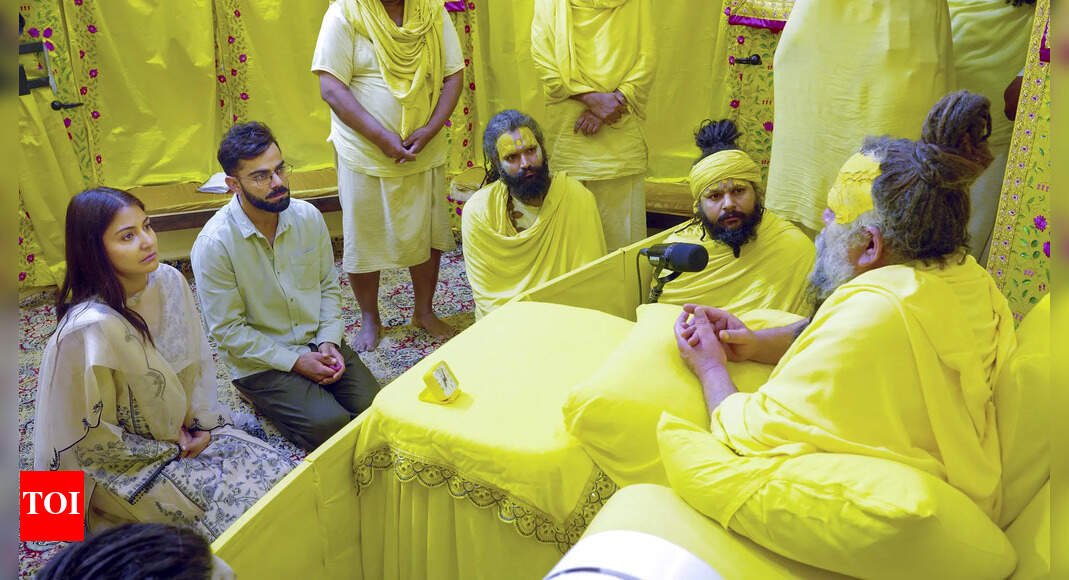
Virat Kohli's decision to retire from Test cricket sent ripples across the cricketing world, triggering reactions from fans, analysts, and even the paparazzi. The incident at Mumbai airport, where Kohli and his wife, actress Anushka Sharma, were confronted by persistent photographers, offers a glimpse into the fervent emotions surrounding the cricketer's departure from the longest format of the game. The paparazzi's comments, ranging from expressions of disappointment to declarations of abandoning cricket viewership, highlight the significant impact Kohli had on his fans. This event serves as a microcosm of the broader discussion about Kohli's legacy and the future of Indian cricket in his absence. The article captures the raw, unfiltered emotions of fans who felt personally affected by Kohli's decision. Their words, though perhaps overly dramatic, reflect the deep connection many individuals have with their sporting heroes. The paparazzi's plea for Kohli to reconsider and their assertion that they only watched cricket because of him underscores the immense popularity and influence Kohli wielded. It also raises questions about the parasocial relationships that develop between athletes and their fans in the age of social media and constant media coverage. The airport incident also provides insight into the challenges celebrities face in navigating public life. The paparazzi's aggressive approach, while perhaps understandable given their profession, highlights the lack of privacy and constant scrutiny that comes with fame. Kohli's polite but firm refusal to take photos demonstrates his awareness of boundaries and his ability to manage such situations with grace. His brief explanation that he was in a hurry suggests the pressures and constraints under which public figures operate. The incident is a reminder that even seemingly mundane events in the lives of celebrities can become newsworthy, shaping public perception and influencing their careers. Beyond the immediate drama of the airport encounter, the article also touches upon Kohli's personal life and spiritual beliefs. His visit to the Premanand Govind Sharan Ji Maharaj ashram in Vrindavan suggests a desire for introspection and guidance during a period of transition. The fact that this was Kohli's third visit to the ashram indicates a sustained interest in spirituality and a willingness to seek solace in religious practices. This aspect of the article provides a more nuanced portrayal of Kohli, revealing a side of him that is often overshadowed by his public persona as a fierce competitor and global icon. The contrast between the frenetic energy of the Mumbai airport and the tranquil atmosphere of the Vrindavan ashram underscores the multifaceted nature of Kohli's life and the diverse influences that shape his decisions. Furthermore, the article indirectly addresses the broader question of athlete retirement and the expectations placed upon them by fans and the media. Kohli's decision to retire from Test cricket at the age of 35 sparked debate about whether he had reached his peak or if he could have continued playing for several more years. The paparazzi's comments reflect a common sentiment among fans who are reluctant to see their favorite athletes retire. However, retirement is a personal decision, influenced by a variety of factors, including physical health, mental well-being, and personal goals. Kohli's choice to prioritize other aspects of his life, such as his family and spiritual pursuits, should be respected, even if it is disappointing to some fans. The incident at Mumbai airport serves as a reminder that athletes are human beings with their own lives and aspirations beyond the playing field. In conclusion, the article about the paparazzi confrontation with Virat Kohli at Mumbai airport is more than just a recounting of a celebrity encounter. It is a snapshot of fan emotion, a glimpse into the challenges of fame, and a reflection on the complexities of athlete retirement. The incident encapsulates the intense public interest in Kohli's life and career, highlighting his enduring legacy as one of the greatest cricketers of all time. The article’s elements combine to paint a portrait of a man navigating his personal choices under the intense scrutiny of the public eye, revealing both the adoration and the pressures that come with being a global icon in the world of sport. The contrast between the public spectacle and his spiritual retreat adds depth to our understanding of Kohli's decision-making process and his life priorities, revealing the multifaceted nature of his persona and his ongoing journey beyond the boundaries of the cricket field.
Delving deeper into the subject of Kohli’s retirement, it’s essential to consider the context of modern cricket and the physical and mental demands placed on professional athletes. The relentless schedule of international cricket, with its constant travel, training, and competition, can take a significant toll on players' bodies and minds. Kohli, who has been a mainstay of the Indian team for over a decade, has played an enormous amount of cricket, often leading the team in all three formats of the game. The cumulative effect of this workload likely played a role in his decision to step away from Test cricket, allowing him to prioritize his health and longevity in other formats. Retirement decisions are often complex and multifaceted, involving a careful weighing of various factors. While fans may focus on an athlete’s performance and potential, the athletes themselves must consider their overall well-being and long-term goals. Kohli’s decision to retire from Test cricket may have been influenced by a desire to spend more time with his family, pursue other interests, or simply take a break from the pressures of international competition. It's also worth noting that Kohli’s batting form had experienced fluctuations in recent years. While he remained a world-class player, he hadn't consistently reached the heights of his earlier career. This may have contributed to his decision to retire, as he may have felt that he was no longer able to perform at the level he expected of himself in Test cricket. The pressure to maintain a certain standard of performance can be immense, particularly for a player of Kohli’s stature. Stepping away from the spotlight may have been a way for him to alleviate that pressure and focus on other aspects of his life. Furthermore, the changing landscape of Indian cricket may have influenced Kohli’s decision. The emergence of new talent and the growing depth of the Indian squad have created more competition for places in the team. Kohli may have felt that it was the right time to give younger players opportunities to shine and contribute to the team’s success. This is a common theme in sport, as experienced players often make way for the next generation of talent. The decision to retire from Test cricket can also be seen as a strategic move by Kohli to prolong his career in other formats of the game. By focusing on ODIs and T20s, he can manage his workload more effectively and potentially extend his playing career for several more years. This could be particularly important in the lead-up to major tournaments such as the ODI World Cup and the T20 World Cup. Kohli’s decision could be a testament to his strategic thinking and his commitment to remaining a valuable asset to the Indian team. The incident at Mumbai airport also highlights the intense scrutiny that athletes face in the digital age. The proliferation of social media and the constant presence of paparazzi mean that athletes are rarely able to escape the public eye. Every aspect of their lives is subject to scrutiny and commentary, which can create immense pressure and anxiety. Kohli has long been a target of media attention, and his decision to retire from Test cricket only intensified the focus on him. The paparazzi’s aggressive approach at the airport underscores the challenges that celebrities face in maintaining their privacy and managing their public image. While athletes are public figures, they also deserve a degree of privacy and respect. The paparazzi’s behavior at the airport crossed the line in many ways. The constant pursuit and the intrusive questioning were disrespectful and unnecessary. It’s important to remember that athletes are human beings with their own personal lives, and they should be treated with dignity and respect, even when they are in the public eye. The media also has a responsibility to report on athletes fairly and accurately, without sensationalizing or exaggerating their stories. Kohli’s retirement from Test cricket is a significant moment in the history of Indian cricket. His contributions to the team have been immense, and he will be remembered as one of the greatest batsmen of all time. His decision to retire is a personal one, influenced by a variety of factors, and it should be respected, even if it is disappointing to some fans. As Kohli moves on to the next chapter of his career, he will undoubtedly continue to inspire and entertain cricket fans around the world. His legacy will endure, and his impact on the game will be felt for years to come. In conclusion, Kohli’s decision to retire from Test cricket is a multifaceted event that reflects the complexities of modern sport, the pressures faced by athletes, and the enduring power of celebrity. It is a moment that calls for reflection and understanding, rather than judgment or criticism.
Finally, consider the broader cultural context surrounding sports and celebrity worship. In many societies, athletes are elevated to near-mythical status, becoming symbols of national pride and individual achievement. Their performances on the field can evoke strong emotions and inspire millions of people. Kohli, as one of India's most popular and successful cricketers, has long held this kind of status. His retirement from Test cricket inevitably triggers a sense of loss and disappointment among his legions of fans. The paparazzi's reaction at the Mumbai airport reflects this widespread sentiment. Their expressions of dismay and their declarations of abandoning cricket viewership highlight the depth of emotional connection that fans have with their sporting heroes. This kind of devotion can be both a blessing and a curse for athletes. On the one hand, it provides them with immense support and motivation. On the other hand, it can create unrealistic expectations and lead to intense scrutiny and criticism. Kohli, like many other high-profile athletes, has had to navigate these challenges throughout his career. He has learned to manage the pressures of fame and to maintain a degree of balance in his life. His decision to visit the Premanand Govind Sharan Ji Maharaj ashram in Vrindavan is a testament to his ability to find solace and perspective outside of the sporting world. Spirituality plays an important role in many cultures, providing individuals with a sense of purpose and meaning. Kohli's interest in spirituality suggests that he is seeking something more than just fame and success. He is looking for deeper understanding and connection. This is a common theme among athletes who have reached the pinnacle of their careers. They often begin to question the meaning of their accomplishments and to search for something more fulfilling. Kohli's journey toward self-discovery is a reminder that athletes are not just performers; they are also human beings with their own personal lives and aspirations. The incident at Mumbai airport also raises questions about the nature of celebrity culture and the role of the media in shaping public perception. The paparazzi's aggressive approach highlights the relentless pursuit of celebrity images and the commodification of personal lives. While it is understandable that the media has a job to do, it is important to draw a line between legitimate reporting and intrusive harassment. The constant scrutiny and the invasion of privacy can have a detrimental effect on athletes and their families. It is crucial for the media to act responsibly and to respect the boundaries of privacy. Kohli's response to the paparazzi's questions at the airport was measured and polite. He declined to engage in a lengthy conversation, but he did acknowledge their presence and express his appreciation for their support. This suggests that he is aware of the media's role in shaping his public image, but he is also determined to maintain control over his own narrative. In conclusion, the incident at Mumbai airport is a microcosm of the complex relationship between athletes, fans, the media, and celebrity culture. It highlights the intense emotional connection that fans have with their sporting heroes, the pressures faced by athletes, and the challenges of navigating the public eye. Kohli's retirement from Test cricket is a significant moment in his career, and it will be remembered for years to come. His legacy as one of the greatest cricketers of all time is secure, and he will continue to inspire and entertain fans around the world. However, it is also important to remember that Kohli is a human being with his own personal life and aspirations. His decision to retire should be respected, and he should be given the space to pursue his other interests and passions. The broader cultural context in which sports and celebrity exist must be considered, ensuring that athletes are recognized and respected for their humanity beyond the confines of their sporting achievements, fostering a more balanced and respectful dialogue between athletes, media, and the public.
Source: 'Ab hum cricket hi nahi dekhenge': Angry paps confront Virat Kohli at Mumbai airport