
 |
|
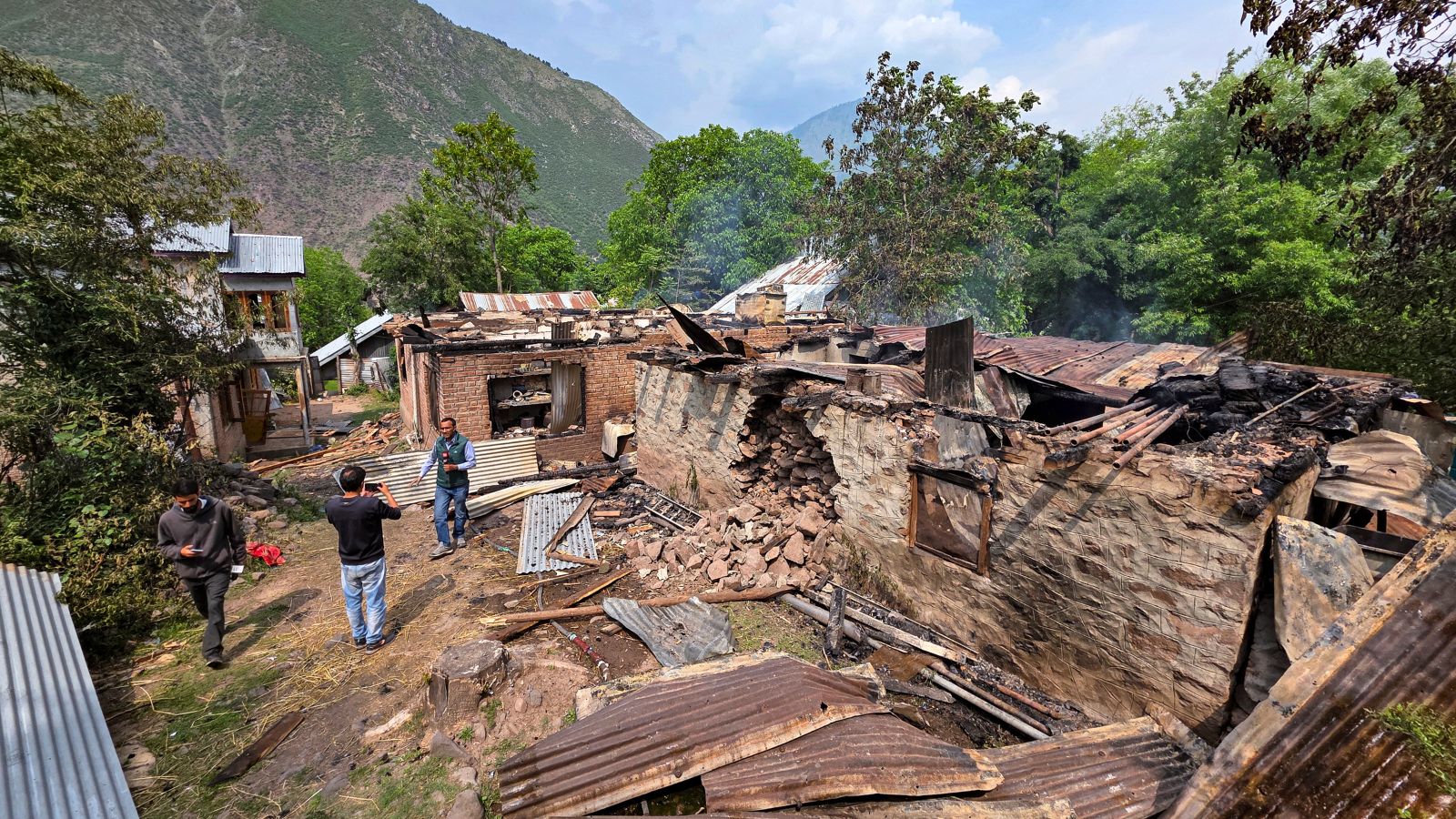
The article details a significant escalation in cross-border conflict between India and Pakistan, triggered by an Indian strike on alleged terrorist infrastructure. This event spurred a retaliatory response from Pakistan, manifesting as intense artillery shelling across the Line of Control (LoC). The immediate consequence was the tragic death of an Indian Army soldier, L/Nk Dinesh Kumar, a member of the 5 Fd Regt. This loss of life serves as a stark reminder of the human cost associated with ongoing tensions and military engagements in the region. The Indian Army, through its White Knight Corps, acknowledged the soldier's sacrifice and expressed solidarity with civilian victims. The broader impact extended beyond military personnel, as the shelling also resulted in the deaths of at least twelve civilians and injuries to forty others in the Poonch sector. This underscores the indiscriminate nature of artillery fire and its devastating effects on civilian populations residing in border areas. The geographical scope of the shelling was extensive, affecting various regions along the LoC. In the Poonch district, Krishna Ghati, Shahpur, and Mankote experienced particularly severe artillery fire. Similarly, in the Rajouri district, Laam, Manjakote, and Gambhir Brahmana were also heavily impacted. Furthermore, the conflict extended into the Kashmir Valley, with villages in the Uri sector of Baramulla and the Tangdhar sector of Kupwara coming under intense artillery fire from Pakistan. The depth of the shelling was significant, with shells landing as far as Gingal village, approximately 30 kilometers from Baramulla town. This highlights the reach and potential for widespread damage caused by artillery fire. The civilian population in these areas faced considerable danger, resulting in injuries to eleven people, primarily in Salamabad near Uri town. The intensity of the shelling prompted residents to seek shelter in bunkers, with one Uri resident describing it as the worst since the ceasefire was renewed in 2021. The damage to infrastructure was also substantial, with reports indicating that fifteen houses were damaged by the artillery fire. The article suggests that the Indian Army is responding to the shelling in a 'befitting manner,' indicating a continuation of the conflict. The escalation from small arms fire to heavy artillery signifies a dangerous shift in the nature of the cross-border engagements, raising concerns about the potential for further escalation and casualties. The increased use of artillery also demonstrates a breakdown in established protocols and a heightened willingness to employ more destructive weapons. This situation highlights the urgent need for diplomatic efforts to de-escalate tensions and prevent further loss of life and damage to property. The safety and well-being of civilians living in border areas must be prioritized, and measures taken to ensure their protection from the indiscriminate effects of artillery fire. The long-term impact of this conflict on the region's stability and security remains uncertain, but the immediate consequences are clear: loss of life, displacement, and heightened tensions between India and Pakistan.
The current situation along the LoC presents a complex challenge for both India and Pakistan. The retaliatory nature of the conflict suggests a cycle of action and reaction that is difficult to break. Each instance of cross-border firing, whether initiated by India or Pakistan, triggers a response that further escalates tensions and increases the risk of unintended consequences. The article's focus on the immediate aftermath of the shelling obscures the underlying causes of the conflict and the broader geopolitical context in which it is occurring. The dispute over Kashmir remains a central point of contention between India and Pakistan, and this territorial dispute fuels ongoing tensions and contributes to the recurrence of cross-border incidents. The presence of terrorist groups operating in the region further complicates the situation, as these groups can act as spoilers, instigating violence and undermining efforts to improve relations between India and Pakistan. The Indian government's decision to conduct strikes on alleged terrorist infrastructure within Pakistan and PoK reflects a strategy of proactive counterterrorism. However, this approach carries the risk of escalating tensions and triggering retaliatory responses. Pakistan, on the other hand, views these strikes as a violation of its sovereignty and a threat to its national security. The differing perspectives and strategic interests of India and Pakistan make it difficult to find common ground and resolve the underlying issues that fuel the conflict. The role of international actors in mediating the conflict and promoting dialogue between India and Pakistan is crucial. The United Nations and other international organizations can play a role in monitoring the situation along the LoC, facilitating communication between the two sides, and encouraging them to pursue peaceful means of resolving their disputes. The long-term stability of the region depends on the ability of India and Pakistan to overcome their historical animosities and build a relationship based on mutual respect and cooperation. This requires a willingness to address the underlying causes of the conflict, engage in meaningful dialogue, and find mutually acceptable solutions to outstanding issues. The current escalation in cross-border firing serves as a reminder of the fragility of peace in the region and the urgent need for concerted efforts to de-escalate tensions and prevent further loss of life.
The human cost of the conflict along the LoC is undeniable. The article highlights the tragic death of an Indian soldier and the loss of civilian lives as direct consequences of the shelling. Beyond these immediate casualties, the conflict has a profound impact on the lives of those living in border areas. The constant threat of shelling and firing disrupts daily life, forces people to seek shelter in bunkers, and creates a climate of fear and uncertainty. The damage to homes and infrastructure further exacerbates the suffering of the civilian population. Many people are displaced from their homes and livelihoods, and access to essential services such as healthcare and education is disrupted. The psychological impact of the conflict is also significant. Children growing up in border areas are exposed to violence and trauma, which can have long-lasting effects on their mental health and well-being. The constant fear of shelling and firing can lead to anxiety, depression, and other mental health problems. The article does not fully capture the extent of the human suffering caused by the conflict. It focuses primarily on the immediate casualties and the damage to property, but it does not delve into the long-term consequences for individuals and communities. The need for humanitarian assistance in border areas is critical. Providing shelter, food, medical care, and psychological support to those affected by the conflict is essential to alleviating their suffering and helping them to rebuild their lives. The international community has a responsibility to provide assistance and support to the affected populations. In addition to humanitarian assistance, efforts to promote peace and reconciliation are also crucial. Addressing the underlying causes of the conflict, promoting dialogue between communities, and fostering a culture of peace can help to break the cycle of violence and create a more sustainable future for the region. The voices of those affected by the conflict must be heard, and their needs and concerns must be taken into account in any efforts to resolve the situation. Only through a comprehensive approach that addresses both the immediate humanitarian needs and the long-term causes of the conflict can lasting peace and stability be achieved along the LoC.
The renewal of the ceasefire agreement in 2021 offered a glimmer of hope for reducing tensions along the LoC. However, the current escalation in cross-border firing suggests that the ceasefire has effectively broken down. The reasons for the breakdown of the ceasefire are complex and multifaceted. One factor is the continued presence of terrorist groups operating in the region, which can act as spoilers and instigate violence. Another factor is the lack of progress in resolving the underlying issues that fuel the conflict, such as the dispute over Kashmir. The absence of meaningful dialogue between India and Pakistan has also contributed to the deterioration of the situation. Without regular communication and engagement, misunderstandings and miscalculations can easily escalate into conflict. The role of the media in shaping public opinion and influencing policy decisions is also important. Sensationalist reporting and the spread of misinformation can exacerbate tensions and make it more difficult to find common ground. The challenge now is to find a way to restore the ceasefire and prevent further escalation of the conflict. This requires a concerted effort from both India and Pakistan, as well as the support of the international community. Building trust between the two sides is essential. This can be achieved through confidence-building measures, such as joint patrols along the LoC and regular communication between military commanders. Addressing the underlying causes of the conflict is also crucial. This requires a willingness to engage in meaningful dialogue and find mutually acceptable solutions to outstanding issues. The international community can play a role in facilitating dialogue and providing support for peacebuilding efforts. The alternative to restoring the ceasefire is a continued cycle of violence and escalation, with devastating consequences for the people living in border areas. The time for action is now. India and Pakistan must seize the opportunity to de-escalate tensions and work towards a more peaceful and stable future for the region. The stakes are too high to allow the conflict to continue unchecked.
The increase in artillery fire compared to small arms fire signifies a dangerous and concerning escalation in the conflict dynamics along the Line of Control. Small arms fire, while still resulting in casualties and property damage, typically involves lower-caliber weapons and localized engagements. Artillery fire, on the other hand, employs heavy weaponry capable of delivering devastating firepower over extended distances. This shift implies a willingness to employ more destructive force, targeting broader areas and posing a greater risk to both military personnel and civilian populations. The use of artillery represents a significant escalation because it can inflict widespread damage to infrastructure, including homes, schools, hospitals, and other essential facilities. The indiscriminate nature of artillery fire makes it difficult to target specific military objectives while avoiding civilian casualties. The increased range of artillery shells also means that areas previously considered relatively safe from cross-border firing are now vulnerable to attack. This can lead to the displacement of populations and the disruption of essential services. The escalation to artillery fire also suggests a breakdown in communication and a reduced willingness to exercise restraint. The use of heavy weaponry often reflects a hardening of positions and a greater willingness to take risks. This can make it more difficult to de-escalate tensions and prevent further escalation of the conflict. The increased use of artillery fire also raises concerns about the potential for miscalculation and unintended consequences. The fog of war and the complexities of the battlefield can lead to errors in targeting and assessments, resulting in unintended casualties and the escalation of the conflict. The international community must closely monitor the situation along the Line of Control and take steps to prevent further escalation. This includes urging India and Pakistan to exercise restraint, engage in dialogue, and avoid the use of heavy weaponry that could endanger civilian populations. The focus should be on de-escalating tensions and finding a peaceful resolution to the underlying issues that fuel the conflict. The use of artillery fire is a dangerous and unacceptable escalation that must be avoided at all costs.
The article mentions that officials said the Indian Army is responding to the shelling in a 'befitting manner.' This phrase is ambiguous and open to interpretation, but it likely indicates that the Indian Army is retaliating against Pakistani positions with its own artillery fire. The concept of responding in a 'befitting manner' is often used in military and diplomatic contexts to describe a proportionate response to an act of aggression or provocation. The intention is to send a clear message that aggression will not be tolerated, while also avoiding an excessive response that could further escalate the conflict. However, determining what constitutes a 'befitting' response is often subjective and can depend on a variety of factors, including the specific circumstances of the incident, the strategic objectives of the parties involved, and the political considerations at play. In the context of the current situation along the Line of Control, a 'befitting' response could involve targeting Pakistani artillery positions with counter-battery fire, conducting offensive operations to disrupt Pakistani military activities, or engaging in diplomatic efforts to pressure Pakistan to de-escalate the conflict. The choice of response will likely depend on a careful assessment of the risks and benefits of each option. The Indian Army will also need to consider the potential for civilian casualties and the impact on the broader political and security situation. The use of the phrase 'befitting manner' also raises questions about the potential for escalation. If the Indian Army's response is perceived as excessive or disproportionate, it could trigger a retaliatory response from Pakistan, leading to a further escalation of the conflict. Therefore, it is important for India to exercise restraint and ensure that its response is carefully calibrated to achieve its objectives without unnecessarily escalating the situation. The international community should also encourage both India and Pakistan to exercise restraint and avoid taking actions that could further escalate the conflict. The focus should be on de-escalating tensions and finding a peaceful resolution to the underlying issues that fuel the conflict.
The reference to the renewal of the ceasefire agreement in 2021 provides a crucial historical context for understanding the current escalation along the Line of Control. Ceasefire agreements are typically intended to reduce violence and create an environment conducive to dialogue and negotiations. The fact that a ceasefire agreement was in place as recently as 2021 suggests that there was a previous period of relative calm along the Line of Control. The renewal of the agreement indicates a commitment from both India and Pakistan to reducing tensions and preventing further escalation of the conflict. However, the current escalation demonstrates that the ceasefire agreement has not been fully effective in preventing cross-border firing and violence. The reasons for the breakdown of the ceasefire are complex and multifaceted, as discussed in previous sections. However, the fact that the ceasefire agreement has broken down highlights the fragility of peace along the Line of Control and the challenges of maintaining stability in the region. The reference to the ceasefire agreement also raises questions about the potential for restoring the ceasefire. If the agreement has broken down, is it possible to revive it or negotiate a new agreement that is more effective in preventing violence? The answer to this question will depend on a variety of factors, including the willingness of India and Pakistan to engage in dialogue, the progress in resolving the underlying issues that fuel the conflict, and the role of the international community in facilitating peace efforts. Restoring the ceasefire would be a significant step towards de-escalating tensions and preventing further loss of life. It would also create a more favorable environment for dialogue and negotiations aimed at resolving the underlying issues that fuel the conflict. The international community should encourage both India and Pakistan to prioritize the restoration of the ceasefire and to work together to create a more stable and peaceful future for the region.
Source: Day of intense shelling by Pakistan ends in news of soldier’s death