
 |
|
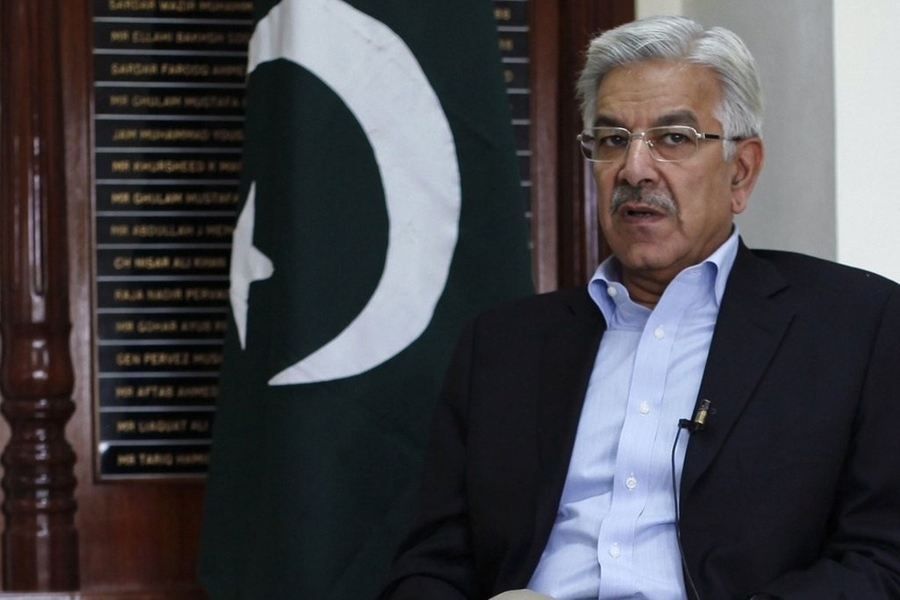
The article details a complex situation involving Pakistan, India, and the United States, centered around the potential use of nuclear weapons as a strategic tool. The initial reports of Pakistan convening a meeting of its National Command Authority (NCA), the body responsible for operational decisions regarding its nuclear arsenal, immediately raised international concerns. This action, regardless of its actual intent, was perceived as a significant escalation in the already tense relationship between Pakistan and India. The timing of the alleged NCA meeting is crucial. It occurred in the wake of the Pahalgama terror attack and India’s subsequent Operation Sindoor, which targeted terror infrastructure in Pakistan and Pak-Occupied Jammu and Kashmir (PoJK). These events significantly heightened tensions and created a volatile environment where miscalculations could have devastating consequences. The reported NCA meeting, therefore, signaled a potential shift in Pakistan's strategic posture, possibly indicating a willingness to consider the nuclear option as a response to India's actions. However, the rapid retraction of the announcement and the subsequent denial by Defence Minister Khawaja Asif suggest that the Pakistani leadership recognized the gravity of the situation and the potential for international condemnation. The intervention of the United States, specifically through phone conversations between Secretary of State Marco Rubio and key Pakistani and Indian officials, appears to have played a critical role in de-escalating the situation. Rubio's engagement with both Pakistan Army Chief General Asim Munir and Foreign Minister Ishaq Dar, as well as his outreach to India’s External Affairs Minister S Jaishankar, highlights the US's concern over the escalating tensions and its commitment to preventing a nuclear conflict in the region. The Defence Minister's statement to Geo News, while denying the NCA meeting, also included a cautionary note about the potential for wider destruction, further underscoring the seriousness of the situation. He argued that India's actions were reducing Pakistan's options, implicitly suggesting that the nuclear option remained a possibility, albeit a last resort. This statement, while intended to deter further escalation by India, also serves as a reminder of the ever-present danger of nuclear conflict in the region. The article also mentions Prime Minister Shehbaz Sharif's consultations with key political leaders within Pakistan, indicating a coordinated effort to manage the crisis and present a unified front. This internal communication is essential for maintaining stability and preventing any further missteps that could exacerbate the situation. The reference to Pakistan's past use of the nuclear bogey as strategic leverage is also significant. It highlights a recurring pattern in Pakistan's foreign policy, where the threat of nuclear escalation is used to deter India and garner international attention. However, this strategy carries significant risks, as it can easily backfire and lead to unintended consequences. The article paints a picture of a highly precarious situation where the threat of nuclear conflict looms large. The interplay between Pakistan, India, and the United States is crucial in managing this crisis and preventing it from spiraling out of control. The US, as a major global power, has a responsibility to mediate between the two countries and ensure that they adhere to international norms regarding nuclear weapons. The long-term solution to this conflict lies in addressing the underlying causes of the tensions between Pakistan and India, including cross-border terrorism, territorial disputes, and mutual distrust. Without addressing these issues, the threat of nuclear conflict will continue to hang over the region. The article raises serious questions about the stability of the region and the potential for a catastrophic conflict. It serves as a reminder of the urgent need for diplomacy and de-escalation.
The sequence of events described in the article reveals a delicate dance of diplomacy and deterrence. Pakistan's initial announcement of the NCA meeting, followed by its subsequent retraction, suggests a calculated move aimed at sending a strong signal to both India and the international community. The timing of the announcement, coinciding with heightened tensions following the Pahalgama attack and Operation Sindoor, indicates that Pakistan sought to leverage its nuclear capabilities as a deterrent against further Indian aggression. However, the swift and decisive intervention of the United States, through direct communication with key Pakistani officials, suggests that the US viewed Pakistan's actions as unnecessarily provocative and potentially destabilizing. The US intervention highlights its role as a key player in the region and its commitment to preventing nuclear proliferation. The fact that Secretary of State Rubio also reached out to India's External Affairs Minister Jaishankar indicates that the US was equally concerned about India's response to the situation and sought to ensure that India did not overreact. The Defence Minister's statement to Geo News, while seemingly aimed at de-escalating the situation, also contained a veiled threat about the potential for wider destruction. This statement suggests that Pakistan remains committed to using its nuclear capabilities as a deterrent, but is also aware of the catastrophic consequences of nuclear conflict. The Prime Minister's consultations with key political leaders within Pakistan suggest a concerted effort to manage the crisis and present a unified front. This internal coordination is crucial for ensuring that Pakistan's actions are perceived as rational and measured, rather than impulsive or reckless. The article's reference to Pakistan's past use of the nuclear bogey as strategic leverage is significant, as it provides context for understanding Pakistan's current behavior. Pakistan has a long history of using its nuclear capabilities to deter India and garner international attention. However, this strategy carries significant risks, as it can easily backfire and lead to unintended consequences. The article raises important questions about the effectiveness of nuclear deterrence in preventing conflict. While nuclear weapons may deter a direct attack, they do not necessarily prevent lower-level conflicts, such as cross-border terrorism and proxy wars. In fact, nuclear deterrence may even encourage such conflicts, as states may feel emboldened to engage in risky behavior under the assumption that nuclear weapons will prevent a full-scale war. The article also highlights the importance of communication and transparency in managing nuclear crises. Misunderstandings and miscalculations can easily escalate tensions and lead to unintended consequences. Clear and open communication between all parties is essential for preventing such misunderstandings and ensuring that all sides are aware of the risks involved. The article concludes by emphasizing the need for diplomacy and de-escalation. The long-term solution to the conflict between Pakistan and India lies in addressing the underlying causes of the tensions, including cross-border terrorism, territorial disputes, and mutual distrust. Without addressing these issues, the threat of nuclear conflict will continue to hang over the region.
The geopolitical dynamics illustrated in the article underscore the precarious nature of the relationship between Pakistan and India, particularly in the context of nuclear weapons. Pakistan's initial signaling, through the media reports of the NCA meeting, can be interpreted as a form of coercive diplomacy. This tactic aims to influence the behavior of another state (in this case, India) by creating the impression that the actor (Pakistan) is willing to take actions that could have severe consequences. The rapid backtracking, however, suggests that the intended message was either misinterpreted or that the international pressure, primarily from the US, was too significant to ignore. The role of the United States as a mediator and a global power is crucial in this scenario. The US's ability to exert diplomatic pressure on both Pakistan and India demonstrates its continued influence in the region. The fact that the US Secretary of State directly contacted key officials in both countries highlights the gravity of the situation and the US's determination to prevent further escalation. The article also touches upon the concept of nuclear ambiguity. While Pakistan has openly declared its nuclear capabilities, its exact operational procedures and thresholds for use remain somewhat unclear. This ambiguity is often intentional, as it adds to the deterrent effect of nuclear weapons. However, it also increases the risk of miscalculation and accidental escalation. The Defence Minister's cautionary note about the potential for wider destruction can be seen as an attempt to reinforce this ambiguity, while also signaling Pakistan's willingness to retaliate in the event of a perceived existential threat. The internal consultations within the Pakistani government highlight the importance of domestic political considerations in foreign policy decision-making. The Prime Minister's need to brief key political leaders suggests that there may be differing opinions within the government on how to handle the crisis. This internal debate can further complicate the decision-making process and make it more difficult to predict Pakistan's actions. The historical context of Pakistan's use of the nuclear bogey as strategic leverage is essential for understanding the current situation. Pakistan's past behavior suggests that it is willing to use the threat of nuclear escalation to achieve its foreign policy objectives. However, this strategy has become increasingly risky, as the international community has become more sensitive to the dangers of nuclear proliferation. The article raises fundamental questions about the future of nuclear deterrence in South Asia. The ongoing tensions between Pakistan and India, coupled with the increasing sophistication of their nuclear arsenals, create a volatile situation that could easily spiral out of control. The need for a renewed commitment to arms control and disarmament is more urgent than ever. The article serves as a stark reminder of the ever-present danger of nuclear conflict and the urgent need for diplomacy, de-escalation, and a long-term solution to the underlying causes of the tensions between Pakistan and India.
Analyzing the article reveals several layers of strategic communication and political maneuvering. The initial report of the NCA meeting can be viewed as a signal intended to convey resolve and deter further Indian action. It served as a warning, highlighting the potential consequences of escalating the conflict. However, the subsequent denial indicates a reassessment of this strategy, possibly due to concerns about international repercussions or a recognition that the signal was too aggressive. The United States' role in this situation is critical. Its intervention demonstrates its commitment to maintaining stability in the region and preventing nuclear proliferation. The US's ability to engage with both Pakistan and India highlights its unique position as a global power with strong relationships with both countries. The phone calls from Secretary of State Rubio served as a direct and immediate form of diplomatic pressure, urging restraint and de-escalation. The Defence Minister's statement, while officially denying the NCA meeting, also included a cautionary note about the potential for wider destruction. This statement is a nuanced form of communication, aiming to deter India while simultaneously reassuring the international community that Pakistan is not actively seeking nuclear conflict. The Prime Minister's consultations with key political leaders underscore the importance of domestic consensus in foreign policy decision-making. Securing internal support is crucial for maintaining stability and ensuring that any actions taken are perceived as legitimate. The article's reference to Pakistan's past use of the nuclear bogey highlights a pattern of behavior. This pattern suggests that Pakistan has historically been willing to use the threat of nuclear escalation to achieve its foreign policy objectives. However, this strategy is fraught with risk and can easily backfire. The events described in the article also raise questions about the reliability of media reporting. The initial reports of the NCA meeting were later denied, suggesting that the information may have been inaccurate or premature. This highlights the importance of verifying information and being cautious about drawing conclusions based on initial reports. The article serves as a case study in crisis management and diplomatic intervention. It demonstrates the complexities of managing a nuclear-armed rivalry and the importance of communication, transparency, and a commitment to de-escalation. The long-term solution requires addressing the underlying causes of the conflict, including cross-border terrorism, territorial disputes, and mutual distrust. Without addressing these issues, the threat of nuclear conflict will continue to loom over the region. The situation highlights the interconnectedness of global politics and the importance of international cooperation in preventing catastrophic events.
Source: Pakistan Calls National Command Authority Meeting, Later Backtracks After US Calls