
 |
|
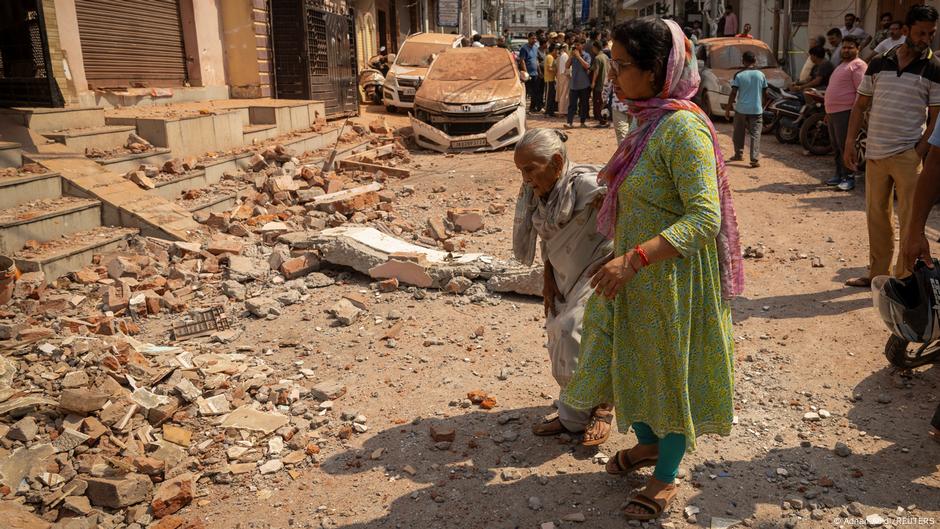
The escalating tensions between Pakistan and India have once again reached a critical point, as Pakistan accuses India of initiating overnight shelling that resulted in the tragic loss of eleven civilian lives in the Kashmir region. This incident, reported by the Information Minister for Pakistan-administered Kashmir, highlights the persistent volatility along the Line of Control (LoC), the de facto border separating the two nations in the disputed territory. The alleged shelling, impacting multiple locations, is a grim reminder of the human cost of this enduring conflict, which has spanned decades and continues to be a major source of instability in the region. The Information Minister's statement, relayed to AFP news agency, detailed the devastating impact of the reported attacks, specifying the loss of innocent lives, including a child and four women, along with numerous injuries. The inability to independently verify these figures underscores the challenges of reporting from conflict zones, where access is often restricted and objectivity can be compromised by national interests and security concerns. The immediate aftermath of such events is typically marked by heightened security measures, increased military presence, and a surge of propaganda from both sides, making it exceedingly difficult to ascertain the truth amidst the swirling claims and counter-claims. The fragile ceasefire agreements that have been periodically established in the past have often been shattered by sporadic clashes and escalations, reflecting the deep-seated distrust and animosity that continue to fuel the conflict. The Kashmir issue remains a complex and multifaceted problem, rooted in historical grievances, territorial disputes, and religious tensions. It represents a persistent challenge to regional peace and security, frequently drawing international attention and mediation efforts. The international community has consistently urged both India and Pakistan to engage in meaningful dialogue to resolve their differences and find a peaceful solution to the Kashmir dispute. However, progress has been limited, and the situation remains fraught with the risk of further escalation.
The history of the Kashmir conflict is deeply intertwined with the partition of India in 1947, when the princely state of Jammu and Kashmir was granted the option to accede to either India or Pakistan. The Hindu ruler of the state initially hesitated, but ultimately chose to join India, a decision that triggered the first Indo-Pakistani War. The conflict resulted in the division of the state, with India controlling approximately 65% of the territory and Pakistan controlling the remaining 35%. This division has remained largely unchanged, despite subsequent wars and numerous attempts at negotiation. The LoC, established after the 1971 war, serves as the de facto border and has been the site of frequent clashes and skirmishes. The conflict is further complicated by the presence of various militant groups operating in the region, some of whom seek independence from both India and Pakistan, while others advocate for integration with Pakistan. These groups have been accused of carrying out acts of terrorism and violence against civilians, further exacerbating the tensions and instability in the region. India has accused Pakistan of supporting and sponsoring these militant groups, allegations that Pakistan vehemently denies. The human rights situation in Kashmir has also been a source of concern, with reports of abuses by both Indian security forces and militant groups. The imposition of curfews, restrictions on movement, and communication blackouts have further limited access to information and contributed to a climate of fear and uncertainty. The local population has borne the brunt of the conflict, facing displacement, loss of livelihood, and the constant threat of violence.
The implications of the recent reported shelling extend beyond the immediate loss of life and injuries. Such incidents often lead to a further breakdown in relations between India and Pakistan, hindering any prospects for dialogue and cooperation on other issues. The two countries have a long history of mutual distrust and suspicion, fueled by territorial disputes, cross-border terrorism, and nuclear proliferation concerns. The potential for escalation to a larger conflict, possibly involving nuclear weapons, remains a serious concern for the international community. The role of international actors, such as the United Nations, the United States, and China, is crucial in de-escalating tensions and promoting a peaceful resolution to the Kashmir dispute. These actors can exert diplomatic pressure on both India and Pakistan to engage in dialogue, implement confidence-building measures, and respect human rights. They can also provide humanitarian assistance to the affected population and support efforts to promote reconciliation and peacebuilding. However, the effectiveness of international intervention is often limited by the lack of political will on the part of the parties involved and the complexities of the geopolitical landscape. The Kashmir conflict is not just a bilateral issue between India and Pakistan; it is also deeply intertwined with regional and global dynamics. The involvement of other actors, such as China and Afghanistan, adds further layers of complexity to the situation. The long-term solution to the Kashmir dispute requires a comprehensive approach that addresses the underlying causes of the conflict, promotes dialogue and reconciliation, and respects the rights and aspirations of the Kashmiri people.
Furthermore, the information vacuum surrounding the incident exacerbates the situation. The inability of independent sources to verify the claims made by the Pakistani Information Minister contributes to the spread of misinformation and propaganda. Both India and Pakistan have a history of using information warfare to shape public opinion and advance their respective narratives. In the absence of reliable information, it becomes increasingly difficult to discern the truth and hold those responsible for the violence accountable. The media plays a crucial role in reporting on the conflict, but it often faces challenges in accessing information and maintaining objectivity. Journalists are often subjected to harassment, intimidation, and even violence, making it difficult for them to report freely and accurately. Social media has also become a significant source of information, but it is often rife with misinformation and hate speech. The spread of fake news and propaganda can further inflame tensions and undermine efforts to promote peace and reconciliation. It is essential to promote media literacy and critical thinking skills to enable people to discern the truth from falsehood and resist manipulation. The role of civil society organizations in promoting dialogue and reconciliation is also crucial. These organizations can provide a platform for people from different backgrounds to come together and share their perspectives. They can also work to promote human rights, advocate for policy changes, and provide support to victims of violence. However, civil society organizations often face challenges in operating in conflict zones, where they may be subjected to government restrictions and threats from militant groups. The international community should support the work of civil society organizations and ensure that they have the resources and protection they need to operate effectively.
The future of Kashmir remains uncertain, but it is clear that the status quo is unsustainable. The conflict has caused immense suffering to the Kashmiri people and has contributed to instability in the region. A lasting solution requires a commitment from both India and Pakistan to engage in meaningful dialogue and address the underlying causes of the conflict. It also requires a recognition of the rights and aspirations of the Kashmiri people. There are various possible solutions to the Kashmir dispute, ranging from independence to integration with either India or Pakistan. Each of these options has its own challenges and opportunities. Independence, for example, may be difficult to achieve due to the opposition of both India and Pakistan. Integration with either country may not be acceptable to all segments of the Kashmiri population. A possible compromise could be a form of autonomy that allows Kashmiris to govern themselves while remaining within the framework of either India or Pakistan. However, any solution must be based on the principles of self-determination, human rights, and the rule of law. The international community has a responsibility to support the search for a peaceful and just solution to the Kashmir dispute. This requires a commitment to diplomacy, mediation, and the protection of human rights. It also requires a willingness to hold both India and Pakistan accountable for their actions. The Kashmir conflict is a complex and multifaceted problem with no easy solutions. However, with a renewed commitment to dialogue, cooperation, and respect for human rights, it is possible to achieve a lasting peace in the region.
The ongoing cycle of violence and accusations underscores the urgent need for de-escalation and a renewed focus on diplomatic solutions. The immediate priority must be to ensure the safety and security of civilians living along the LoC, who are disproportionately affected by the conflict. Humanitarian aid should be provided to those who have been displaced or injured, and efforts should be made to prevent further loss of life. In the longer term, it is essential to address the root causes of the conflict and create an environment conducive to peace and reconciliation. This requires a comprehensive approach that includes political dialogue, economic development, and social justice. The international community can play a crucial role in supporting these efforts by providing technical assistance, financial resources, and diplomatic support. It is also important to promote cultural exchange and people-to-people contacts to build trust and understanding between communities. The Kashmir conflict is a tragedy that has lasted for far too long. It is time for all parties involved to put aside their differences and work together to build a future of peace and prosperity for the Kashmiri people. The world is watching, and the future of the region depends on it.
Furthermore, the timing of this alleged incident is particularly sensitive. Occurring shortly before or during any planned or ongoing diplomatic engagements between India and Pakistan, these events often serve to undermine trust and create further obstacles to progress. The cycle of accusation and denial can be particularly damaging to any potential for negotiation, as each side becomes entrenched in its own position. The use of international forums to air grievances and seek support can also exacerbate tensions, particularly when the narratives presented are conflicting and emotionally charged. The role of non-state actors in fueling the conflict should not be underestimated. Militant groups operating in the region often have their own agendas, which may not align with the interests of either India or Pakistan. These groups can exploit the existing tensions to carry out attacks and destabilize the region. It is essential to address the root causes of extremism and terrorism and to prevent these groups from operating with impunity. This requires a multi-faceted approach that includes law enforcement, counter-terrorism measures, and efforts to address the social and economic factors that contribute to radicalization. The international community can play a crucial role in supporting these efforts by providing technical assistance, intelligence sharing, and training to law enforcement agencies.
Moreover, the lack of transparency surrounding military operations along the LoC contributes to the climate of mistrust and suspicion. Both India and Pakistan should consider implementing confidence-building measures, such as establishing a hotline for communication between military commanders and agreeing to independent monitoring of the ceasefire. These measures would help to prevent accidental escalations and build trust between the two sides. The role of the media in shaping public opinion on the Kashmir conflict cannot be overstated. The media has a responsibility to report on the conflict accurately and objectively, avoiding sensationalism and the spread of misinformation. It is also important to provide a platform for diverse voices and perspectives, including those of the Kashmiri people. The international community should support efforts to promote media freedom and to protect journalists from harassment and intimidation. The Kashmir conflict is a complex and deeply rooted problem, but it is not insurmountable. With a renewed commitment to dialogue, cooperation, and respect for human rights, it is possible to achieve a lasting peace in the region. The future of Kashmir depends on it.
In conclusion, the reported shelling incident along the Line of Control in Kashmir underscores the persistent fragility of the region and the urgent need for de-escalation and peaceful resolution. The loss of civilian lives is a tragedy that highlights the human cost of the ongoing conflict. A comprehensive approach that addresses the underlying causes of the conflict, promotes dialogue and reconciliation, and respects the rights and aspirations of the Kashmiri people is essential. The international community must remain engaged and committed to supporting these efforts, urging both India and Pakistan to prioritize peace and stability in the region. The long-term solution requires a fundamental shift in mindset, away from confrontation and towards cooperation. It requires a recognition that the future of Kashmir is inextricably linked to the future of India and Pakistan, and that a peaceful and prosperous region is in the best interests of all. The time for action is now, before further lives are lost and the conflict spirals out of control.
Source: Pakistan launches missiles after saying India targeted bases – DW – 05