
 |
|
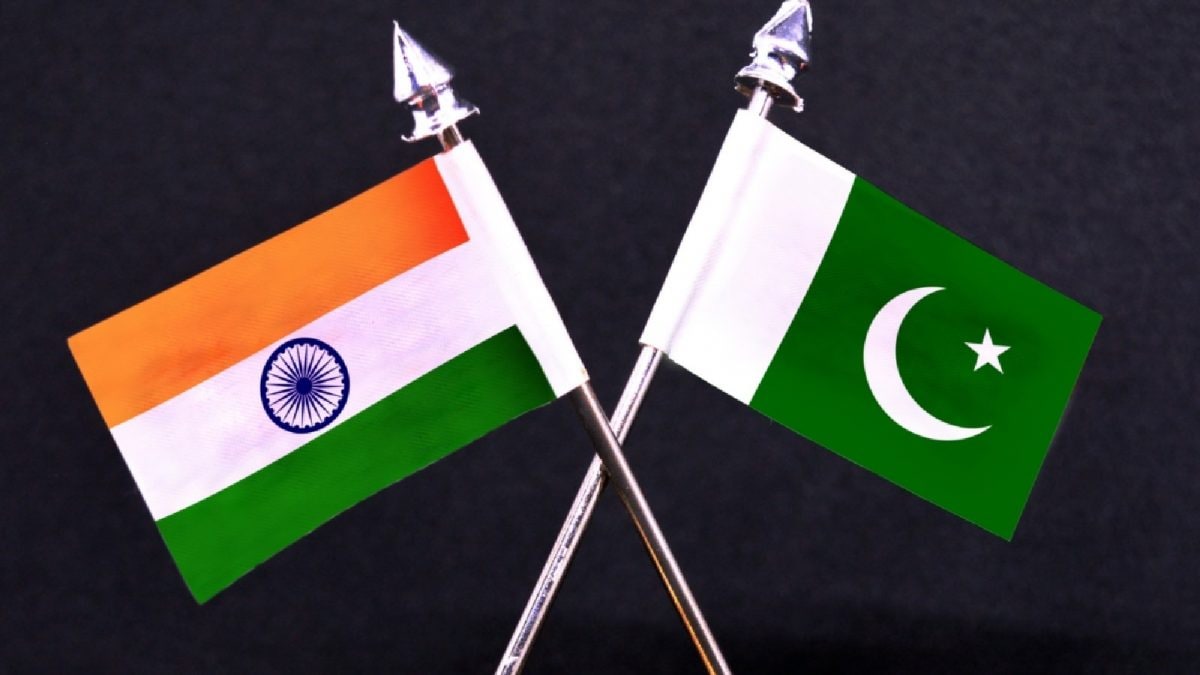
The article details the recent communication between Pakistan and India, initiated by Pakistan, seeking de-escalation amidst heightened tensions. This follows reported Indian actions that neutralized the Lahore air defense system. The core focus of the article then shifts to the critical role played by the Directors General of Military Operations (DGMOs) in such precarious scenarios. The DGMOs are the senior military officers tasked with managing operational and strategic issues related to military activities, making them the primary point of contact for communication aimed at preventing escalation, clarifying intentions, and addressing immediate concerns. The establishment of contact between the DGMOs of India and Pakistan signals a potential shift in Pakistan's stance, suggesting an acknowledgment of the gravity of the current situation and a desire to explore a diplomatic path towards de-escalation. However, there has been no official confirmation from either side, leaving the situation delicately poised. The article highlights a high-ranking source indicating that India's response to Pakistan's attacks has been disproportionately stronger, resulting in the neutralization of critical targets along the International Border and the Line of Control for strategic reasons, while India's losses have been minimal, except for the loss of an administrative services officer in Rajouri. The DGMO plays a crucial role in formulating strategies and plans for military operations, overseeing and coordinating various aspects of military activities, including combat, counter-insurgency, and peacekeeping missions. The DGMO is responsible for ensuring the operational readiness and effective deployment of forces, acting as a liaison between different branches of the armed forces (army, navy, air force) and other agencies for joint operations. Furthermore, the DGMO coordinates with intelligence agencies to integrate actionable intelligence into operational plans, strengthening the overall operational effectiveness of the military. In the specific context of India, the DGMO manages sensitive border issues, which includes maintaining ceasefire agreements and addressing cross-border tensions. Therefore, it is logical that these senior military personnel are the first point of contact in times of heightened tension, due to their unique position to address military and strategic concerns.
The article elaborates on the specific reasons why DGMOs are typically the first point of contact between nations during periods of heightened tension or conflict. They possess real-time knowledge of their military's activities, making them ideally suited to address operational misunderstandings or violations. For example, ceasefire breaches or cross-border incidents can be efficiently handled at this level. Their seniority, often holding the rank of Lieutenant General or equivalent, empowers them to issue operational directives to field commanders, facilitating rapid de-escalation when required. In the specific context of India and Pakistan, pre-existing mechanisms such as hotlines and regular talks between DGMOs are in place to manage border tensions, establishing a framework for communication. These established channels for contact are often used in times of crisis. The focus of DGMOs on military and operational matters allows them to address technical issues, such as troop movements and artillery fire, without being unduly influenced by political or diplomatic sensitivities. This is critical in the initial stages of conflict resolution to ensure a clear understanding of the military situation on the ground. Moreover, DGMOs traditionally serve as the primary military-to-military contact point, fostering a degree of professional trust even amidst adversarial relations. Regular DGMO-level talks, even during peacetime, reinforce this channel as a reliable first step for communication in times of crisis. These regular meetings help cultivate an understanding of procedure and create a basis for communication when trust between the nations is damaged.
Finally, the article underlines the DGMOs' direct reporting line to their respective Chiefs of Army Staff and their access to top government leadership. This ensures they can swiftly relay critical information and make decisions, ensuring alignment between operational and strategic responses. This immediate access to high levels of leadership enables a fast reaction to escalations in conflict, helping to de-escalate the situation. The article serves as an analysis of the DGMO's critical role in managing potential conflicts between India and Pakistan, highlighting their unique position to facilitate de-escalation through direct communication and operational expertise. The reliance on established communication channels and the ability to rapidly address military issues contribute significantly to preventing further escalation in the region. The situation remains delicately balanced, with ongoing tensions and unconfirmed reports, underscoring the continued importance of the DGMO's role in navigating this complex geopolitical landscape. The fact that the news outlet is reporting this suggests the importance of military de-escalation at this point in time.
Source: As Pakistan Reaches Out To India For De-Escalation, What’s The Role Of DGMO In Such Scenarios?