
 |
|
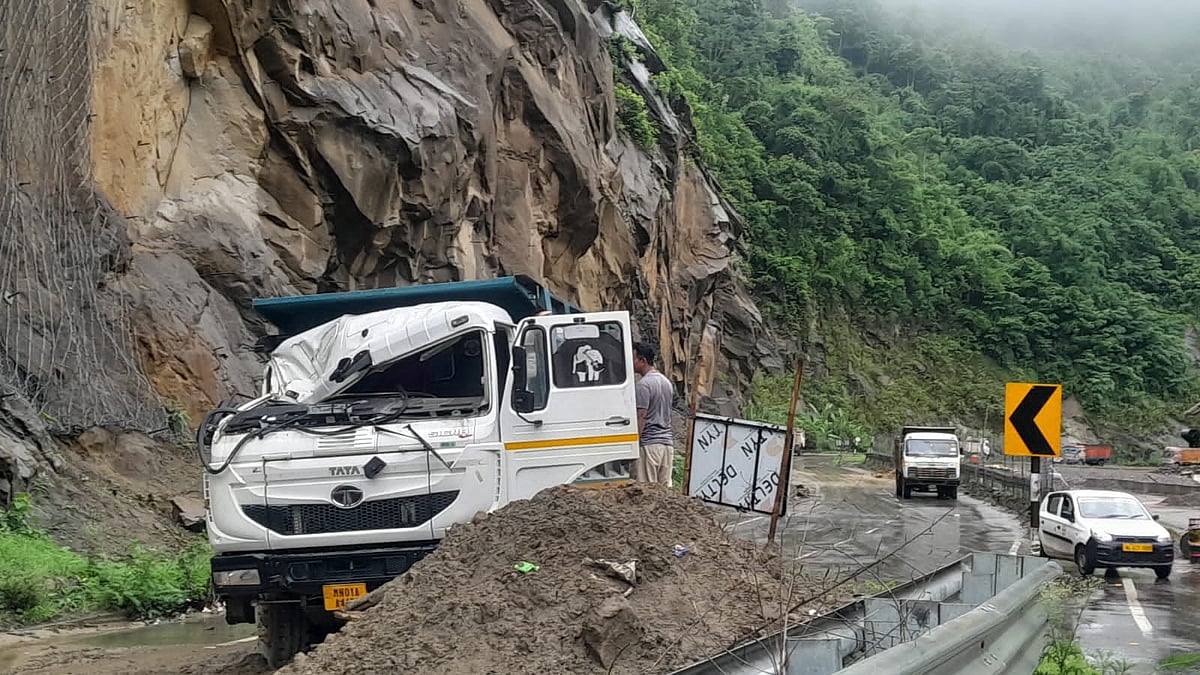
The torrential monsoon rains that recently swept across parts of Northeast India serve as a stark reminder of the power of nature and the vulnerability of human settlements to extreme weather events. The immediate consequences were tragic: two lives lost, one in Mizoram due to a retaining wall collapse and another in Nagaland when a rock fell on a truck. Beyond these immediate fatalities, the widespread disruption caused by the rains—flooded streets, closed schools, and activated emergency protocols—underscores the broader societal impacts of increasingly frequent and intense weather patterns. These events are not isolated incidents; they are part of a larger pattern of climate change-related disasters that are becoming increasingly common around the world, demanding a more comprehensive and proactive approach to disaster preparedness and mitigation. The geographical characteristics of Northeast India, with its hilly terrain and heavy rainfall, make it particularly susceptible to landslides and floods. The monsoon season, while essential for agriculture and water resources, also brings with it the threat of widespread devastation. The collapse of the retaining wall in Aizawl highlights the importance of infrastructure maintenance and construction standards in vulnerable areas. Improperly designed or maintained infrastructure can exacerbate the impact of heavy rainfall, leading to structural failures and loss of life. The disruption to vehicular traffic in Aizawl further illustrates the cascading effects of such events, impacting transportation, commerce, and daily life. The closure of educational institutions in Mizoram, while a necessary safety precaution, also has broader implications for education and the well-being of students. Prolonged closures can disrupt learning schedules and create challenges for students, especially those from disadvantaged backgrounds. The death of the truck driver in Nagaland underscores the risks faced by those who rely on transportation infrastructure for their livelihoods. The Dimapur-Kohima road, a crucial lifeline for the region, became a site of tragedy due to the rockfall, highlighting the need for regular inspections and maintenance of roadways prone to landslides. The inundation of several localities in Guwahati, Assam, brought normal life to a standstill, demonstrating the urban vulnerability to flooding. Rapid urbanization, inadequate drainage systems, and encroachment on natural water bodies contribute to the increased risk of urban flooding, disrupting essential services and causing economic losses. The India Meteorological Department's prediction of heavy to very heavy rainfall further exacerbated the situation, prompting state governments to issue precautionary advisories to the public. These advisories are crucial for raising awareness and enabling communities to take necessary steps to protect themselves and their property. However, the effectiveness of these advisories depends on effective communication channels, community preparedness, and the availability of resources to respond to emergencies. The events in Northeast India also highlight the need for improved disaster management strategies, including early warning systems, evacuation plans, and emergency response teams. Investing in these measures can significantly reduce the impact of natural disasters and save lives. Furthermore, long-term solutions are needed to address the underlying causes of vulnerability to climate change, such as deforestation, unsustainable land use practices, and inadequate infrastructure. Promoting sustainable development practices, investing in climate-resilient infrastructure, and empowering local communities to adapt to climate change are essential for building a more resilient future. The need for climate action is now more urgent than ever. The increasing frequency and intensity of extreme weather events, such as the monsoon rains in Northeast India, are a clear indication of the devastating consequences of climate change. Governments, businesses, and individuals must work together to reduce greenhouse gas emissions, transition to a low-carbon economy, and build a more sustainable and equitable world. The lessons learned from the recent events in Northeast India should serve as a catalyst for action, inspiring us to address the challenges of climate change and build a more resilient future for all. This requires a multi-faceted approach that includes investing in disaster preparedness, promoting sustainable development, and addressing the underlying causes of climate change. Furthermore, it is crucial to foster a sense of community and solidarity, ensuring that those affected by natural disasters receive the support they need to rebuild their lives. By working together, we can create a more resilient and sustainable future, where communities are better prepared to face the challenges of a changing climate. The human cost of these events cannot be overstated. The loss of life and the disruption to daily life are devastating for those affected. It is imperative that we learn from these tragedies and take steps to prevent them from happening again. This includes investing in infrastructure, improving disaster preparedness, and addressing the underlying causes of climate change. The events in Northeast India serve as a stark reminder of the challenges we face in a changing climate. But they also offer an opportunity to learn, adapt, and build a more resilient future. By working together, we can create a world where communities are better prepared to face the challenges of climate change and where the human cost of natural disasters is minimized. The focus should be on proactive measures rather than reactive responses, prioritizing prevention and preparedness over simply responding to disasters after they occur. This requires a shift in mindset and a commitment to investing in long-term solutions that address the root causes of vulnerability. Furthermore, it is essential to engage local communities in the planning and implementation of disaster management strategies, ensuring that their voices are heard and their needs are met. By empowering communities to take ownership of their own resilience, we can create a more sustainable and equitable future for all. The need for international cooperation is also crucial in addressing the challenges of climate change and disaster risk reduction. Developed countries have a responsibility to provide financial and technical assistance to developing countries to help them adapt to climate change and build their resilience to natural disasters. Furthermore, international collaboration is essential for sharing knowledge and best practices in disaster management, ensuring that all countries have access to the resources and expertise they need to protect their citizens. In conclusion, the recent events in Northeast India highlight the urgent need for action to address the challenges of climate change and disaster risk reduction. By investing in disaster preparedness, promoting sustainable development, and addressing the underlying causes of climate change, we can create a more resilient and sustainable future for all. The lessons learned from these tragedies should serve as a catalyst for action, inspiring us to work together to build a world where communities are better prepared to face the challenges of a changing climate and where the human cost of natural disasters is minimized. The time for action is now, and we must seize this opportunity to create a better future for generations to come. We must acknowledge that climate change is not just an environmental issue, but also a social, economic, and political issue. It requires a holistic approach that addresses the interconnected challenges of poverty, inequality, and environmental degradation. By promoting sustainable development and social justice, we can create a more equitable and resilient world where all communities have the opportunity to thrive in the face of climate change.
The recurring nature of these monsoon-related disasters necessitates a deeper investigation into the underlying causes that exacerbate their impact. While heavy rainfall is a natural phenomenon in the region, factors such as deforestation, unplanned urbanization, and inadequate infrastructure contribute significantly to the increased vulnerability of communities. Deforestation, driven by logging and agricultural expansion, reduces the capacity of the land to absorb rainwater, leading to increased surface runoff and soil erosion. This, in turn, increases the risk of landslides and floods. Unplanned urbanization, characterized by the construction of buildings and roads without proper drainage systems, further exacerbates the problem by increasing impervious surfaces and impeding the natural flow of water. Inadequate infrastructure, such as poorly maintained roads and bridges, can also contribute to the severity of disasters by hindering evacuation efforts and disrupting the delivery of emergency services. Addressing these underlying causes requires a multi-pronged approach that involves sustainable land management practices, urban planning, and infrastructure development. Sustainable land management practices, such as afforestation and soil conservation, can help to restore the natural capacity of the land to absorb rainwater and reduce the risk of landslides and floods. Urban planning should prioritize the development of green spaces, efficient drainage systems, and climate-resilient infrastructure. Infrastructure development should focus on the construction and maintenance of roads, bridges, and other essential infrastructure that can withstand the impacts of extreme weather events. Furthermore, it is crucial to promote community participation in disaster risk reduction efforts. Local communities are often the first responders in the aftermath of a disaster, and their knowledge and experience can be invaluable in developing effective disaster management strategies. By empowering communities to take ownership of their own resilience, we can create a more sustainable and equitable future for all. The role of technology in disaster management is also becoming increasingly important. Early warning systems, based on weather forecasts and satellite imagery, can provide timely alerts to communities at risk, allowing them to take necessary precautions. Geographic information systems (GIS) can be used to map vulnerable areas and plan evacuation routes. Mobile technology can be used to disseminate information and coordinate relief efforts. By leveraging the power of technology, we can improve our ability to predict, prepare for, and respond to natural disasters. However, technology alone is not enough. It is essential to ensure that technology is accessible and affordable to all communities, regardless of their socioeconomic status. Furthermore, it is crucial to train local communities in the use of technology so that they can effectively participate in disaster management efforts. The events in Northeast India also highlight the importance of addressing the socioeconomic vulnerabilities that make some communities more susceptible to the impacts of natural disasters. Poverty, inequality, and lack of access to essential services can all increase vulnerability to disasters. For example, communities living in informal settlements are often located in areas that are prone to flooding or landslides, and they may lack the resources to evacuate or rebuild their homes after a disaster. Addressing these socioeconomic vulnerabilities requires a comprehensive approach that includes poverty reduction, social protection, and access to essential services such as healthcare, education, and housing. Furthermore, it is crucial to promote gender equality and empower women, who are often disproportionately affected by natural disasters. Women play a crucial role in disaster management, and their voices should be heard in the planning and implementation of disaster risk reduction efforts. In conclusion, the recurring nature of monsoon-related disasters in Northeast India necessitates a deeper investigation into the underlying causes that exacerbate their impact. By addressing these causes through sustainable land management practices, urban planning, infrastructure development, community participation, and technological innovation, we can create a more resilient and equitable future for all. It is essential to recognize that disaster risk reduction is not just a technical issue, but also a social, economic, and political issue. It requires a holistic approach that addresses the interconnected challenges of poverty, inequality, and environmental degradation. By working together, we can create a world where communities are better prepared to face the challenges of natural disasters and where the human cost of these events is minimized. The time for action is now, and we must seize this opportunity to build a more sustainable and resilient future for generations to come.
The economic consequences of the monsoon-related disasters extend far beyond the immediate costs of damage and loss. The disruption to transportation, commerce, and agriculture can have long-term impacts on the region's economy, affecting livelihoods, food security, and overall economic growth. The closure of roads and bridges can disrupt supply chains, leading to shortages of essential goods and increased prices. Businesses may be forced to close temporarily or permanently, resulting in job losses and reduced economic activity. Farmers may lose their crops and livestock, leading to food shortages and increased food prices. The cost of repairing and rebuilding infrastructure can also be substantial, placing a strain on government resources. Addressing these economic consequences requires a comprehensive approach that includes disaster risk financing, economic diversification, and support for affected businesses and communities. Disaster risk financing involves developing mechanisms to ensure that adequate resources are available to respond to disasters when they occur. This can include establishing disaster relief funds, purchasing insurance, and issuing disaster bonds. Economic diversification involves promoting a wider range of economic activities in the region, reducing reliance on sectors that are particularly vulnerable to disasters, such as agriculture and tourism. Support for affected businesses and communities can include providing grants, loans, and technical assistance to help them recover from the impacts of disasters. Furthermore, it is crucial to invest in infrastructure that is resilient to extreme weather events, reducing the risk of future economic losses. This can include building flood defenses, improving drainage systems, and strengthening roads and bridges. The social and psychological impacts of monsoon-related disasters can also be significant. The loss of loved ones, homes, and livelihoods can cause trauma, stress, and anxiety. Displacement from homes can disrupt social networks and create challenges for accessing essential services. Children may experience disruptions to their education, affecting their long-term development. Addressing these social and psychological impacts requires providing mental health support, promoting social cohesion, and ensuring access to essential services for affected communities. Mental health support can include providing counseling, therapy, and peer support groups. Promoting social cohesion involves strengthening community bonds and fostering a sense of belonging. Ensuring access to essential services includes providing food, shelter, healthcare, and education to those who have been displaced from their homes. Furthermore, it is crucial to address the specific needs of vulnerable groups, such as women, children, and the elderly, who may be disproportionately affected by disasters. The events in Northeast India also highlight the importance of promoting environmental awareness and responsible environmental practices. Deforestation, pollution, and unsustainable land use practices can all increase vulnerability to disasters. By promoting environmental awareness and encouraging responsible environmental practices, we can reduce the risk of future disasters. This can include promoting sustainable agriculture, reducing waste, and conserving water. Furthermore, it is crucial to enforce environmental regulations and hold polluters accountable for their actions. In conclusion, the economic, social, and psychological consequences of monsoon-related disasters are far-reaching and require a comprehensive and coordinated response. By investing in disaster risk financing, promoting economic diversification, supporting affected businesses and communities, providing mental health support, promoting social cohesion, ensuring access to essential services, and promoting environmental awareness and responsible environmental practices, we can mitigate the impacts of disasters and build a more resilient and sustainable future for all. The time for action is now, and we must seize this opportunity to create a world where communities are better prepared to face the challenges of natural disasters and where the human cost of these events is minimized. The challenges are significant, but so too is our capacity to overcome them. By working together, we can create a more just, equitable, and sustainable world for all.
The long-term resilience of Northeast India hinges on a paradigm shift in how development is approached. Traditional development models often prioritize economic growth at the expense of environmental sustainability and social equity. A more sustainable and resilient development model would prioritize the well-being of both people and the planet, recognizing that environmental sustainability and social equity are essential for long-term economic prosperity. This requires a shift away from a purely economic focus towards a more holistic approach that takes into account the social, environmental, and cultural dimensions of development. One key aspect of sustainable and resilient development is the adoption of a circular economy model. A circular economy aims to minimize waste and pollution by reusing, repairing, and recycling materials. This can help to reduce resource depletion, minimize environmental impacts, and create new economic opportunities. In the context of Northeast India, a circular economy model could be applied to sectors such as agriculture, forestry, and tourism. For example, agricultural waste could be used to produce biogas or compost, reducing the need for chemical fertilizers and improving soil health. Forest products could be sustainably harvested and processed, creating value-added products and supporting local livelihoods. Tourism could be developed in a way that minimizes environmental impacts and benefits local communities. Another key aspect of sustainable and resilient development is the promotion of green infrastructure. Green infrastructure refers to natural and semi-natural features that provide a range of ecosystem services, such as water management, air purification, and climate regulation. Green infrastructure can help to reduce vulnerability to disasters, improve human health, and enhance the aesthetic appeal of cities and towns. In the context of Northeast India, green infrastructure could include wetlands, forests, parks, and green roofs. Wetlands can help to absorb floodwaters and reduce the risk of flooding. Forests can help to prevent soil erosion and landslides. Parks and green roofs can help to cool cities and improve air quality. In addition to promoting a circular economy and green infrastructure, it is also crucial to invest in education and awareness-raising. Education can help to promote sustainable lifestyles and empower communities to take action to protect the environment. Awareness-raising can help to increase public understanding of the risks and impacts of climate change and disasters. In the context of Northeast India, education and awareness-raising could focus on topics such as sustainable agriculture, water conservation, and disaster preparedness. Furthermore, it is essential to promote good governance and transparency. Good governance is essential for ensuring that development is sustainable and equitable. Transparency is essential for holding governments and businesses accountable for their actions. In the context of Northeast India, good governance and transparency could include strengthening environmental regulations, promoting community participation in decision-making, and ensuring that all development projects are subject to rigorous environmental impact assessments. The events in Northeast India serve as a wake-up call, reminding us of the urgent need to transition to a more sustainable and resilient development model. By prioritizing the well-being of both people and the planet, we can create a future where communities are better prepared to face the challenges of climate change and disasters and where all people have the opportunity to live healthy, prosperous, and fulfilling lives. The path to a sustainable and resilient future is not easy, but it is a path that we must take. By working together, we can overcome the challenges and create a world where all communities are able to thrive in the face of a changing climate. The time for action is now, and we must seize this opportunity to build a better future for ourselves and for generations to come.
Source: Torrential rains trigger fatal landslides, chaos across Northeast