
 |
|
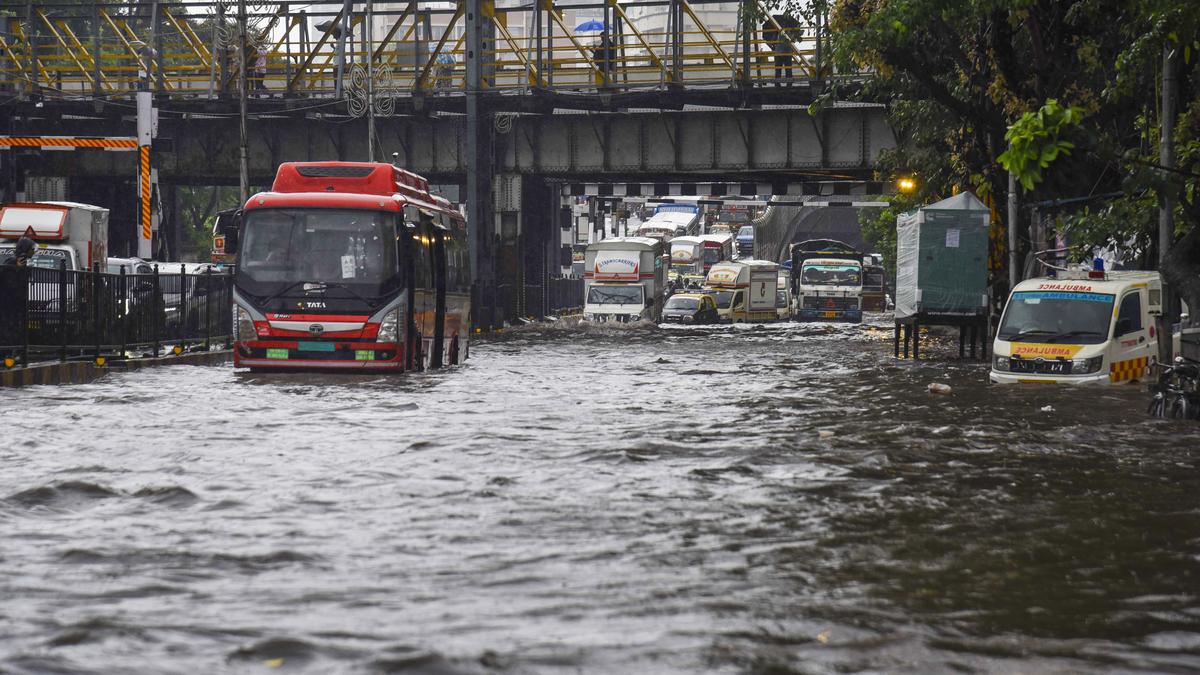
The recent heavy rainfall in Mumbai has once again exposed the city's vulnerability to waterlogging, despite significant investments in infrastructure designed to mitigate such problems. The Brihanmumbai Municipal Corporation (BMC), the city's civic body, has responded to the widespread flooding by imposing penalties on contractors responsible for operating pumping stations. These penalties, totaling ₹40 lakh, were levied against contractors at four key locations: Hindmata, Gandhi Market, Yellow Gate, and Chunabhatti. The rationale behind the penalties is that the contractors failed to adhere to the tender conditions, specifically regarding the setup and operation of pumping machinery at full capacity. This failure, according to BMC officials, directly contributed to the accumulation of water in low-lying areas, disrupting traffic and daily life for countless residents. The incident raises serious questions about the efficacy of the city's disaster preparedness and the accountability of contractors tasked with maintaining essential infrastructure.
The BMC's decision to penalize the contractors is a direct response to the widespread disruption caused by the heavy rains. The article highlights that Mumbai experienced record rainfall in May, with some areas receiving as much as 250 mm of rainfall on May 26th. While the BMC maintains that its systems were functioning, the persistence of waterlogging in known vulnerable areas like Hindmata, Gandhi Market, Yellow Gate, and Chunabhatti suggests systemic failures. The core issue appears to be the inadequate operation of the pumping stations. BMC officials stated that the drainage systems were not operating at sufficient capacity to drain rainwater effectively. This led to significant traffic disruptions, particularly in areas such as Hindmata, Gandhi Market, and the Masjid Suburban Railway Station premises. Even in Chunabhatti, where the rainfall was reportedly less severe, the pumps were not operating at full capacity, indicating a broader issue of operational negligence or equipment malfunction. The fines imposed on the contractors are intended to serve as a deterrent and to ensure greater accountability in the future.
The situation is further complicated by the fact that the BMC had previously declared Hindmata and Gandhi Market flood-free after the installation of high-power pumps in 2023. This declaration, now seemingly premature, has fueled criticism from both citizens and opposition parties. The first monsoon rain of the season has exposed the inadequacy of the existing infrastructure and the potential for misleading claims of preparedness. The waterlogging situation undermines public confidence in the BMC's ability to effectively manage monsoon-related challenges. This incident serves as a stark reminder that infrastructure projects alone are not sufficient to guarantee flood protection. Regular maintenance, diligent operation, and robust monitoring are essential to ensure that these systems function as intended. The failure of the pumping stations highlights the importance of holding contractors accountable for their contractual obligations and ensuring that they have the necessary resources and expertise to operate and maintain critical infrastructure.
The implications of this incident extend beyond immediate traffic disruptions and inconvenience to residents. Waterlogging can have serious consequences for public health, infrastructure integrity, and economic activity. Stagnant water can become a breeding ground for disease-carrying mosquitoes, increasing the risk of outbreaks of dengue fever, malaria, and other waterborne illnesses. Prolonged exposure to water can also damage roads, buildings, and other infrastructure, leading to costly repairs and potential safety hazards. Moreover, traffic disruptions and business closures can have a significant impact on the local economy, particularly for small businesses and daily wage earners. Therefore, effective flood management is crucial not only for the convenience of residents but also for the overall well-being and prosperity of the city.
The BMC's response to the waterlogging situation raises several important questions about its approach to disaster preparedness and infrastructure management. First, there is the question of contractor oversight. Were the contractors adequately supervised and monitored to ensure that they were fulfilling their contractual obligations? Were there any early warning signs that the pumping stations were not operating at full capacity? If so, why were these issues not addressed before the heavy rains arrived? Second, there is the issue of system redundancy. Were there backup systems in place to ensure that pumping stations could continue to operate even in the event of equipment failure or other unforeseen circumstances? The lack of redundancy can significantly increase the risk of waterlogging in critical areas. Third, there is the question of communication and coordination. Were there clear lines of communication between the BMC, the contractors, and other relevant agencies to ensure a coordinated response to the heavy rains? Effective communication is essential for quickly identifying and addressing problems as they arise.
The challenges faced by Mumbai in managing monsoon-related flooding are not unique. Many other cities around the world, particularly those in coastal areas or with inadequate drainage systems, face similar challenges. Climate change is exacerbating these challenges by increasing the frequency and intensity of extreme weather events, including heavy rainfall. Therefore, it is essential for cities to invest in robust flood management strategies that are tailored to their specific needs and circumstances. These strategies should include a combination of infrastructure improvements, such as improved drainage systems and pumping stations, as well as non-structural measures, such as land use planning and early warning systems. It is also crucial to engage communities in the development and implementation of these strategies to ensure that they are effective and sustainable. By learning from the experiences of other cities and adopting a holistic approach to flood management, Mumbai can better protect its residents and infrastructure from the devastating impacts of heavy rainfall.
Looking ahead, the BMC needs to take a proactive approach to address the underlying issues that contributed to the recent waterlogging situation. This includes conducting a thorough review of its contracting procedures to ensure that contractors are qualified and capable of fulfilling their obligations. It also includes strengthening its oversight and monitoring mechanisms to ensure that contractors are held accountable for their performance. Furthermore, the BMC needs to invest in regular maintenance and upgrades of its drainage systems and pumping stations to ensure that they are operating at peak efficiency. This includes implementing preventive maintenance programs and conducting regular inspections to identify and address potential problems before they become major issues. In addition, the BMC needs to improve its communication and coordination with other relevant agencies to ensure a coordinated response to future heavy rainfall events.
The long-term solution to Mumbai's flooding problems requires a more comprehensive and integrated approach to urban planning and development. This includes implementing stricter regulations on construction in low-lying areas, promoting sustainable urban drainage systems, and investing in green infrastructure, such as parks and green roofs, to absorb rainwater and reduce runoff. It also includes educating the public about the risks of flooding and promoting responsible behavior, such as avoiding dumping trash in drains and reporting clogged drains to the authorities. By adopting a holistic and sustainable approach to urban planning and development, Mumbai can create a more resilient and livable city that is better prepared to cope with the challenges of climate change and extreme weather events. The incident with the contractors serves as a reminder that neglecting even seemingly minor aspects of infrastructure maintenance and operation can have significant consequences for the entire city. The focus should be on building a robust and resilient system that can withstand the pressures of heavy rainfall and protect the lives and livelihoods of Mumbai's residents.
In conclusion, the recent waterlogging in Mumbai and the subsequent penalties imposed on contractors highlight the critical importance of effective infrastructure management and disaster preparedness. The failure of the pumping stations to operate at full capacity exposed the city's vulnerability to flooding, despite previous claims of improved infrastructure. The BMC must take decisive action to address the underlying issues that contributed to this situation, including strengthening contractor oversight, investing in regular maintenance and upgrades, and improving communication and coordination. A more comprehensive and integrated approach to urban planning and development is also needed to create a more resilient and sustainable city that is better prepared to cope with the challenges of climate change and extreme weather events. The lessons learned from this incident should serve as a catalyst for positive change and a renewed commitment to protecting the lives and livelihoods of Mumbai's residents. This includes a focus on preventing future incidents, not just reacting to them after they occur. This proactive approach should involve continuous monitoring, risk assessment, and adaptation strategies to address the ever-evolving challenges posed by climate change and urbanization.
The issue also underscores the importance of transparency and public accountability in infrastructure projects. Citizens have a right to know how their tax money is being spent and whether these projects are delivering the intended benefits. The BMC should provide regular updates to the public on the progress of infrastructure projects, including the challenges faced and the steps being taken to address them. It should also be transparent about the performance of contractors and the measures taken to hold them accountable for their failures. By fostering greater transparency and public accountability, the BMC can build trust with its citizens and encourage greater participation in the decision-making process. This collaborative approach will be essential for creating a more resilient and sustainable city that meets the needs of all its residents. The current situation serves as a wake-up call, urging a re-evaluation of existing practices and a commitment to building a more robust and responsive infrastructure system.
Source: Mumbai rains: BMC imposes penalty on contractors for failure to operate pumping stations