
 |
|
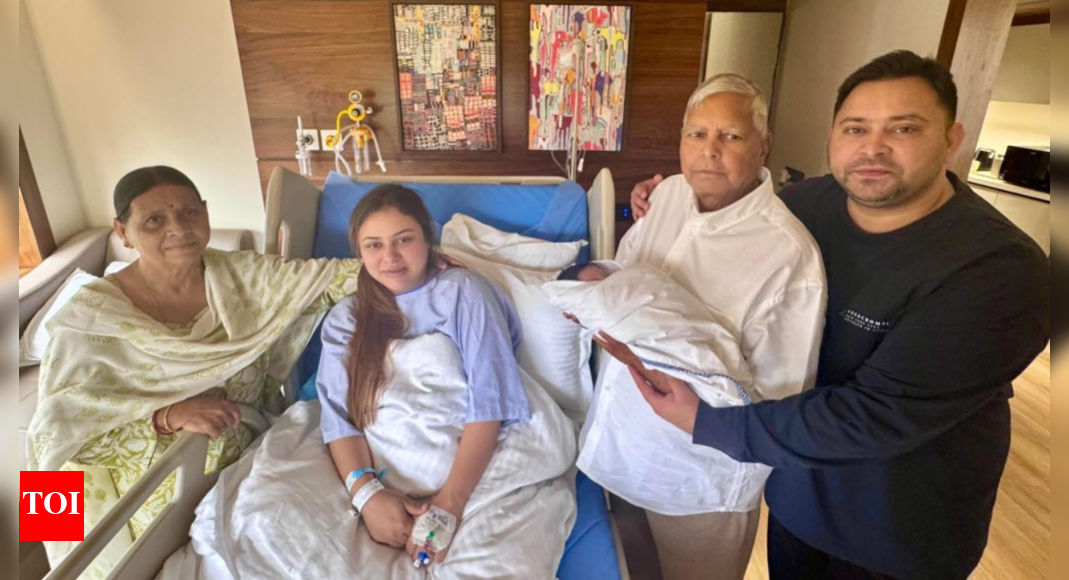
The naming of a child, especially within a prominent political family, often transcends the personal and enters the realm of public interest. In the case of Lalu Prasad Yadav naming his grandson Iraj Lalu Yadav, the event becomes intertwined with family legacy, religious symbolism, and political dynamics. The announcement itself, made via social media, highlights the modern ways in which political figures communicate with the public, bypassing traditional media outlets to control the narrative and connect directly with their followers. The name Iraj Lalu Yadav is significant on multiple levels. First, it explicitly links the child to the Yadav family lineage, reinforcing the importance of family ties in Indian politics. The inclusion of ‘Lalu’ in the name serves as a constant reminder of the patriarch’s influence and enduring legacy within the family and the Rashtriya Janata Dal (RJD). Second, the choice of the name Iraj, coupled with the timing of the birth on Hanuman's day, infuses the event with religious symbolism. Lalu Prasad's explanation of the name's connection to Bajrang Bali Hanuman ji's Mangal day attempts to garner support and positive sentiment from religious followers, particularly those who revere Hanuman. This strategy is a common tactic in Indian politics, where religious identity and symbolism often play a significant role in shaping public opinion and electoral outcomes. The mention of the granddaughter Katyayani's birth during Navratri further emphasizes the family's connection to Hindu traditions. The fact that the newborn was delivered in Kolkata adds another layer of complexity. Mamata Banerjee, the Chief Minister of West Bengal, visited the hospital to bless the baby, referring to herself as a “local guardian” for the Yadav couple. This gesture underscores the political relationship between Banerjee and Tejashwi Yadav, suggesting a potential alliance or understanding between their respective political parties. Banerjee’s comment that the baby brings good fortune, especially with elections on the horizon, further highlights the political implications of the birth. It implies that the child’s arrival could be a positive omen for Tejashwi Yadav and his party, potentially boosting their electoral prospects. However, the article also acknowledges the turbulent times within the Yadav household, stemming from the fallout between Lalu Prasad and his elder son, Tej Pratap Yadav. Tej Pratap’s expulsion from the party and public disownment by his father cast a shadow over the joyous occasion, highlighting the internal conflicts and power struggles within the family. Despite the estrangement, Tej Pratap’s well wishes for his younger brother and sister-in-law suggest a semblance of reconciliation or at least a public display of unity. The fact that other political leaders, including Bihar Chief Minister Nitish Kumar, extended their congratulations indicates the widespread interest and attention surrounding the event. Nitish Kumar's well wishes, despite his political differences with Tejashwi Yadav, exemplify the norms of political decorum and the recognition of personal milestones even amidst political rivalries. The birth of Iraj Lalu Yadav occurs within a broader political context marked by shifting alliances, electoral preparations, and internal family dynamics. The naming of the child is not merely a personal event but a carefully orchestrated public relations exercise aimed at strengthening the Yadav family's political standing and appealing to various segments of the electorate. The religious symbolism, family lineage, and political connections all contribute to the significance of the event in the Indian political landscape.
The significance of the name 'Iraj' itself can be explored further. While the article briefly mentions its connection to the day of Hanuman, a deeper understanding of the name's origin and potential meanings could provide additional insights into the Yadav family's intentions. Researching the etymology and historical usage of the name 'Iraj' may reveal cultural or religious connotations that are not immediately apparent. For example, does the name have roots in Sanskrit or other ancient Indian languages? Does it have any associations with mythology, literature, or historical figures? Understanding the nuances of the name could shed light on the Yadav family's aspirations for their grandson and the values they hope to instill in him. Furthermore, the article mentions that Tejashwi Yadav shared the news with a touch of devotion, using the phrase 'Jai Hanuman!' This invocation of Lord Hanuman further reinforces the religious undertones of the event and highlights the importance of religious identity in Indian politics. Analyzing the use of religious slogans and symbols in political discourse can reveal how politicians attempt to connect with voters on a spiritual level and mobilize support based on shared religious beliefs. It is also worth noting that the article mentions Rajshree's presence in Kolkata throughout her pregnancy. This detail suggests that the Yadav family may have chosen Kolkata as the location for the birth for specific reasons, such as access to better healthcare facilities or a desire to be closer to Mamata Banerjee. Exploring the potential motivations behind this decision could provide further insights into the Yadav family's priorities and their relationship with the West Bengal Chief Minister. The article also highlights the contrast between the joyous occasion of the child's birth and the ongoing family conflicts, particularly the estrangement between Lalu Prasad and Tej Pratap Yadav. This juxtaposition underscores the complexities of family dynamics in the context of political power and highlights the challenges of balancing personal relationships with political ambitions. Analyzing the impact of these internal conflicts on the Yadav family's political standing and the potential for reconciliation could provide valuable insights into the dynamics of Indian politics. In addition to the political implications, the birth of Iraj Lalu Yadav also has social and cultural significance. The event reflects the importance of family and lineage in Indian society, particularly within prominent political families. The naming ceremony and the outpouring of well wishes from political leaders and the public demonstrate the enduring cultural traditions and values that shape Indian society. Analyzing the social and cultural dimensions of the event can provide a broader understanding of the context in which Indian politics operates.
Moreover, the media coverage of the event plays a crucial role in shaping public perception and influencing political narratives. The article itself is an example of how news outlets frame the event, highlighting certain aspects while downplaying others. Analyzing the tone, language, and focus of different news reports can reveal the biases and perspectives that influence media coverage of Indian politics. For example, some news outlets may focus on the religious symbolism of the event, while others may emphasize the political implications or the family conflicts. Comparing and contrasting different media reports can provide a more nuanced understanding of the event and its significance. The use of social media by Lalu Prasad Yadav and Tejashwi Yadav to announce the birth and name of their grandson is also noteworthy. Social media platforms have become increasingly important tools for political communication and mobilization in India. Analyzing the content of their social media posts, the responses they receive, and the overall impact of their online presence can provide insights into their strategies for engaging with voters and shaping public opinion. Furthermore, the reactions of other political leaders and parties to the birth of Iraj Lalu Yadav can provide valuable clues about the political landscape and the relationships between different political actors. Analyzing the statements and gestures of political leaders can reveal their strategic calculations and their attempts to position themselves in relation to the Yadav family and the RJD. For example, the tone and content of Nitish Kumar's well wishes may indicate his desire to maintain cordial relations with Tejashwi Yadav despite their political differences. The overall significance of the birth of Iraj Lalu Yadav lies in its intersection of family, religion, and politics. The event is not merely a personal milestone but a carefully managed public relations exercise that reflects the complexities of Indian politics and the enduring importance of family and tradition in Indian society. By analyzing the various dimensions of the event, including the religious symbolism, family lineage, political connections, media coverage, and social media engagement, we can gain a deeper understanding of the forces that shape Indian politics and the ways in which political leaders navigate the complex terrain of power and influence. The event serves as a microcosm of the larger political landscape, reflecting the interplay of personal relationships, religious beliefs, and political ambitions that define Indian society.