
) |
|
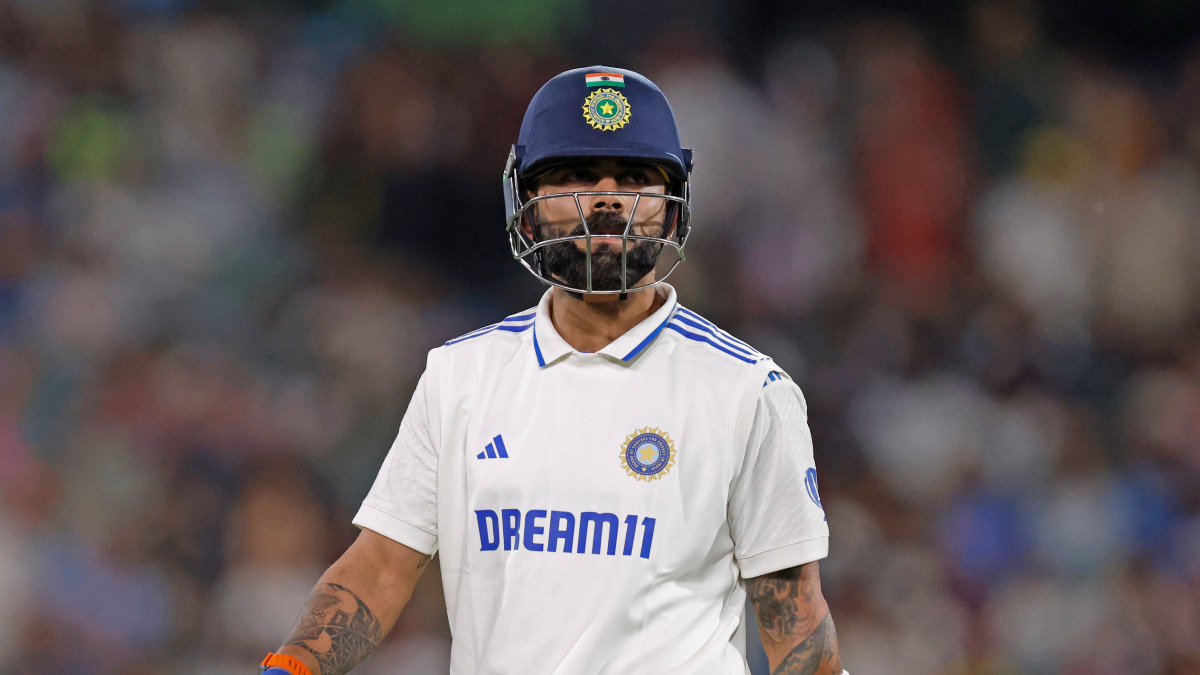
The sudden retirement of Virat Kohli from Test cricket sent ripples of shock and surprise throughout the cricketing fraternity. While the announcement itself was delivered via Kohli's social media channels, the circumstances surrounding the decision, as revealed by a recent report, paint a more nuanced picture of the events leading up to this momentous occasion. The report suggests that Kohli's choice was not a spur-of-the-moment reaction, but rather the culmination of deliberations that involved a close confidante and potential logistical roadblocks. The core of the report centers around the idea that Kohli had already contemplated retiring from Test cricket, a decision seemingly solidified after a less-than-satisfactory Border-Gavaskar Trophy series against Australia, where he returned to play a Ranji Trophy match in an attempt to rediscover his form and rhythm. The surprising element, however, lies in the revelation that Kohli’s announcement may have been expedited due to unforeseen circumstances, specifically the potential cancellation of crucial meetings with key officials from the Board of Control for Cricket in India (BCCI). According to the report, these meetings, potentially with former BCCI secretary Jay Shah and current vice-president Rajeev Shukla, were intended to take place before Kohli officially announced his retirement. These discussions could have potentially influenced the timing of the announcement, or perhaps even offered alternative perspectives that might have swayed Kohli's ultimate decision. However, the article posits that rising military tensions between India and Pakistan may have inadvertently contributed to the postponement or cancellation of these meetings, thereby removing a crucial avenue for dialogue and consultation. This created a situation where Kohli, having already made up his mind, felt compelled to proceed with the announcement, as further delays would only prolong the uncertainty and speculation surrounding his future in Test cricket. This speculation was fueled, in part, by the anticipation surrounding Kohli's participation in the upcoming five-match series against England, a tour that many believed would be a defining chapter in his Test career. This belief was further amplified by Kohli's participation in the Ranji Trophy, which was widely interpreted as a sign of his commitment to the longer format of the game. The report also highlights the pivotal role played by Ravi Shastri, the former head coach of the Indian cricket team, in Kohli's decision-making process. Shastri, described as Kohli's 'friend, philosopher, guide, and mentor,' reportedly engaged in a lengthy conversation with Kohli before the latter made the final call. This underscores the significance of personal relationships and trusted counsel in the lives of even the most accomplished athletes, particularly when faced with career-defining decisions. The report suggests that Shastri's perspective, honed through years of experience in the cricketing world and a deep understanding of Kohli's personality and ambitions, played a crucial role in solidifying Kohli's resolve. It's also noteworthy to consider the broader context within which Kohli's retirement occurred. In recent years, the demands on international cricketers have intensified significantly, with packed schedules and relentless travel taking a toll on both physical and mental well-being. Kohli, who has consistently strived for excellence across all formats of the game, may have reached a point where he felt the need to prioritize his physical and mental health, and to dedicate more time and energy to other aspects of his life. Furthermore, the rise of T20 cricket, with its lucrative opportunities and shorter duration, has undoubtedly influenced the career paths of many modern cricketers. While Kohli remains committed to playing in the Indian Premier League (IPL), his decision to step away from Test cricket could be interpreted as a strategic move to prolong his overall career and to maintain his peak performance levels in the formats that he continues to prioritize. The article concludes by noting that Kohli's next appearance will be in the IPL 2025 match between Royal Challengers Bengaluru (RCB) and Kolkata Knight Riders (KKR), marking his first cricket appearance since announcing his Test retirement. This highlights the immediate shift in focus from the traditional format to the fast-paced world of T20 cricket, further underscoring the evolving landscape of the sport. The sudden retirement of Virat Kohli from Test cricket, while initially shocking, can be seen as a complex decision shaped by a confluence of factors, including performance considerations, personal relationships, logistical constraints, and the broader demands of the modern game.
The absence of direct engagement with the BCCI officials, as suggested by the report, adds another layer of complexity to the narrative. The scheduled meetings with Jay Shah and Rajeev Shukla were potentially intended to provide Kohli with a platform to discuss his future plans, to receive feedback from key stakeholders, and to explore potential alternative scenarios. The postponement or cancellation of these meetings, purportedly due to the escalation of military tensions between India and Pakistan, raises questions about the role of external events in shaping individual career decisions. While the specific details of what would have been discussed in these meetings remain unknown, it is reasonable to assume that they would have involved a comprehensive assessment of Kohli's performance, his long-term goals, and the overall strategy for the Indian Test team. The absence of these discussions may have left Kohli feeling isolated and less connected to the decision-making process, potentially reinforcing his inclination to proceed with his retirement plans. The fact that Kohli consulted Ravi Shastri before making the final call further highlights the importance of personal relationships in navigating complex career choices. Shastri, having worked closely with Kohli for several years, possessed a unique understanding of his strengths, weaknesses, and aspirations. His advice, based on a combination of cricketing expertise and personal rapport, likely provided Kohli with valuable insights and emotional support. The report's emphasis on the 'friend, philosopher, guide, and mentor' aspect of their relationship underscores the significance of trusted confidantes in the lives of high-achieving individuals. The decision to retire from Test cricket is a monumental one for any player, particularly for someone of Kohli's stature and influence. It represents a significant shift in priorities and a recognition of the need to adapt to the evolving demands of the sport. While the reasons behind Kohli's decision may be multifaceted, the report's focus on the postponed BCCI meetings and the consultation with Ravi Shastri provides valuable insights into the factors that may have contributed to the timing of the announcement. This is not to suggest that these factors were the sole determinants of Kohli's decision, but rather that they played a significant role in shaping the circumstances surrounding his retirement. The report's findings also raise broader questions about the role of communication and transparency in sports governance. The fact that Kohli was unable to have direct conversations with key BCCI officials before making his decision highlights the potential for miscommunication and misunderstandings to arise. In an ideal scenario, there would be clear channels of communication between players and administrators, allowing for open dialogue and informed decision-making. The absence of such channels can lead to feelings of frustration and isolation, potentially impacting individual performance and team morale. The emphasis on external factors, such as military tensions, also underscores the interconnectedness of sport and society. Events that occur outside the realm of cricket can have a significant impact on the lives and careers of athletes. This highlights the need for sports organizations to be sensitive to the broader social and political context, and to provide support and resources to athletes who may be affected by these events.
The ripple effects of Kohli's retirement are already being felt throughout the cricketing world. The Indian Test team, which has benefited immensely from his leadership and batting prowess, now faces the challenge of filling the void left by his departure. While there are undoubtedly talented players waiting in the wings, replacing someone of Kohli's caliber will be a formidable task. The team will need to adapt its strategy and playing style to compensate for the loss of his experience and aggression. Furthermore, Kohli's retirement raises questions about the future of Test cricket itself. In an era dominated by T20 leagues and limited-overs formats, the longer format of the game is facing increasing challenges in terms of attracting audiences and generating revenue. The departure of a high-profile player like Kohli could further exacerbate these challenges. It is imperative that cricket administrators and stakeholders work together to ensure the long-term viability of Test cricket, by addressing issues such as scheduling conflicts, player workload, and financial incentives. The report's focus on Kohli's upcoming appearance in the IPL also highlights the growing importance of franchise cricket in the modern game. The IPL, with its global reach and lucrative opportunities, has become a major draw for players from all over the world. While Kohli remains committed to representing India in other formats of the game, his decision to prioritize the IPL suggests that he recognizes the value of franchise cricket as a means of prolonging his career and maximizing his earning potential. This trend is likely to continue in the future, as more and more players are drawn to the financial security and global exposure offered by franchise leagues. The overall narrative surrounding Kohli's retirement is one of change and transition. The departure of a cricketing icon marks the end of an era, but it also creates opportunities for new talent to emerge and for the game to evolve. The report's emphasis on the various factors that contributed to Kohli's decision provides valuable insights into the complex dynamics of the modern sporting landscape. As cricket continues to evolve, it is important to learn from these experiences and to create a sustainable and equitable environment for players and administrators alike. In conclusion, the report's analysis of the circumstances surrounding Virat Kohli's retirement from Test cricket reveals a multifaceted narrative that encompasses performance considerations, personal relationships, logistical constraints, and the broader demands of the modern game. The absence of direct engagement with BCCI officials, the consultation with Ravi Shastri, and the influence of external events all played a significant role in shaping the timing of the announcement. As cricket continues to evolve, it is imperative to learn from these experiences and to create a sustainable and equitable environment for players and administrators alike. The legacy of Virat Kohli will undoubtedly endure, and his contribution to Indian cricket will be remembered for generations to come.
Source: Why Virat Kohli retired from Test cricket without meeting BCCI officials; new report reveals