
 |
|
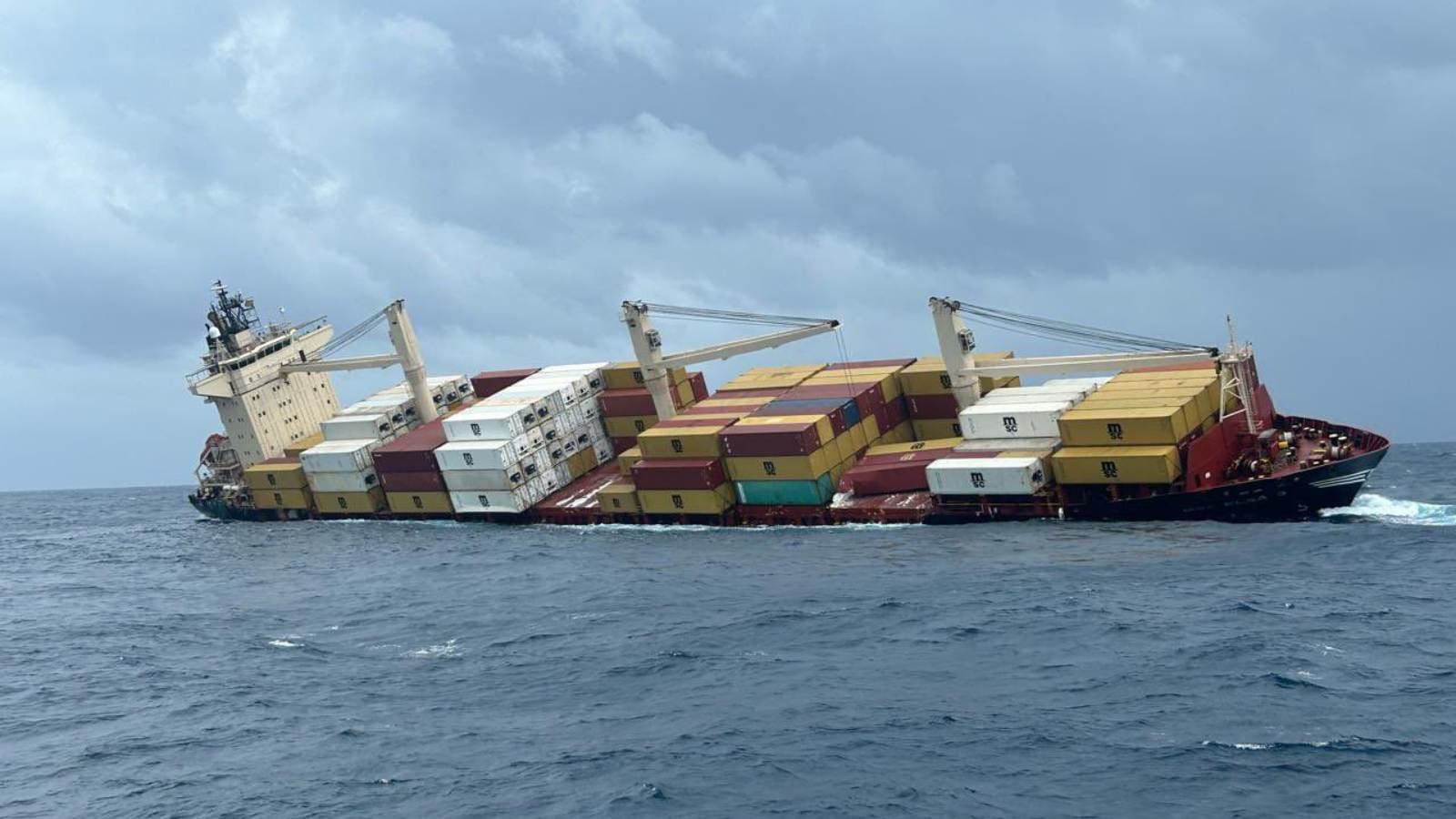
The sinking of the MSC Elsa 3 container ship off the coast of Kerala has raised serious concerns about a potential oil spill and its devastating impact on the marine environment. Experts are warning that the monsoon season will significantly complicate onshore cleanup efforts, emphasizing the need for immediate offshore containment measures. The incident highlights the vulnerability of coastal ecosystems to shipping accidents and the urgent need for effective oil spill response strategies. The article details the immediate actions being taken by the Indian Navy, Coast Guard, and teams of scientists from the Central Marine Fisheries Research Institute (CMFRI), who are collecting water and sediment samples to assess the extent of the pollution and its potential consequences. Deepak Apte, a leading marine biologist, underscores the importance of offshore containment using booms, sprays, and bioremediation, drawing on his experience examining the 2010 oil spill caused by the collision between MSC Chitra and MV Khalijia III. This earlier incident, which released over 800 tons of oil into the sea, serves as a stark reminder of the long-term damage that oil spills can inflict on marine life and coastal habitats. The current situation is further complicated by the monsoon season, which brings strong currents and tides that make onshore cleanup difficult. Apte warns that oil deposited in mangroves and mudflats is particularly challenging to remove. The potential impact on migratory birds, sea turtles, and other vulnerable species is also a major concern, especially if the spill is large. Grinson George, Director of CMFRI, acknowledges that containment efforts may be insufficient if the spill is extensive, emphasizing the likely short-term impacts on small-scale fishermen and the threat to marine species and pelagic fish breeding. The CMFRI teams are focusing on Alappuzha, Ernakulam, and Kollam, collecting samples to analyze oil and grease content and identify chemical constituents. A research vessel will also be used for sampling when sea conditions permit. Sreenath K R, Director General of the Fishery Survey of India, points out that the fuel spill could negatively affect both benthic and pelagic ecosystems, particularly during the breeding season when juveniles and larvae are vulnerable. He also raises concerns about the potential impact on coral reefs if the oil slick spreads southward. While no oil slick has been observed near the coastline yet, there are fears that fuel may have leaked from the sunken ship. Containers from the ship have already begun to wash ashore, carrying hazardous cargo and substantial quantities of diesel and furnace oil. The accident underscores the need for stringent regulations and monitoring of maritime traffic to prevent future oil spills and protect the marine environment.
The potential ecological consequences of this oil spill are multifaceted and far-reaching. The immediate impact will likely be on marine organisms that come into direct contact with the oil. Fish, seabirds, and marine mammals can be suffocated or poisoned by the oil. Oil can also disrupt the feeding and reproductive cycles of these animals. The long-term effects can be even more insidious. Oil can persist in the environment for years, contaminating sediments and affecting the food chain. Mangrove forests, which are vital nurseries for many marine species, are particularly vulnerable to oil spills. Oil can kill mangrove trees, leading to the loss of habitat and the decline of fish populations. Coral reefs, which are among the most biodiverse ecosystems on the planet, are also at risk. Oil can smother corals, blocking sunlight and interfering with their ability to feed. The economic impacts of an oil spill can be significant as well. Fisheries can be closed, tourism can decline, and cleanup costs can be substantial. The spill could devastate the livelihoods of local fishermen and harm the tourism industry, which is a major source of income for many coastal communities. The long-term effects on the ecosystem could also lead to a decline in fish populations, which could have a ripple effect throughout the food chain. Furthermore, the cleanup efforts themselves can have negative environmental consequences. The use of dispersants, for example, can break up the oil into smaller droplets, but these droplets can be more toxic to marine organisms. The removal of contaminated sediments can also disrupt the ecosystem. The need to balance the immediate cleanup efforts with the long-term health of the environment is critical.
The response to the oil spill requires a coordinated effort involving government agencies, scientists, and local communities. The first priority is to contain the spill and prevent it from spreading further. This involves deploying booms to encircle the spill and using skimmers to remove the oil from the water's surface. Dispersants may also be used, but their use should be carefully considered due to their potential toxicity. At the same time, scientists need to be monitoring the spill and assessing its impact on the environment. This involves collecting water and sediment samples, tracking the movement of the oil slick, and monitoring the health of marine organisms. Local communities need to be involved in the cleanup efforts as well. They can help to identify sensitive areas and monitor the impact of the spill on local ecosystems. They can also participate in cleanup activities, such as removing oil from beaches and mangroves. In the aftermath of the spill, it is important to develop a long-term monitoring plan to track the recovery of the ecosystem. This plan should include regular surveys of fish populations, mangrove forests, and coral reefs. It should also include measures to prevent future oil spills, such as stricter regulations on maritime traffic and improved oil spill response capabilities. The MSC Elsa 3 incident serves as a wake-up call, highlighting the need for greater vigilance and preparedness to prevent and respond to oil spills. The ecological and economic costs of such incidents are immense, and it is essential to take proactive measures to protect coastal environments from these threats. This includes investing in research and development of new oil spill cleanup technologies, strengthening international cooperation on maritime safety and environmental protection, and promoting sustainable shipping practices. Only through a comprehensive and coordinated approach can we effectively mitigate the risks posed by oil spills and safeguard the health of our oceans and coastal communities.