
 |
|
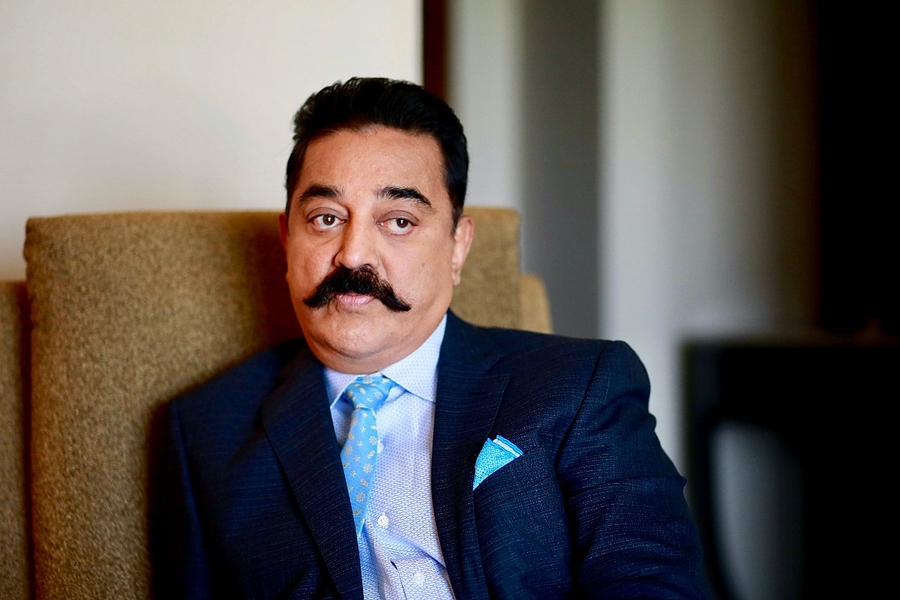
The political landscape of Tamil Nadu is once again witnessing a significant shift as actor-turned-politician Kamal Haasan is poised to enter the Rajya Sabha. This development comes as a result of the Dravida Munnetra Kazhagam’s (DMK) decision to allocate one of its Rajya Sabha seats to Haasan's Makkal Needhi Maiam (MNM) party. This strategic move is deeply rooted in the electoral alliance between the two parties, known as the Secular Progressive Alliance (SPA). The alliance, forged ahead of the Lok Sabha elections, has now translated into a concrete political gain for Haasan, who has long expressed his desire to serve in the Upper House of the Indian Parliament. The decision underscores the DMK's commitment to its coalition partners and highlights the importance of alliances in the complex tapestry of Indian politics. By offering a Rajya Sabha seat to Haasan, the DMK not only strengthens its alliance but also brings a prominent figure into the national political arena, potentially amplifying the voice of Tamil Nadu and the MNM's ideologies at the national level. This move can be seen as a calculated effort to consolidate power and expand influence, ensuring that the DMK-led alliance remains a formidable force in Tamil Nadu and beyond. The Rajya Sabha, being a crucial legislative body, provides a platform for Haasan to advocate for policy changes, raise pertinent issues, and contribute to national debates, thereby furthering the goals and objectives of the MNM and its alliance with the DMK.
The DMK's announcement regarding the Rajya Sabha elections reveals further strategic considerations. The party has declared its intention to contest four out of the six Rajya Sabha seats that are up for election from Tamil Nadu in the upcoming biennial polls scheduled for June 19th. This decision signifies the DMK's confidence in its ability to secure a majority of these seats, leveraging its dominant position in the Tamil Nadu Assembly. The renomination of P Wilson, a current Rajya Sabha MP and senior advocate, indicates the DMK's appreciation for experienced and capable representatives. Wilson's legal expertise and understanding of parliamentary procedures make him a valuable asset to the party in the Rajya Sabha. Additionally, the nomination of SR Sivalingam, a party leader from Salem, and Ruqayya Malik, also known as Kavignar Salma, a poet, writer, and party office-bearer, demonstrates the DMK's commitment to representing diverse segments of society. Sivalingam's grassroots experience as a party leader from Salem provides a connection to local communities, while Malik's background as a poet and writer brings a unique perspective to the political discourse. These nominations reflect the DMK's inclusive approach to politics, ensuring that various voices and perspectives are represented in the Rajya Sabha. The strategic selection of candidates underscores the DMK's broader vision of strengthening its political base and consolidating its influence in Tamil Nadu and at the national level.
Kamal Haasan's path to the Rajya Sabha was solidified when his party formally joined the DMK-led Secular Progressive Alliance (SPA) in March 2024, prior to the Lok Sabha elections. Although Haasan opted not to contest in the Lok Sabha polls himself, his ambition to secure a seat in the Upper House remained steadfast. This decision reflected a strategic calculation, recognizing that the Rajya Sabha would provide a more suitable platform for him to contribute to national policy and legislative processes. Haasan's request for a Rajya Sabha seat was subsequently endorsed by DMK president M.K. Stalin, further cementing the alliance and demonstrating the mutual respect and understanding between the two leaders. Stalin's endorsement highlights the importance of Haasan's role in the alliance and underscores the DMK's commitment to supporting its partners. This decision not only benefits Haasan and the MNM but also strengthens the overall cohesiveness and effectiveness of the SPA. By accommodating Haasan's aspirations, the DMK reinforces the alliance's foundation of trust and collaboration, ensuring that the SPA remains a formidable political force in Tamil Nadu.
The upcoming Rajya Sabha elections are particularly significant because six members representing Tamil Nadu are set to retire on July 24, 2025. Among those retiring are prominent figures such as Anbumani Ramadoss of the PMK and Vaiko of the MDMK. This turnover in representation presents an opportunity for both the DMK-led alliance and the opposition AIADMK to reshape the political landscape in the Rajya Sabha. The composition of the Rajya Sabha is crucial, as it directly influences the legislative agenda and the balance of power in the Parliament. The retirement of these influential members underscores the dynamic nature of Indian politics and the constant need for parties to adapt and strategize to maintain their relevance and influence. The upcoming elections will be a crucial test of the political strength and strategic acumen of both the DMK and the AIADMK.
The opposition AIADMK is anticipated to secure the remaining two Rajya Sabha seats, with support from its partners, including the BJP. This expectation reflects the established political dynamics in Tamil Nadu, where the AIADMK remains a significant force, particularly when aligned with national parties like the BJP. The AIADMK's ability to win these seats hinges on its strategic alliances and its capacity to mobilize its support base. The BJP's backing further enhances the AIADMK's chances, given the BJP's national presence and resources. The allocation of seats between the DMK-led alliance and the AIADMK-led coalition reflects the broader political competition in Tamil Nadu, where these two major political blocs have historically vied for power. The Rajya Sabha elections provide a key indicator of the relative strength and influence of these competing alliances.
The DMK-led alliance, which holds a comfortable majority in the 234-member Tamil Nadu Assembly, is expected to win four seats, while the main opposition AIADMK, with support from the BJP and the O Panneerselvam faction, is likely to secure the remaining two seats. This projection is based on the current composition of the Tamil Nadu Assembly, where the DMK and its allies command a significant advantage. The majority held by the DMK-led alliance ensures that it can effectively elect its candidates to the Rajya Sabha. The AIADMK's ability to secure the remaining seats underscores its continued relevance as a significant opposition force in Tamil Nadu. The support from the BJP and the O Panneerselvam faction further strengthens the AIADMK's position. The division of seats between the two major political blocs reflects the complex and competitive nature of Tamil Nadu politics.
According to a report by IndiaTV, the MNM’s central committee has already passed a resolution endorsing Haasan’s nomination, and his candidacy is expected to be formalised soon. This endorsement from the MNM's central committee underscores the party's full support for Haasan's Rajya Sabha bid. The formalization of his candidacy is anticipated to follow shortly, marking a significant milestone in Haasan's political career. The MNM's backing is crucial, as it demonstrates the party's unity and determination to see Haasan represent their interests in the Rajya Sabha. This development further solidifies Haasan's position as a key political figure in Tamil Nadu and at the national level. The upcoming formalization of his candidacy will undoubtedly generate significant media attention and further elevate Haasan's profile in the political arena.
The strategic alliance between the DMK and MNM, culminating in Kamal Haasan's likely entry into the Rajya Sabha, highlights the evolving dynamics of Tamil Nadu politics. This move signifies the DMK's willingness to collaborate with smaller parties to consolidate its power and expand its influence. Haasan's presence in the Rajya Sabha will provide a platform for the MNM to voice its concerns and advocate for its policies at the national level. This alliance could potentially reshape the political landscape of Tamil Nadu and influence future electoral outcomes. The broader implications of this development extend beyond Tamil Nadu, as it demonstrates the importance of alliances and strategic partnerships in Indian politics. The DMK's decision to support Haasan's Rajya Sabha bid underscores the value of collaboration and the potential for smaller parties to play a significant role in shaping the political discourse.
Furthermore, the allocation of Rajya Sabha seats reflects the intricate balance of power within the DMK-led alliance. By accommodating the MNM's aspirations, the DMK strengthens its relationship with a key ally and ensures the cohesiveness of the alliance. This strategic move also serves to counter the influence of the opposition AIADMK and its allies. The Rajya Sabha elections provide an opportunity for the DMK to solidify its dominant position in Tamil Nadu and further consolidate its power. The careful selection of candidates, representing diverse backgrounds and perspectives, underscores the DMK's commitment to inclusive governance and representation. The upcoming elections will be closely watched as a crucial indicator of the political strength and strategic acumen of both the DMK and the AIADMK.
In conclusion, Kamal Haasan's impending entry into the Rajya Sabha, facilitated by the DMK's strategic allocation of a seat, represents a significant development in Tamil Nadu politics. This move not only strengthens the alliance between the DMK and the MNM but also provides Haasan with a national platform to advocate for his party's policies and contribute to legislative debates. The upcoming Rajya Sabha elections will be a crucial test of the political strength and strategic alliances of both the DMK-led coalition and the opposition AIADMK. The outcome of these elections will undoubtedly shape the political landscape of Tamil Nadu and influence the balance of power in the Rajya Sabha. The strategic considerations underlying the allocation of seats, the selection of candidates, and the broader dynamics of political alliances underscore the complex and competitive nature of Indian politics. As Haasan prepares to embark on his Rajya Sabha journey, his contributions to national policy and his representation of Tamil Nadu's interests will be closely scrutinized. The alliance between the DMK and the MNM stands as a testament to the evolving nature of political partnerships and the potential for collaboration to reshape the political landscape.
Source: Tamil Nadu: Actor Turned Politician Kamal Haasan Poised For Rajya Sabha Entry Backed By DMK